
Asian Jumping Worms: An Underestimated Threat to Ecosystems
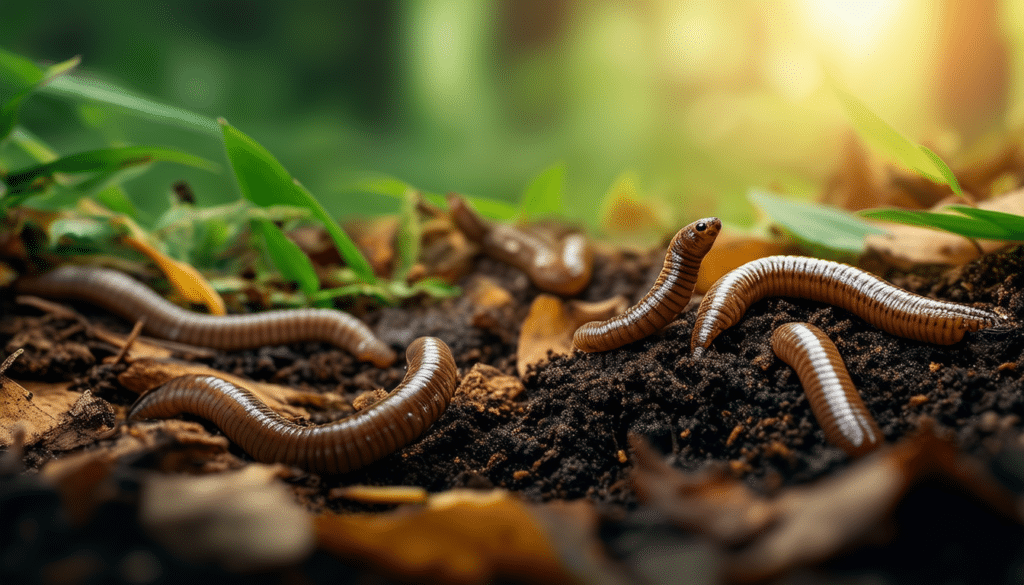
Imagine a quiet intruder, one that slithers beneath the soil’s surface, disrupting the very foundation of our ecosystems. This isn’t the plot of a new horror movie but a real environmental challenge posed by the Asian Jumping Worm. These voracious earth dwellers not only devour nutrients vital for forest regeneration but also challenge the survival of both understory and canopy-dwelling flora and fauna. Explore the stealthy invasion of these formidable foes and their marked impact on the landscapes we strive to protect.
Welcome to a detailed exploration of one of the most intriguing yet problematic inhabitants of North American soils—the Asian Jumping Worm (Amynthas agrestis). This species, introduced accidentally from Asia, has become a notable threat to local ecosystems, jeopardizing soil health and forest regeneration.
The Silent Invasion
Asian jumping worms, known for their vigorous movements reminiscent of snakes, were inadvertently imported most likely through contaminated plant materials in the 19th century. Their presence in North America has expanded disturbingly in recent years, challenging the ecological balance of the regions they invade. With their snake-like slithering and substantial leaps when disturbed, these worms are an unexpected force against the traditional calm of the underground world.
A Voracious Appetite Disrupting the Soil Structure
The primary concern regarding Asian jumping worms lies in their insatiable appetite for dead organic material found on forest floors. By rapidly consuming leaf litter and other organic debris, they strip the soil of crucial protective and nutritional layers. This rapid degradation prevents the typical slow decomposition process that enriches the soil, thereby depriving plants and other organisms of essential nutrients and habitat. The altered soil structure becomes granular and loose, resembling coffee grounds, which further impedes water retention and root stability.
Identifying the Asian Jumping Worm
Distinguishing these invaders from common earthworms is vital for managing their spread. Asian jumping worms have a smooth, pale clitellum (the band around the body of mature worms), as opposed to the swollen and darker clitellum seen in other earthworm species. Their characteristic vigorous thrashing and jumping when touched makes them notably distinct.
Implications for Ecosystems and Human Activity
The impact of these worms extends beyond just soil disruption; they threaten the very regeneration of forest canopies and understory species. Such ecological shifts pose long-term challenges for biodiversity and forest health. Additionally, their presence might affect gardening and agriculture, as the altered soil conditions can inhibit the growth of various plant species, potentially leading to significant agricultural losses.
Controlling and Managing the Threat
Limited natural predators and a high reproduction rate make controlling Asian jumping worms particularly challenging. Education and preventive strategies become crucial in managing their spread. Measures include monitoring soil and plant imports, enhancing public awareness of their ecological impact, and encouraging proper garden and green space maintenance to prevent unintentional worm transfer.
For more detailed information on similar cases and the risks posed by invasive species, visit our pages on invasive trees in Australian gardens and discovering dangerous toxins in neighborhoods.
The silent spread of Asian jumping worms across North America presents a critical and under-discussed danger to our forest ecosystems and agricultural landscapes. Known for their vigorous movement and destructive feeding habits, these worms rapidly consume the organic matter vital for soil health, thereby destabilizing the very foundation of forest ecosystems. The disappearance of leaf litter and topsoil not only affects the nutrient cycle but also threatens the survival of native plants and young seedlings, which rely heavily on this organic layer for sustenance and growth.
Moreover, the impact of these invasive worms extends beyond the forests and into our gardens and crop fields. By disrupting the soil structure, they create environments that are more susceptible to erosion, potentially leading to reduced agricultural yields and disrupted food supply chains. The quick spread of these worms, facilitated by their unique reproductive strategies, makes them particularly difficult to manage once established. Traditional pest control measures are often ineffective against them, adding another layer of complexity to their management.
This ecological invasion is not merely an environmental issue but a socio-economic one that could affect local communities dependent on agriculture and forestry. Without early detection and proper management techniques, the effects of this invasion could escalate, leading to more severe consequences for biodiversity and human well-being. It’s crucial for research and community awareness to focus on the solutions that could prevent the spread of these worms, ensuring the protection of our ecosystems for future generations.