
Caution: Invasive Tree Threatens Mobility in Australian Gardens
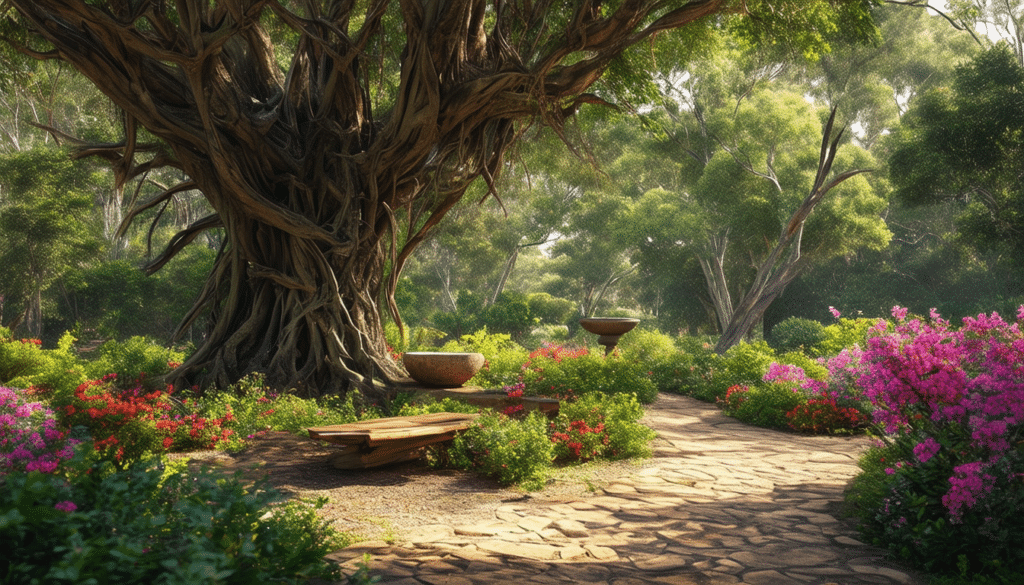
Picture a serene Australian garden, rich with lush greenery and vibrant blooms. Yet, lurking in the corners of these picturesque settings is a silent intruder—the invasive black locust tree. This seemingly “lovely” species is spreading across the country’s landscapes, disguising itself as a charming addition to gardens while concealing its true nature. Its rapid growth and ability to form dense thickets pose significant threats to both native plant habitats and the health of humans and animals alike. This tree’s toxic compounds and aggressive invasion not only disrupt ecological balance but can also lead to severe health issues, including nausea and even paralysis. With roots that tenaciously resist eradication, the need to address this botanical menace has become urgent. Australians are sounding the alarm as they strive to protect their cherished ecosystems from becoming inadvertent havens for this persistent foe.
Across Australia, a seemingly innocent yet perilous tree species is quietly infiltrating gardens with serious repercussions. Known as robinia or black locust, this invasive plant is more than just a botanical nuisance. Despite its aesthetic allure, robinia poses significant health risks to humans and animals and is challenging the delicate balance of native ecosystems. This article delves into the dangers posed by this invasive species and addresses the necessary steps to manage its spread and impact on Australian gardens.
Invader in Disguise: The Threat of Robinia
Robinia is a fascinating specimen, with its fragrant blooms and graceful foliage. Yet, beneath its appealing exterior lies a potent threat capable of overtaking and transforming native habitats. Known for its rapid propagation, robinia can quickly establish itself through seeds and underground suckers, forming dense thickets that disrupt native plant species. As it spreads, robinia’s presence can threaten local biodiversity, outcompeting indigenous flora for resources and altering the natural landscape.
Health Hazards: When Beauty Turns Deadly
While robinia may seem benign, the truth is its toxicity poses severe risks. The plant, particularly its bark, leaves, and seeds, contains harmful compounds that can adversely affect animals and humans. Ingestion can lead to symptoms such as nausea, vomiting, and in severe instances, paralysis. Those living with pets or young children should remain vigilant. Its potential to cause harm makes it imperative for Australian homeowners to identify and address its presence promptly.
Battle for Control: The Challenge of Eradication
Eradicating robinia is no simple task. Gardeners face the conundrum of controlling a plant that’s notoriously resistant to conventional removal methods. Its strong root system allows it to regenerate rapidly even post-treatment. Chemical interventions often become necessary, sometimes requiring repeated applications to fully curb its influence. Experts emphasize the importance of acting swiftly and thoroughly to prevent robinia from establishing a permanent foothold.
Chemical Treatments and Long-Term Solutions
Because of robinia’s resilience, chemical methods are often the go-to for those struggling with its removal. However, even after treatment, remnants of the plant may linger, waiting to resurge. Hence, sustaining control over robinia can be a prolonged endeavor, with some gardeners resorting to concentrated glyphosate to manage its spread. Understanding and applying the appropriate treatments is crucial for anyone dealing with this persistent species. For inspiration on handling invasive plants, discover how others navigate dangerous toxins in their gardens.
Ripple Effects: Ecological and Environmental Implications
Beyond individual gardens, robinia’s spread carries broader environmental consequences. By altering soil composition with added nitrogen, it can impact native species adapted to Australia’s unique ecosystem. The loss of native flora and fauna not only changes the visual landscape but threatens local wildlife that relies on indigenous plants for survival. Awareness and action among Australians can help mitigate these ecological implications.
Community Efforts: A Joint Offensive
Combating the spread of robinia is not a task for individual gardeners alone. Community-wide efforts and education are pivotal. Australians are increasingly urged to avoid planting black locust trees and similar invasive species. Garden programs and lifestyle resources are encouraged to incorporate warnings regarding plant choices. By fostering a collective conscious about the invasive tree species, like robinia, communities can work towards sustainable garden spaces.
A Bright Side: Gardening with Intent
While managing invasive species can be challenging, such situations offer gardeners the opportunity to cultivate landscapes with intention. By choosing native plants and understanding the dynamics of invasive species, gardens can be both beautiful and ecologically balanced. Creative approaches to gardening can turn potentially problematic plants into opportunities. Discover creative uses for garden herbs to explore greener alternatives. Through informed choices, Australian gardens can thrive, preserving biodiversity and enhancing the environment.

The Silent Invader: A Threat to Health and Ecology
In the lush landscapes of Australia’s gardens, a silent invader stealthily spreads its roots, potentially transforming tranquil spaces into unseen hazards. This invasive tree species, known as robinia or black locust, is not just a challenge for garden enthusiasts; it is a looming danger to the health and safety of both humans and animals. Despite its charming appearance, the tree harbors toxic compounds throughout its bark, leaves, and seeds, which, upon ingestion, can lead to distressing symptoms such as nausea, vomiting, and even paralysis.
Its invasive nature goes beyond mere toxicity. Robinia is notorious for its rapid growth and aggressive spread across various eco-systems, significantly threatening the flourishing native habitats. With its ability to outcompete native flora through a vigorous root system and by altering soil composition, this tree creates dense thickets that suffocate indigenous plant life and transform verdant landscapes into ecological battlefields. The resilience of robinia’s root system, which supports frequent re-sprouting, presents extensive challenges to control and management efforts.
The apprehensions surrounding this invasive species resonate strongly among local gardening communities. Online forums buzz with discussions and advice on the arduous battle to reclaim gardens. Many residents recount efforts to eradicate the intruder using persistent chemical treatments, only to be met with stubborn relentlessness. This plant’s ability to endure and regenerate even after rigorous control measures shows how deeply entrenched the problem has become.
In light of these risks, awareness about the choice of garden plants becomes crucial. Understanding the potential impacts of seemingly lovely trees on health and ecology can inform more responsible gardening practices. A deliberate consideration of plant selections helps protect personal safety, preserve biodiversity, and maintain the draped beauty of Australia’s unique environment.