Essential Care Tips for Your Garden at the Start of Autumn


As the brisk air ushers in the vibrant tapestry of autumn, it’s a critical period for garden enthusiasts to tend to their cherished outdoor spaces. This guide encapsulates the quintessential care steps necessary to bolster your garden’s health, ensuring it thrives during the cooler months and lays a robust foundation for the spring to come.
As the vibrant shades of summer begin to fade, and the crisp cool whispers of autumn roll in, caring for your garden becomes crucial to prepare it for the changing season. From final harvests to soil preparations, and protective measures against the upcoming chill, this guide provides all the essential tips to ensure your garden remains thriving and beautiful. Let’s explore how you can protect and rejuvenate your outdoor space during this season of transition.
Clearing and Cleaning Up
The first step in autumn garden care is a thorough cleanup. Remove any fallen leaves, spent flowers, and other debris. This not only tidies up your garden but also prevents the growth of fungal diseases which thrive on rotting plant material. Focus on harvesting the last of the summer veggies like tomatoes and peppers, which can still ripen off the vine. Clearing your garden not only makes it look better but also prepares it for the next steps in autumn care.
Soil Preparation and Mulching
Autumn is the perfect time to enrich your garden soil. Adding organic matter such as compost or well-rotted manure will help replenish nutrients depleted over the growing season. Tilling the soil can help mix in the amendments and break up any clumps, which improves soil structure and aeration. After tilling, apply a thick layer of mulch. Materials like straw, shredded leaves, or bark chips will protect plant roots from temperature extremes and retain soil moisture.
Planting Autumn and Winter Crops
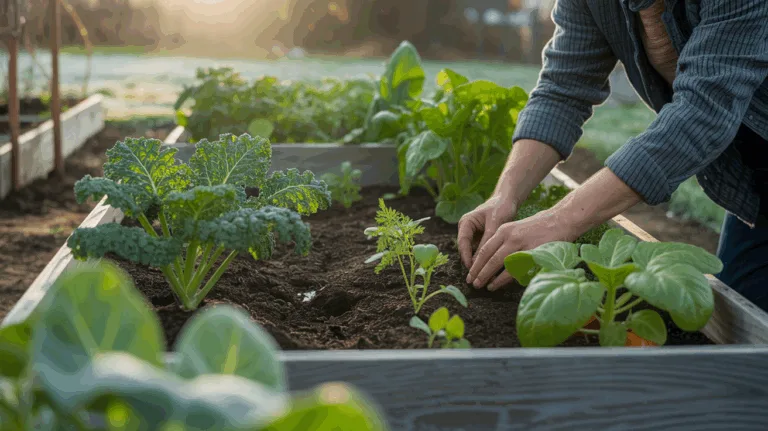
Many vegetables thrive in the cool weather that autumn brings. Consider planting crops like kale, spinach, and Swiss chard, which can handle the cooler temperatures. For those who enjoy flowers, planting bulbs such as tulips and daffodils during autumn will ensure a vibrant start to spring. These crops and plants not only sustain a garden’s productivity but also contribute to its aesthetic appeal throughout the colder months.
Protecting Plants from Frost
As the temperature starts to drop, protecting your plants from frost becomes essential. Use frost cloths or plant covers to shield sensitive plants during cold nights. For perennial gardens, consider cutting back and dividing overgrown plants, which helps them to survive winter and reemerge healthier in spring. Don’t prune shrubs heavily this late in the season, as it could stimulate new growth that will be vulnerable to early frosts.
Preparing Watering Systems for Winter
Preparation of your irrigation system is crucial for its longevity. Drain garden hoses and irrigation pipes to prevent them from freezing and cracking in the winter. If you have a rain barrel, empty it and store it upside down to avoid ice damage. These small preventive steps taken during autumn will save costs on replacements and repairs in spring.
Autumn Pruning
While heavy pruning should be avoided late in the season, autumn is still a good time to trim back any disease-infected or damaged branches. This preventive measure ensures that diseases and pests do not linger over the winter, setting you up for a healthier start in the next growing season.
Special Considerations for Gardening in Cold Climates
In areas with severe winters, take additional steps to protect your garden. Earth up plants like roses and wrap them with burlap. Delicate shrubs and young trees might benefit from a protective layer of burlap or tree wrap to shield the bark from severe cold and prevent frost cracking.
By following these essential care tips at the start of autumn, you can secure your garden’s health and vibrancy through the chill of winter, ensuring a robust and bountiful spring. Remember, a little effort in the fall can lead to rewarding results in the months to come.
As the vibrant tapestry of summer fades, the onset of autumn brings a transformative phase to your garden. This period is not merely about witnessing the leaves’ descent and the chilling air but is a crucial moment for enhancing and safeguarding your plants for the colder months ahead. To ensure your garden remains vigorous and lush, integrating key activities into your gardening practices is indispensable.
Firstly, the reduction in temperature and sunlight signifies an optimal time to clear away any remnants of summer’s vibrancy. Removing dead foliage and spent blooms helps prevent the spread of diseases and pests that thrive on decaying plant matter. Moreover, autumn is the prime time for planting perennials and bulbs. These plants benefit from the still-warm soil of early autumn, establishing strong roots in preparation for their spring flourish.
Another vital step is soil care; enriching your garden beds with compost or well-rotted manure will boost the nutrient content and improve soil structure. This not only invigorates your existing plants but also sets a robust foundation for new plantings. Additionally, consider the strategic placement of mulch after planting. This serves as a protective blanket that retains moisture and warmth, allowing seedlings and roots to thrive despite the drop in temperature.
Finally, do not overlook the necessity of hydrating your garden. Even as the cool weather might suggest diminutive watering, ensuring your plants have adequate moisture is crucial before the ground freezes. Healthy hydration supports them in building resilience against the frost and frigid winter temperatures.
By employing these essential care strategies, you can transition your garden through autumn with grace, guaranteeing vigor and vitality as you head into the winter season.