How to Choose the Perfect Camellia: Tips for Successful Planting!

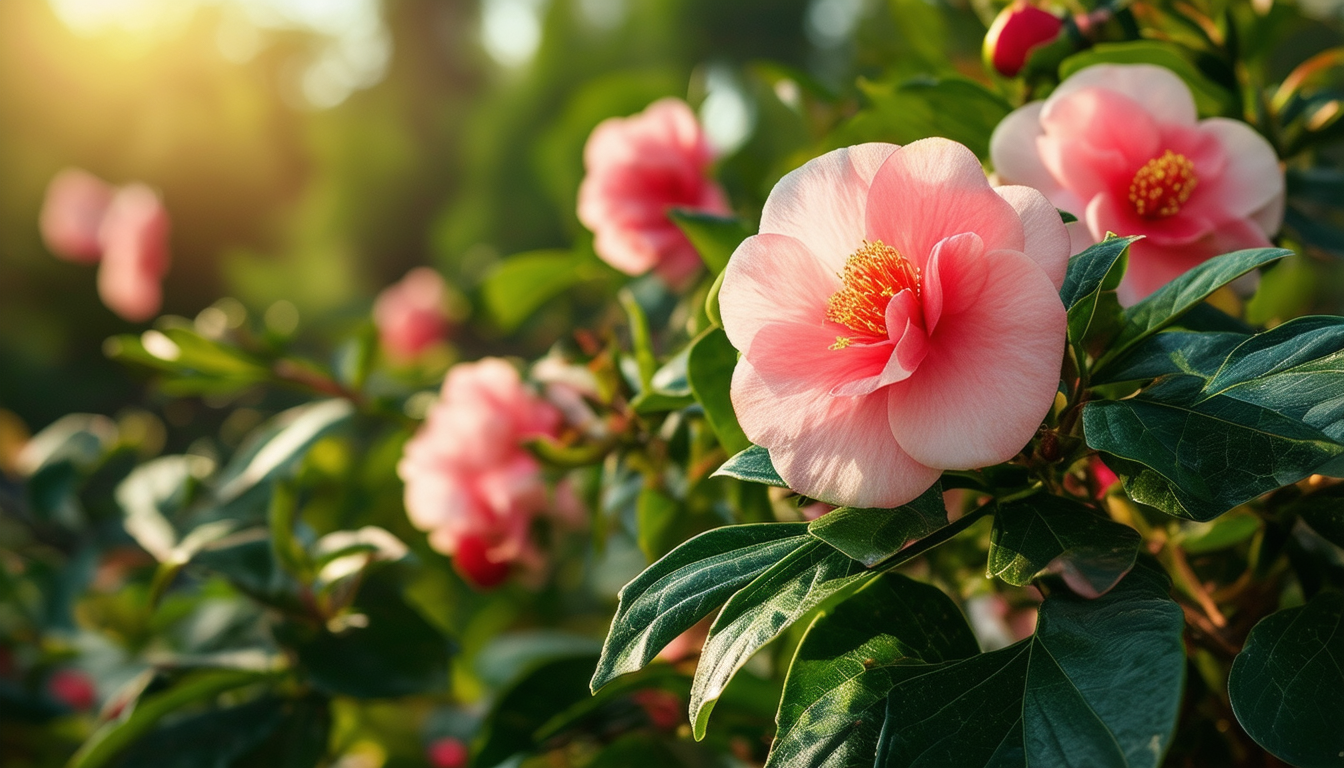
Welcome to the captivating world of camellias, a splendid choice for enhancing your garden with a touch of timeless beauty. These resilient yet delicate plants offer a dazzling array of colors and forms, making them a beloved favorite among garden enthusiasts. Explore essential tips on selecting the perfect camellia and mastering the art of successful planting to ensure a vibrant display that flourishes year after year.
Embarking on the journey of planting camellias involves not only selecting the right type but also understanding their planting requirements to ensure they thrive in your garden. This article will guide you through selecting the perfect camellia variety, ensuring the right planting conditions, and offering tips for nurturing them to full bloom.
Identifying the Right Camellia Variety
Choosing the right camellia species is crucial as it determines how well the plant will adapt and flourish in your environment. With the dazzling varieties available, consider the bloom time and the flower’s color and size that best suits your landscape design.
The Camellia japonica, known for its large, beautiful flowers and various colors, is a popular choice for many gardeners. Alternatively, the Camellia sasanqua is ideal for those looking for a more robust plant that offers not only stunning blooms but also a delightful fragrance in the autumn and winter months.
Selecting the Appropriate Color and Form
Camellias come in a spectrum of colors from pure white to deep red, and even striped or speckled varieties. The form of the flowers can also vary significantly from simple single blooms to more elaborate double forms. Aligning the color and form with the aesthetics of your existing garden will create a harmonious landscape.
Understanding Planting Requirements
Camellias require specific conditions to thrive, including the right soil, location, and planting technique.
Soil and Location
These plants thrive in well-drained, slightly acidic soil with a pH between 5.5 and 6.5. Ideal planting spots are partially shaded areas where they can be protected from the afternoon sun, which could potentially scorch their leaves.
Planting Technique
When planting camellias, ensure the hole is twice as wide as the root ball. This encourages the roots to spread and access nutrients effectively. The top of the root ball should sit slightly above ground level to enhance drainage and prevent root rot.
Care and Maintenance
Post-planting care is crucial for camellias to establish and flourish.
Watering and Mulching
Camellias require regular watering, especially during dry spells, to keep the soil moist. Mulching with organic material such as pine bark can help retain soil moisture and regulate soil temperature.
Fertilization and Pruning
Feeding camellias with a balanced fertilizer designed for acid-loving plants will support their growth and flowering. Pruning should be done selectively to shape the plant and remove any dead or broken branches, which helps to maintain the plant’s health and aesthetic appeal.
Choosing the right camellia for your garden and providing the correct care can result in a stunning floral display that enhances your outdoor space. By understanding the specific needs of these elegant shrubs, you can ensure their health and vigor, bringing beauty to your garden for many years to come.
Choosing the Ideal Camellia: Ensuring Your Garden’s Floral Elegance
When it comes to infusing your garden with grace and vibrant color, selecting the perfect camellia is a pivotal decision. This exquisite flower, with its lush evergreen foliage and stunning blooms, can transform any garden into a soothing oasis. The process of choosing the right variety should therefore be approached with consideration and care to harmonize with your existing garden environment.
Firstly, assess the specific climatic and soil conditions of your garden. Camellias thrive in well-drained, slightly acidic soil with a pH ranging from 5.5 to 6.5. Ensuring the right soil condition is a foundational step for your camellia’s health. Also, consider the amount of sunlight and shade your garden receives through the day. While camellias can tolerate various light conditions, they generally prefer partial shade. Placing them in a location that shields them from the harsh afternoon sun will protect their delicate leaves and flowers.
Varietal selection is another exciting part of adding camellias to your garden. Each variety boasts different characteristics in terms of bloom time, flower color, and size, allowing you to customize your garden’s display according to your aesthetic preferences and bloom sequence planning. For instance, the Camellia japonica offers a traditional look with its large, rose-like flowers, while the Camellia sasanqua provides a more graceful form with smaller blooms that contribute a delicate fragrance.
Lastly, planning the space and layout is crucial. Ensuring adequate space between plants will prevent overcrowding, promoting better air circulation and reducing the risk of disease. Consider their growth habit and eventual size; this foresight will help avoid future issues and minimize pruning needs.
By focusing on these key aspects—soil quality, light conditions, variety selection, and spacing—you can confidently choose a camellia that adds year-round beauty to your garden. Such care in selection and planting promises a bountiful bloom of these noble shrubs, making every glance towards your garden a delightful experience.