How to Use Manure as Fertilizer for Your Vegetable Garden

When it comes to enhancing the health and productivity of your vegetable garden, few things are as effective as utilizing manure as a natural fertilizer. Rich in essential nutrients like nitrogen, phosphorus, and potassium, manure can significantly improve your soil’s structure and microbial activity. However, the secret to maximizing its benefits lies in understanding how to properly incorporate it into your garden. Whether you’re a novice gardener or have years of experience, learning the right techniques for using manure can help you cultivate a thriving and abundant vegetable garden.
How to Use Manure as Fertilizer for Your Vegetable Garden
Using manure as fertilizer in your vegetable garden can significantly enhance soil health and improve plant growth. This natural resource is packed with nutrients that enrich your soil, fostering a thriving garden environment. In this article, we will explore the advantages of using manure, the best types to consider, and effective application techniques to ensure optimal results in your gardening journey.
The Benefits of Manure in Gardening
Manure serves several essential purposes in your vegetable garden. It adds nutrients to your soil, increases organic matter, and improves soil structure. Unlike synthetic fertilizers, which can deplete soil health over time, manure helps maintain the natural balance, boosting microbial activity and water retention. Additionally, using manure can result in greater yields due to the enhanced nutrient profile available to your plants.
Types of Manure to Consider
When selecting manure for your garden, different types come with their own nutrient profiles. Among the best options are:
Cow Manure
Cow manure is often favored for its balanced nutrient content. Rich in nitrogen, phosphorus, and potassium, it’s an excellent choice for promoting healthy plant growth.
Chicken Manure
Chicken manure is a powerhouse of nutrients, containing about 4% nitrogen, among other essential elements. However, due to its potency, it’s best used when composted to avoid burning your plants.
Pigeon Manure
Pigeon manure is known to rank higher than other fowl manures, demonstrating a nitrogen content of about 4.2%. It’s often less accessible but can be a fabulous addition to your compost pile when adequately processed.
Preparation of Manure
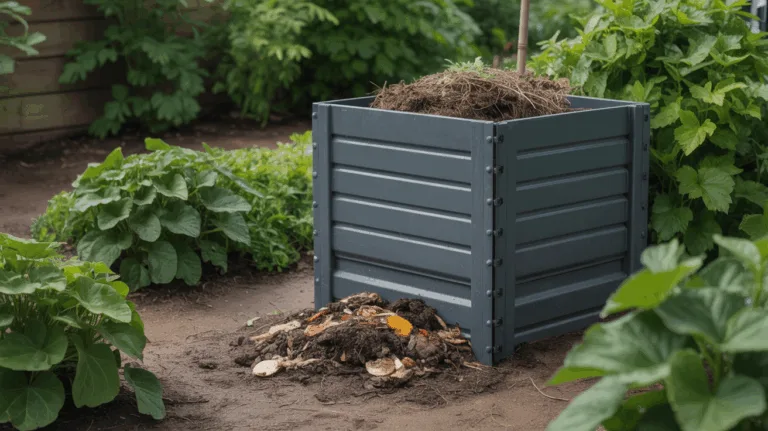
Before applying manure to your garden, it’s essential to prepare it correctly. Fresh manure can contain high levels of ammonia and potential pathogens, so it is crucial to compost it first. This process allows it to mellow and break down the harmful elements. Ideally, aged manure should be applied at least 60 days before planting to ensure safety for your crops.
How to Apply Manure in Your Vegetable Garden
The application of manure requires careful attention to ensure that you maximize its benefits. Here’s how to do it effectively:
1. Testing Your Soil
Before adding manure, performing a soil test can guide you on the nutrient needs of your garden beds. This way, you can tailor the application to the specific requirements of your plants.
2. Application Timing
Fall is often the best time to apply manure. This allows ample time for the nutrients to integrate into the soil before the growing season begins. Remember to avoid applying manure after planting, as this can lead to nutrient burn.
3. Spreading Techniques
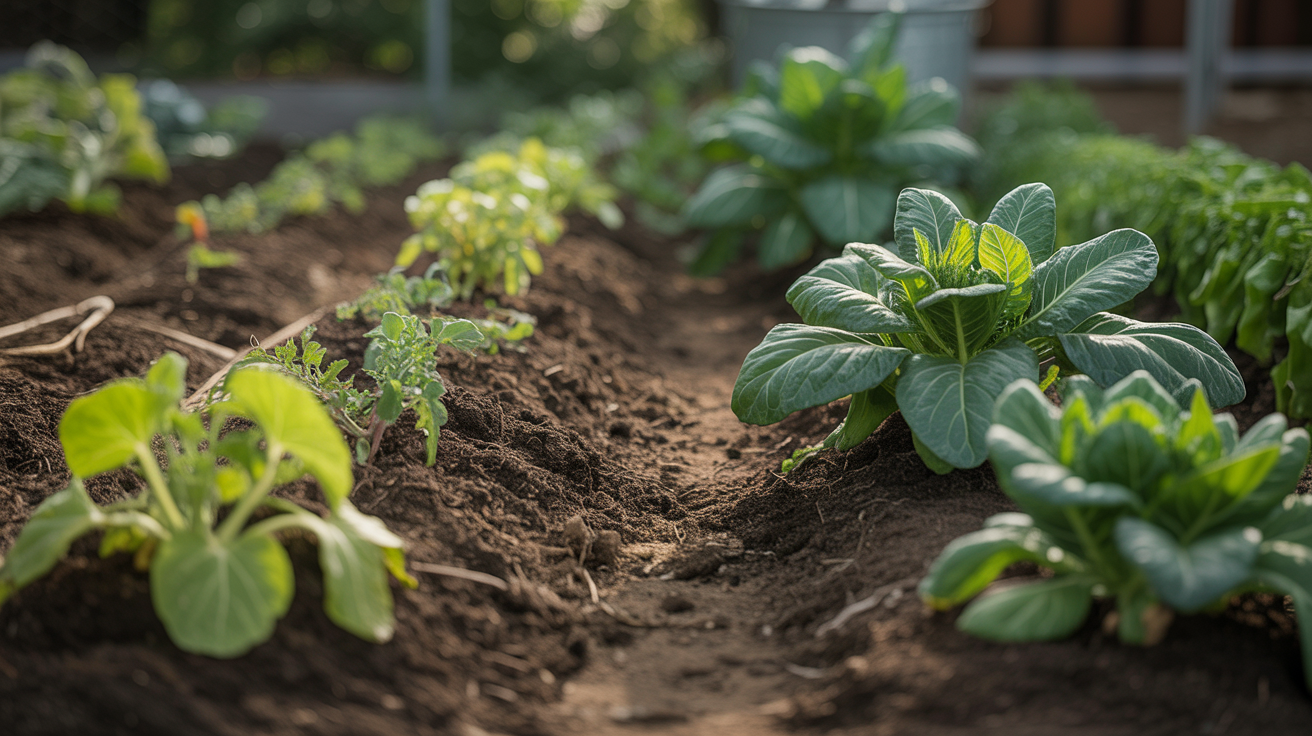
Manure can be spread by hand or using a shovel, and a broadcast spreader is useful for larger areas. After spreading, incorporate the manure into the top 6 to 12 inches of soil with a gardening fork. This technique promotes better absorption of nutrients by the plants.
Potential Risks of Using Manure
While manure offers numerous benefits, there are potential risks involved. Using raw manure can introduce pathogens, so it must be well-composted before application. Additionally, because manure is not a standard fertilizer, it’s crucial to consider its nutrient variability compared to packaged options like 10-10-10 fertilizer, which guarantees specific nutrient amounts.
Utilizing Manure Tea
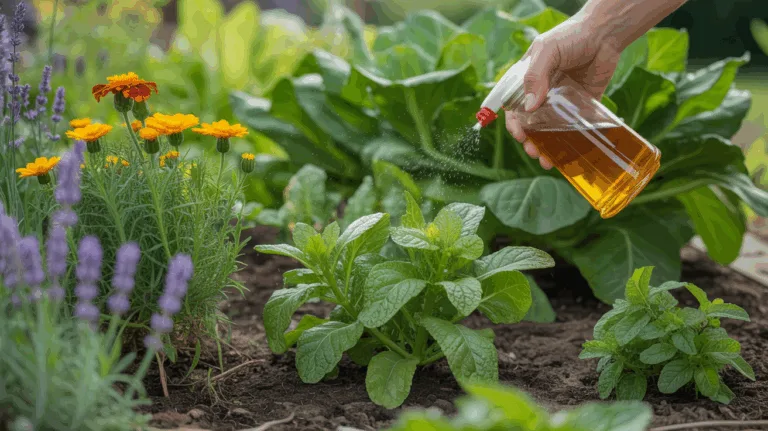
For a liquid fertilizer alternative, consider making manure tea. This technique allows you to extract nutrients from aged manure by steeping it in water. Once it reaches a rich, dark color and mild earthy odor, dilute it with water and apply it to your vegetable garden, enhancing nutrient delivery directly to the roots.
Essential Care Tips for a Thriving Garden
To support the benefits of using manure, consider implementing other practices. For instance, combining manure application with autumn garden care can set your vegetable garden up for success. Utilize veggie garden hacks to maximize your yields, and have strategies ready, such as combatting drought effects. Spring activities, including cover cropping and soil testing, can further enrich your garden soil and pave the way for bountiful harvests in the upcoming season, supported by insights found on spring activities for small spaces.
Manure can transform your vegetable garden into a lush, nutrient-rich oasis with the proper preparation and application techniques. Embrace this natural fertilizer to boost your plant health and soil quality!
Conclusion: Maximizing Your Vegetable Garden with Manure Fertilizer
Utilizing manure as a fertilizer for your vegetable garden can significantly improve the health and productivity of your plants. The natural nutrients found in well-composted manure help to create a rich, organic environment that promotes enhanced soil structure and microbial activity. By incorporating a variety of manures, such as cow, chicken, or pigeon, gardeners can tailor their fertilizer approach to the specific nutrient needs of their crops.
It is crucial to apply manure in a responsible manner to avoid potential risks associated with pathogens and nutrient overload. Fresh manure should be aged or composted adequately to minimize ammonia levels before application. As a rule of thumb, apply manure in the fall to ensure it has sufficient time to break down and enrich the soil prior to planting in spring. This strategic timing not only benefits your upcoming crops but also aligns with sustainable gardening practices.
For those looking to maximize the benefits of manure, employing techniques such as manure tea can offer a concentrated nutrient solution for your plants. Diluting this organic liquid fertilizer properly allows for safe and effective application without the risk of over-fertilization. Remember, while manure is a fantastic organic option, it is not a direct substitute for traditional fertilizers. Understanding its limitations and working it into a balanced nutrient plan is key to achieving a flourishing vegetable garden.
In conclusion, integrating manure into your gardening routine can result in bountiful harvests and flourishing plants. By embracing these best practices, you’ll cultivate a nutrient-rich soil that supports plant growth and health, resulting in a vibrant and productive vegetable garden.