Natural Strategies to Combat Ants in Your Vegetable Garden

Are you tired of seeing ants invading your vegetable garden? These industrious little creatures can sometimes create chaos, especially when they feast on your precious seedlings or weaker plants. But fear not! There are various natural strategies to control ants while ensuring the health of your garden remains intact. From using common household items to enhancing biodiversity, you can effectively manage these pests without reaching for harsh chemicals. Let’s explore some eco-friendly methods that not only keep ants at bay but also promote a vibrant garden ecosystem.
Ants can be both beneficial and problematic in your vegetable garden. While they serve an important role in the ecosystem by preying on pests, an overabundance of ants can turn into a nuisance, especially when they start invading your precious plants. This article will provide you with effective natural strategies to combat ants in your vegetable garden, ensuring your plants remain healthy and thriving.
Understanding Ant Behavior
Before diving into combat strategies, it’s essential to recognize why ants are attracted to your vegetable garden. Ants thrive in environments offering abundant food sources, so if they find sugary substances or decaying organic matter around, they’ll happily set up camp. Understanding their behavior is vital for developing effective prevention techniques.
Natural Deterrents to Keep Ants at Bay
Vinegar Solutions
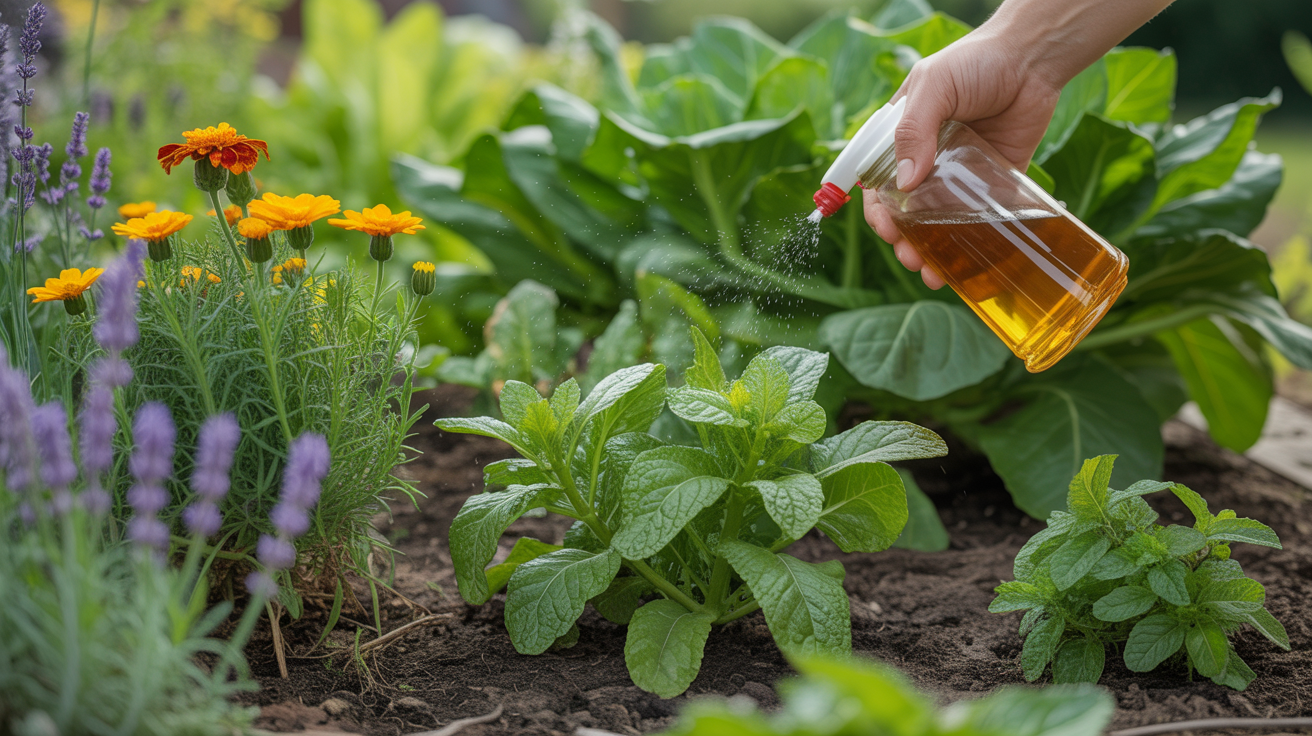
One of the most popular and readily available solutions is using a simple vinegar spray. Ants leave behind pheromone trails that help them navigate to food sources. By spraying a mixture of vinegar and water on these trails, you can disrupt their ability to follow the scent.
Essential Oils
Utilizing essential oils like peppermint or tea tree oil can be an excellent natural deterrent. Mixing a few drops with water and spraying around your garden can help to repel ants. These oils not only mask the chemical trails but are also pleasant for us, adding a refreshing aroma to your gardening experiences.
Companion Planting
Another effective strategy involves utilizing companion planting. By interspersing plants such as marigolds, lavender, or mint among your vegetables, you can create a natural barrier that ants tend to avoid. These plants emit scents and oils that are unappealing to many insects, including ants.
Traps and Baits Using Kitchen Ingredients
Boric Acid and Sugar Mixture
A popular homemade trap for ants is to mix boric acid and sugar. Sugar attracts the ants, while the boric acid serves as a poison that they carry back to their colonies. Just ensure that you place these traps where children and pets cannot access them.
Baking Soda and Powdered Sugar
Another harmless mixture is a combination of baking soda and powdered sugar. Like boric acid, this combination is fatal to ants, and it is safe for your garden plants. Place small amounts of this mixture near ant trails and colonies.
Maintaining a Clean Garden Environment
Keeping your vegetable garden tidy is essential in reducing the allure for ants. Regularly clearing away decaying leaves and removing potential food sources can make your garden less appealing for ant colonies. It’s a good practice to cover compost piles and keep trash sealed away.
Attracting Beneficial Insects
While ants can sometimes be pests, other insects serve a protective role in the garden ecosystem. Introducing beneficial insects such as ladybugs can help control aphid populations, which are often a food source for ants. This creates a balanced environment where ants are less likely to wreak havoc.
Creating Barriers
Physical barriers can be equally effective in keeping ants out of your vegetable garden. Diagrams or landscape fabric placed around your plants can deter ants from reaching them. Additionally, creating a moat filled with soapy water can be an effective barrier against ant infiltration.
Maintaining a healthy garden ecosystem while managing ants doesn’t have to be a daunting task. By implementing these natural strategies, you can keep your vegetable garden flourishing and thriving, maximizing not only your harvests but also the enjoyment of your gardening experience. For further tips on keeping unwanted pests at bay, consider exploring a range of resources on enhancing biodiversity in your garden.
Discover More about Enhancing Biodiversity in Your Garden
Maintaining a thriving vegetable garden can sometimes be a challenging endeavor, especially when faced with unwanted guests like ants. However, employing natural strategies to combat these tiny invaders can make a significant difference without harming your beloved plants. Understanding the root of the problem is key; many ants are attracted to plenty of food sources, including nectar from plants and other pests residing in your garden.
One effective method is the application of vinegar sprays on ant trails. The strong smell disrupts their pheromone communication and can deter them from entering your garden. Similarly, using a mixture of baking soda and powdered sugar can attract and eliminate ants effectively when ingested. This method provides a safe alternative, especially for gardens containing fruits and vegetables.
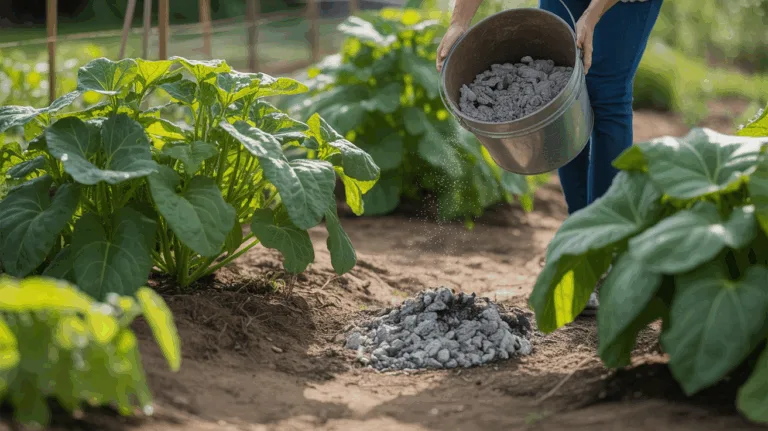
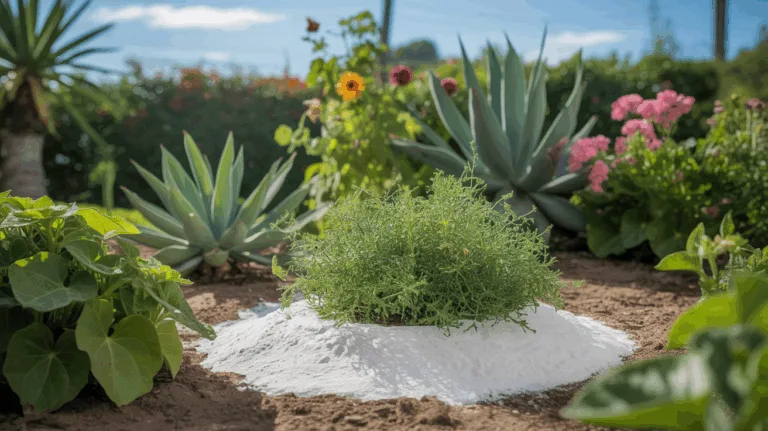
Another innovative approach to consider is utilizing companion planting. Certain plants naturally repel ants and other pests. For instance, incorporating mint, garlic, or petunias in your vegetable garden can create a formidable barrier against these pests. Furthermore, Diatomaceous Earth is an organic substance that can be sprinkled around plants to deter ants while also protecting against a variety of other garden pests.
For a broader strategy, fostering a healthy ecosystem within your garden is ideal. Encouraging beneficial insects like ladybugs can improve pest control while minimizing ant activity. Regular maintenance and observation will aid in identifying early signs of infestation, allowing for timely intervention.
Ultimately, employing these natural deterrents can ensure a flourishing vegetable garden, providing a safe and healthy environment for both plants and gardeners alike. By taking these proactive steps, you can harmonize with nature while protecting your cherished plants from ant invasions.