
Understanding the Ice Saints: Should You Heed Their Warnings in Your Garden?
Have you ever found yourself gazing at your garden, contemplating when to plant your precious seedlings? Enter the Ice Saints, a fascinating blend of folklore and practical wisdom. Between May 11th and 15th, these three saints—Mamertus, Pankratius, and Servatius—serve as a vital warning for gardeners everywhere. Their days are renowned for the possibility of late frosts, which puts your vibrant plants at risk. So, should you heed their warnings this spring? Let’s delve into the significance of the Ice Saints and how their ancient wisdom can guide your gardening decisions.
As gardening enthusiasts gather their tools and prepare to cultivate beautiful outdoor spaces, the ominous presence of the Ice Saints looms in the springtime air. This fascinating tradition encompasses significant dates associated with late frosts that can wreak havoc on tender plants. In this article, we will delve into the meaning of the Ice Saints, their historical background, and whether or not modern gardeners should heed their age-old warnings.
The Origins of the Ice Saints
The Ice Saints are recognized in folklore as a trio of saints: Mamertus, Pankratius, and Servatius, with their feast days falling between May 11 and May 13. These saints have garnered a notorious reputation as the harbingers of late frost. Gardens everywhere feel the chill as they remind us of the unpredictability of weather during this period. Historical accounts suggest that while folklore has embellished these figures, the risk of frost during this time is undeniably real.
Key Dates to Remember
Observing the feast days of the Ice Saints can serve as a crucial guideline for any gardener. The traditional dates—May 11 (Mamertus), May 12 (Pankratius), and May 13 (Servatius)—are often met with a collective sigh from gardeners. As these dates approach, many refrain from planting sensitive crops and flowers to avoid the potential frost damage that can occur.
Later Frost Predictions
Despite the charming tales of these saints, it’s imperative to rely on modern meteorological data as well. While the Ice Saints have historical roots stretching back to medieval times, contemporary gardens must now be warranted by climate knowledge that indicates fluctuating temperatures can still occur beyond these dates, even into late May. Monitoring weather forecasts before planting can help in making informed decisions that protect your garden’s beauty.
Practical Tips for Protecting Your Garden
As you prepare to embrace the vibrant season of growth, remember to keep a vigilant eye on the weather as the Ice Saints period unfolds. Here are some practical tips to protect your plants:
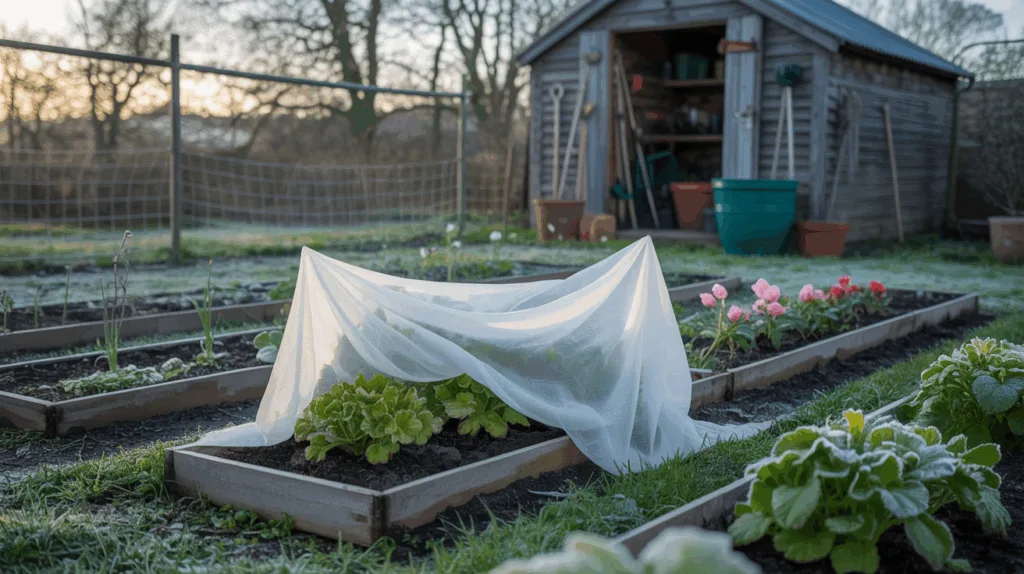
- Use Fleece Covers: Light fabric covers help trap heat and protect delicate plants from late frosts.
- Polytunnels: Investing in temporary structures can provide a controlled environment, shielding plants from unexpected weather.
- Watch the Moon Phases: Some gardeners believe that the lunar cycle may also impact frost occurrences, making it a valuable factor to consider.
The Modern Gardener’s Perspective
As the gardening world embraces practices rooted in tradition while navigating the complexities of climate change, the Ice Saints provide both a historical anecdote and practical guidance. Gardeners today often find themselves balancing the romantic notions of lore with the scientific understanding of evolving weather patterns. The Ice Saints serve as a reminder of nature’s unpredictability and the wisdom of patience.
Final Thoughts on the Ice Saints
While the Ice Saints may feel like an old wives’ tale, their legacy resonates deeply with gardeners today. The key takeaway is to remain cautious and informed. By understanding the significance of these dates and employing protective measures, you can continue to cultivate your paradise without worrying about late frosty surprises. Happy gardening!
The fascinating tradition of the Ice Saints serves as an important reminder for gardeners. Spanning from May 11 to May 15, this period is marked by a heightened risk of late frosts that can dramatically affect your beloved plants. Each Ice Saint—Mamertus, Pankratius, Servatius, Boniface, and Sophia—carries with them a distinct warning that has resonated through generations of agricultural practices.
As we learn from historical and climate-related research, the Ice Saints are not merely legends but thematic signposts that align with seasonal weather patterns. They alert us that Mother Nature can often be unpredictable, particularly in the late spring months. It is during this time that gardeners need to be readily prepared to protect their tender seedlings from unexpected frost damage.
One practical way to safeguard your garden during the Ice Saints is by investing in frost protection solutions. Items like polytunnels or protective fleece covers can help shield your young plants from the elements. Moreover, continuously monitoring the weather forecasts can equip you with timely information to take swift action if frost warnings arise.
In a world increasingly influenced by climate change, the relevance of the Ice Saints is amplified. Fluctuating temperatures mean that while these dates may still hold significant meaning, paying close attention to weather conditions is essential. Rather than dismissing age-old advice, combine traditional knowledge with modern meteorological insights to make informed decisions about your planting schedule.
Thus, whether you are a veteran gardener or just starting, understanding the implications of the Ice Saints can help you cultivate a thriving garden. Heeding these warnings could mean the difference between a lush harvest and a frostbitten disappointment, reaffirming the age-old wisdom passed down through time.