Essential Tips for Growing Zucchini Successfully

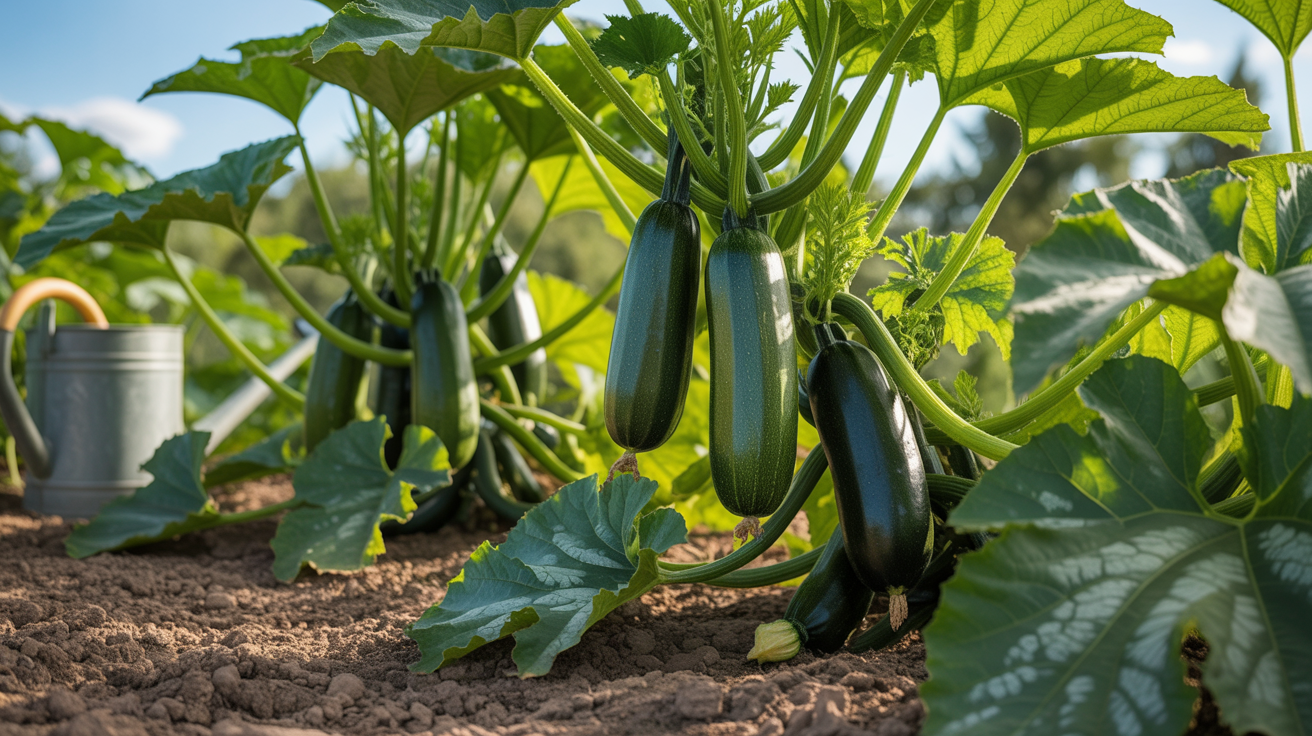
Growing zucchini successfully can be a rewarding experience that brings a bountiful harvest to your garden. With its rapid growth and versatile culinary uses, zucchini is a favorite among gardeners and cooks alike. However, to cultivate robust and healthy plants, it is essential to follow certain guidelines. From selecting the right variety to understanding optimal growing conditions, this guide will provide you with the essential tips needed to grow thriving zucchini that enrich your meals and gardening journey.
Are you ready to embark on a delightful gardening journey? Growing zucchini can be incredibly rewarding when you have the right knowledge. This article provides essential tips to ensure a bountiful harvest and help you create an abundant garden that not only enhances your meals but also enriches your gardening experience.
Choosing the Right Zucchini Variety
The first step in successful zucchini cultivation is selecting the perfect variety for your garden. With numerous options available, consider your personal preferences and the specific conditions of your garden. For instance, if you’re limited on space, you might opt for bush varieties, which are compact and perfect for small gardens or container gardening.
Planting Techniques
Proper planting techniques are essential for the successful germination of zucchini seeds. Ensure you plant your seeds at the right depth, typically about 1 inch deep, to give them the best possible start. Providing adequate space between each seedling is also important, as zucchinis can grow large and need room to spread their leaves and stems.
Preparing the Soil
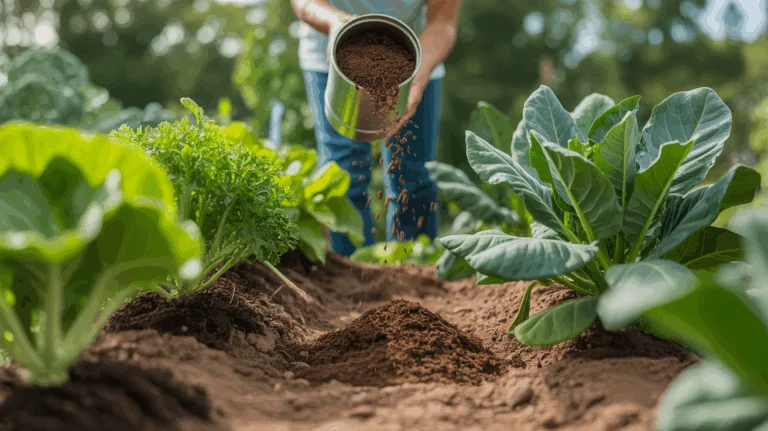
Before planting, it’s crucial to prepare your soil adequately. Zucchini thrives in well-draining soil enriched with organic matter. Conduct a soil test to determine pH levels and nutrient content, and amend the soil as needed with compost or well-rotted manure. Aim for a slightly acidic to neutral pH for optimal growth.
Watering and Sunlight
Zucchini plants require consistent moisture. Regular watering, especially during dry spells, is essential to prevent stress and encourage healthy fruit development. Additionally, zucchinis thrive in full sun, so choose a planting location that receives at least 6-8 hours of direct sunlight daily.
Fertilization Guidelines
Feeding your zucchini plants appropriately can significantly enhance their growth. A balanced fertilizer rich in nitrogen, phosphorus, and potassium will promote robust plant development and fruit production. Apply a layer of mulch around the base of the plants to help retain moisture, minimize weeds, and maintain a stable soil temperature.
Pest and Disease Management
Like any garden plant, zucchinis are susceptible to various pests and diseases. Regular monitoring is key to catching any issues early on. Common pests include aphids and cucumber beetles, which can be managed with organic insecticides or companion planting methods. Implement good gardening practices, including crop rotation and sanitation, to minimize disease risks.
Harvesting Techniques
Knowing when to harvest your zucchinis is crucial to ensure peak freshness and flavor. Harvest zucchinis when they are 6 to 8 inches long for the best taste and texture. Use a sharp knife to cut the fruit from the stalk, taking care not to damage the plant. Frequent harvesting encourages the plant to produce more fruit, leading to an abundant harvest.
Storing Your Zucchini
Once harvested, it’s important to store your zucchinis properly to prolong their shelf life. Keep them in a cool, dry place, ideally in the refrigerator, to maintain freshness for up to a week. For longer storage options, consider blanching and freezing them.
Exploring More Tips
Interested in expanding your gardening knowledge? Check out additional resources and guides designed to enhance your gardening journey. For example, learn about beginner-friendly vegetables or get insights from our June update on what’s thriving in the vegetable garden. Explore even more gardening inspiration with our summer garden exploration.
Growing zucchini can be a rewarding experience for any gardener, whether you are a beginner or an experienced green thumb. To ensure a fruitful harvest, it is crucial to pay attention to several key factors. First and foremost, selecting the right variety suited to your garden is essential. Different types of zucchini thrive in varying conditions, so consider your space, climate, and personal preferences when choosing.
Once you have selected the appropriate variety, proper soil preparation is vital. Zucchini loves nutrient-rich, well-draining soil, so amending it with organic matter such as compost will help boost its health. Planting your seeds at the right depth—approximately one inch—will facilitate better germination and growth. Consistent watering, particularly during dry spells, will also contribute significantly to your plants’ flourishing.
Pest management is another critical aspect of nurturing your zucchini. Keep an eye out for common pests like squash bugs and aphids, as they can wreak havoc on your plants. Employing natural pest deterrents or introducing beneficial insects can help you maintain a healthy garden ecosystem.
In addition to pest control, learn to recognize the signs of nutrient deficiency in your zucchini. Regularly inspecting your crops for yellowing leaves or stunted growth can give you clues as to whether they need additional fertilizers or amendments.
Finally, the timing of your harvest is crucial for enjoying the best flavor and quality. Picking zucchinis when they are around 6 to 8 inches long will yield tender produce, while leaving them on the vine for too long can result in an overgrown and less palatable fruit. With these tips in mind, you will be well on your way to cultivating a bountiful zucchini garden that will enhance your meals throughout the season.