
Master Autumn Rose Pruning for a Stunning Spring Bloom
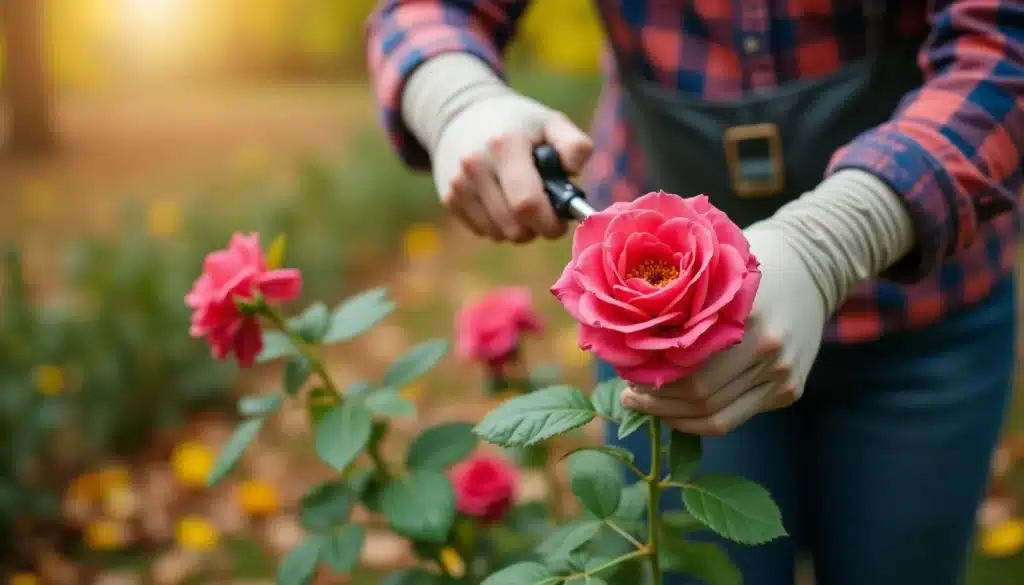
Embracing the fall season with a strategic approach to pruning your roses sets the stage for a spectacular spring bloom. By timing your pruning efforts for late October or early November, you ensure your roses’ health and vitality. Let’s explore this crucial autumn task, guiding you through each step to prepare your cherished plants for winter’s challenges.
Optimal Timing for Pruning Roses
Pruning your roses during the fall season is best done towards the end of October or the beginning of November. This timing is strategic as it avoids the early frosts that can damage the plant. Deciding on the optimal moment for this procedure is essential for the health of your roses and has a significant impact on their flourish in the subsequent spring.
By selecting late October or early November for pruning, you ensure that the roses have ceased their active growth phase which typically concludes with the onset of cooler weather. This period helps the plants to enter a natural dormancy phase. Additionally, pruning at this time helps in preventing any newly exposed cuts from being subjected to severe freeze, thus protecting the plant’s vulnerability. The careful timing of this action supports the vitality of your roses, setting a robust foundation for a vibrant bloom when spring arrives.
As your roses prepare to enter the dormancy phase, ensuring they’re pruned properly will contribute significantly to a healthy regrowth. Preparing your tools is the next step after setting the correct timing, and ensuring they are clean and sharp will assist in making clean cuts that heal quickly, reducing the risk of disease.
Preparing Your Tools for Pruning
Before you begin the integral task of pruning your roses to prepare them for the harsh winter months, ensuring that your tools are in prime condition is vital. Start with selecting the appropriate tools, primarily secateurs, which need to be both sharp and clean. This not only makes the pruning process smoother and more efficient but also helps in making precise cuts that are essential for the healthy regrowth of your roses.
Moreover, the sanitization of these tools cannot be overstated. Cleansing and disinfecting your secateurs and other pruning tools eliminate the risk of spreading diseases between the plants. For optimal cleanliness, soak the tools in a disinfectant solution or use alcohol wipes after every use. This precautionary step ensures that any lingering pathogens are eradicated, promising a healthy start for your roses in the next blooming season.
Remember, the effort you put into maintaining your gardening tools directly influences the health and aesthetic appeal of your garden. Regular care and proper handling of tools underscore the success of your gardening endeavors, especially when dealing with delicate tasks like pruning roses in autumn.
Step-by-Step Guide to Pruning Roses
Pruning roses in autumn involves a methodical approach to ensure your rose bushes thrive during the winter and bloom beautifully come spring. Start by inspecting your rose plants to identify and remove any branches that are dead or exhibit signs of disease. It’s critical to eliminate these as they can become sources of infection and weaken the overall plant.
Next, address areas where the branches seem overcrowded. Thinning out these sections improves air circulation and light penetration, crucial for the health of your roses. When cutting branches, make strategic cuts about a quarter inch above an outward-facing bud at a 45-degree angle. This technique encourages optimal growth and helps maintain the shape of your rose bush.
Always use clean and sharp tools for pruning to prevent infecting your plants. Once you finish, clear away the clippings and any fallen foliage around your bushes. This not only keeps your garden tidy but also reduces the chance of pests overwintering close to your roses, following up, consider protection strategies, such as mulching, to safeguard your plants from early frosts. This continuous care is vital for ensuring the longevity and aesthetic of your garden roses.
Additional Care Post-Pruning
After trimming your roses, it’s imperative to keep the area around the plants tidy to prevent any diseases from leftover debris. Gather and dispose of all fallen leaves and remnants promptly. This not only keeps your garden neat but also discourages pests and diseases that thrive in decayed plant matter. For those with compost setups, consider adding healthy plant waste to your compost bin, avoiding any diseased or infested materials.
To guard your roses against early frost, adopt protective measures like mulching or covering with burlap. Mulching with organic materials such as straw or shredded bark can significantly enhance soil insulation, retaining warmth. If harsher weather is anticipated, drape your bushes with burlap covers to shield them from freezing temperatures. This dual approach not only protects from cold but also maintains steady soil moisture throughout the winter months.
If you haven’t already, implementing a thorough fall care routine will promote a robust return in the spring. Continual vigilance in removing unhealthy foliage and safeguarding against frost are pivotal steps in ensuring the longevity and vitality of your rose garden. Extend these practices to all beloved plantings for a thriving, bloom-filled landscape post-winter.
Long-Term Rose Health Management
Maintaining healthy roses requires ongoing attention beyond just the autumn months. As each season brings different challenges and opportunities, understanding the yearly cycle of rose care can ensure your plants remain vigorous and produce stunning blooms. For instance, during the winter months, it’s advisable to focus on protection from severe weather, while spring is the optimal time for planting new roses and fertilizing.
Regular maintenance throughout the year includes monitoring for pests and diseases, which can vary seasonally. Applying organic pesticides early in the spring can prevent common issues before they start. Additionally, consistent deadheading during the blooming season not only keeps your roses looking pristine but encourages further flowering. In the summer, ensure your roses are well-watered but avoid overhead watering to prevent leaf diseases.
It’s worthwhile to tailor your care approach as the seasons change. With a diligent, year-round care regimen, your roses can thrive and contribute to a beautifully landscaped garden that adds charm and color throughout the year.
Ensuring your roses are well-prepared for winter through strategic autumn pruning, diligent tool maintenance, and protective measures can make all the difference. These steps not only safeguard your plants through the cold months but also set them up for a vibrant spring bloom. Embrace this care routine for a thriving, colorful garden year-round.
Source: LeJMed