
A Closer Look at the Summer Vegetable Garden
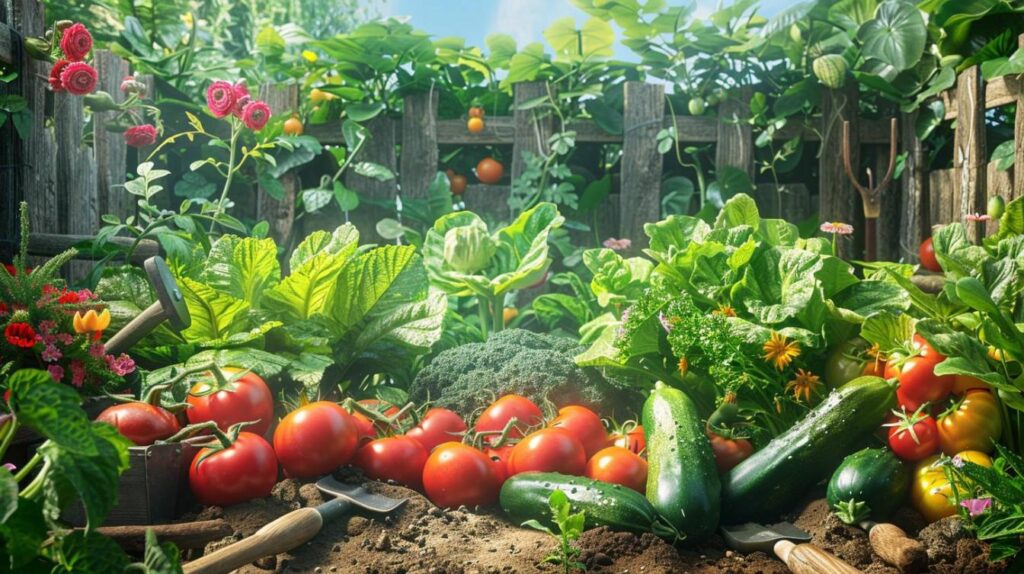
As the sun kisses the earth with its warm rays, garden beds awaken, brimming with life and color. The summer vegetable garden is a vibrant tableau of growth and vitality, offering a bounty of fresh produce. From the crisp snap of green beans to the juicy burst of tomatoes, each plant in the garden is a testament to the lush possibilities of the season. This guide delves into the delicate dance of planting, cultivating, and harvesting summer vegetables, tailoring advice to ensure your garden reaches its full, flourishing potential.
Delving into the world of summer vegetable gardening reveals a dynamic array of plants that thrive in warm weather and yield bountiful crops. This guide offers insights into the proper care, optimum planting times, and techniques to enhance the productivity and health of your garden. From understanding the key vegetable varieties to recognizing the importance of proper timing, this article will equip you with essential knowledge to make your summer garden flourish.
The Best Vegetables to Plant in Summer
Summer’s warm embrace calls for specific types of vegetables that can withstand the heat and still produce hefty yields. Tomatoes, peppers, zucchinis, and cucumbers stand out as favorites among gardeners for their robust growth and fruitful harvest in summer conditions. Additionally, vegetable varieties like eggplants and okra thrive in higher temperatures, making them perfect candidates for your summer garden beds.
Timing and Planting Techniques
For success in summer vegetable gardening, timing is critical. Vegetables like beans and squash need to be planted when soil temperatures reach about 50-60 degrees Fahrenheit, ensuring a good start. Nighttime temperatures should also be considered to avoid early plant stress. Utilizing raised beds or containers can offer greater control over soil temperature and quality, facilitating better growth conditions.
Challenges and Solutions in Summer Gardening
Summer gardening can sometimes be a battle against heat, drought, and pests. Implementing drip irrigation systems can provide consistent moisture levels essential for vegetable growth, thereby conserving water and reducing the stress on plants during peak heat times. Moreover, mulching helps in retaining soil moisture and keeping the roots cool. Pest control is another crucial aspect, and using environmentally friendly methods such as neem oil or insect nets can help protect your crops without harming beneficial pollinators.
Optimal Garden Maintenance Practices
Maintaining a summer vegetable garden requires regular upkeep to ensure plants are healthy and productive. Regular weeding, monitoring for disease signs, and proper fertilization are critical. Embrace companion planting to deter pests naturally and enhance your garden’s biodiversity. Additionally, staking or using garden trellises for vining plants like cucumbers and tomatoes can improve air circulation around the plants and facilitate easier harvesting.
Harvesting Your Summer Vegetables
Knowing when to harvest is just as important as knowing what to plant. Most summer vegetables can be harvested at several stages of growth, depending on how you plan to use them. For instance, zucchini can be picked when they are small and tender, or allowed to grow to a larger size for different culinary uses. Regular harvesting also encourages plants to produce more extensively, maximizing the productivity of your garden.
Pollination and Its Critical Role
Encouraging pollinators in your garden is vital for the success of many summer vegetables, especially those that bear fruit after flowering. Flowers such as marigolds or lavender can attract bees and butterflies, which are essential for pollinating your vegetable plants. Constructing habitats that are friendly to these pollinators can significantly increase your garden’s yield and health.
Looking Forward: Preparing for Late Summer and Early Fall
As summer progresses, it’s prudent to start planning for late summer and early fall gardening activities. This involves preparing for a second planting of faster-growing crops such as spinach, lettuce, and radishes, which can yield an additional harvest before the first frost. Transitioning smoothly from summer to fall not only maximizes your garden’s output but also extends fresh produce availability in your home.
Final Note: Embracing Technology in Gardening
Utilizing modern gardening aids like vertical gardening techniques and smart gardening apps can enhance garden management and output. These tools help in monitoring your garden’s progress, scheduling tasks, and understanding plant-specific needs, leading to a more efficient and rewarding gardening experience.
As we delve deeper into the verdant world of the summer vegetable garden, it becomes abundantly clear that nurturing these seasonal delights fosters not only a rich harvest but also a multitude of benefits for the gardener’s well-being and local ecosystem. Each plant that sprouts from the soil carries with it potential for both nourishment and aesthetic pleasure, presenting us with endless learning opportunities and the joy of outdoor activity.
Key to success in the summer garden is the understanding of what plants to select that are best suited to the warmer climate. Gardening during this season can be quite vigorous, with high rewards in the form of plump tomatoes, crisp bell peppers, and succulent melons, among others. Timing is crucial, as certain vegetables like beans and squash thrive when planted at just the right moment when soil temperatures are warm enough to encourage growth.
In managing a thriving summer garden, the integration of organic practices and the constant battle against pests and unpredictable weather patterns become part of the gardener’s routine. The employment of companion planting, natural pest controls, and adequate hydration strategies can deeply affect the quality and quantity of the produce. Furthermore, the use of mulches and cover crops can enhance soil health, mitigating the harsh effects of intense summer heat.
Ultimately, the summer vegetable garden is a testament to the delicate balance of nature, requiring a keen eye and a patient hand. By embracing the challenges and joys it presents, gardeners can enjoy a fruitful season. Beyond the bounty of fresh produce, the lessons of resilience and sustainability resonate throughout the garden space, enriching the lives of those who tend to it and promising lush seasons in the years to come.