
Video Guide to Tomato Planting
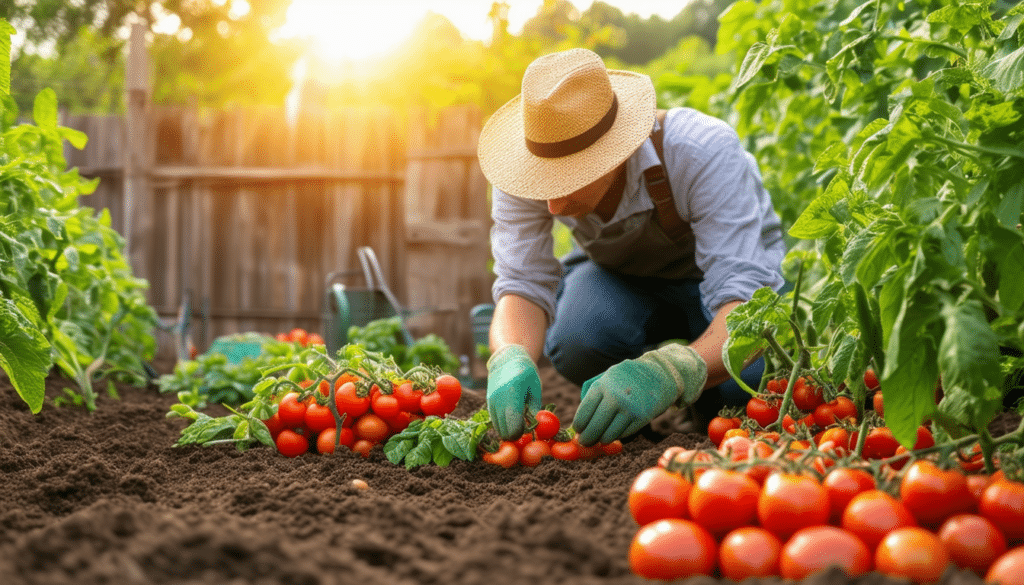
Embark on an exhilarating journey to master the art of growing tomatoes with our detailed video guide. Whether you’re a seasoned gardener or a budding green thumb, this tutorial offers valuable insights and step-by-step instructions to ensure your tomato plants flourish. From seed selection to harvest, discover the secrets to cultivating robust tomato plants brimming with succulent fruits.
Welcome to the ultimate video guide on planting tomatoes, crafted to provide you with the necessary steps, equipment, and strategies to enhance your tomato-growing journey. Whether you are a novice gardener or an experienced cultivator, this guide aims to enrich your understanding and techniques to achieve a bountiful tomato harvest.
The Essentials of Tomato Planting
Planting tomatoes is both an art and a science, as it cultivates not only the plants but also the joy and satisfaction of growing your own food. Tomatoes require certain conditions to thrive, including adequate sunlight, a steady water supply, and careful attention to soil conditions. In this section, we’ll delve into the step-by-step process of planting tomatoes, ensuring you have all the knowledge to get your tomato plants off to a great start.
Choosing the Right Tomato Varieties
Selecting the appropriate tomato variety is crucial for catering to your climate and taste preferences. Varieties such as ‘Early Girl’, ‘Beefsteak’, and ‘Cherry’ provide options for different growing conditions and culinary uses. If you are looking for a quick harvest, consider early maturing varieties that can offer you ripe tomatoes in as little as 50 to 60 days from planting.
Understanding Tomato Planting Techniques
The method of planting can significantly impact your tomato plant’s health and yield. Traditional in-ground planting is popular, but container gardening and raised beds can offer advantageous alternatives, especially for those with limited space or poor native soil conditions. Techniques such as deep planting or using a trench can encourage stronger root systems and healthier plants.
Supporting Your Tomato Plants
Support systems for tomato plants are not just beneficial but often essential. They keep the plants upright, promote air circulation, and facilitate sun exposure, which is crucial for fruit development. In this section, we explore diverse staking options and how to implement them effectively.
Choosing the Right Supports
Options like cages, stakes, and trellises are available and can be matched to the type of tomato and the growth habit expected. Larger, indeterminate varieties often require more robust and taller supports, while smaller, determinate types may need less support.
Installing Supports
The installation of supports is ideally done at planting time to avoid damaging the roots and stems later on. It’s important to secure the supports firmly in the ground to withstand the weight of the plants as they grow laden with fruit.
Navigating Pests and Diseases
Maintaining the health of your tomato plants is pivotal in ensuring a productive season. This segment provides insights into common pests and diseases and how to manage them without diminishing the health of your garden.
Preventative Measures
Actions such as rotating crops, maintaining clean garden beds, and using disease-resistant varieties can significantly reduce the risks of issues. Regular inspections and prompt action when problems are first noticed can prevent a minor issue from becoming a major setback.
Natural Remedies
Utilizing natural remedies like neem oil, horticultural soaps, and homemade solutions such as garlic or chili pepper sprays can be effective at controlling pests and diseases without resorting to harsh chemicals. Such measures are not only better for the environment but also for your health and the plants themselves.
Harvesting and Enjoying the Fruits of Your Labor
As your tomato plants mature and bear fruit, the moment to enjoy your harvest arrives. Timing your harvest can influence flavor and yield. This final section covers how to know when your tomatoes are at their peak and how to store and enjoy them.
When to Harvest Tomatoes
Tomatoes are best harvested as they ripen from green to their mature color, depending on the variety. The feel of the tomato—firm yet slightly yielding—often indicates ripeness, as well as a slight sweetness smelled at the base of the fruit.
Storing Tomatoes Properly
After harvest, proper storage is key to preserving the quality and longevity of your tomatoes. Cool, not cold, temperatures are ideal. A pantry or countertop away from direct sunlight is often suitable unless you are aiming to ripen the fruit further.
Using Your Tomatoes
From salads to sauces, tomatoes can be transformed in various culinary ways. Fresh tomatoes are delicious on their own, with a sprinkle of salt, or incorporated into dishes. For those with a bumper crop, canning, drying, or freezing can be excellent ways to preserve the bounty.
Unveiling the Secrets of Tomato Planting
Embarking on a journey of planting tomatoes can be a thrilling venture, filled with the anticipation of bountiful harvests. However, mastering the art of tomato planting requires keen attention to detail and adherence to some key principles that ensure the health and productivity of your plants. Whether you are a novice gardener or a seasoned expert, understanding these elements can transform your approach and significantly improve your outcomes.
Firstly, choosing the right type of tomato is crucial. Identifying whether you need a determinate variety that stops growing at a certain height and produces all its fruit at once, or an indeterminate variety that continues growing and producing fruit throughout the season, can make a big difference. Each type caters to different gardening spaces and harvest expectations, influencing how you plan your garden space and schedule your gardening activities.
Another pivotal aspect is the planting technique. Tomatoes thrive when planted deeply, as this encourages a more extensive root system. This deeper planting can be achieved through a method such as trench planting or simply digging deeper holes. This technique not only helps the plants remain upright and robust but also enhances their ability to access water and nutrients, which are indispensable for their growth.
Nutrition is also vital. The soil’s quality, enriched with organic matter like compost and well-balanced fertilizers, provides the essential nutrients that tomatoes need to grow vigorously. Moreover, timely interventions, such as the use of staking or caging, support the plants as they grow taller and heavier with fruits, preventing them from bending or breaking.
In summary, understanding these foundational aspects and preparing accordingly can make the difference between a struggling plant and a lush, fruit-bearing one. Video guides on tomato planting are invaluable resources that can demonstrate these techniques and much more, offering visual aids to help you master the art of tomato gardening.