Does Compost Attract Rats? Here’s How to Keep Them Away!

Composting is a fantastic way to nourish your garden while reducing waste, but many gardeners worry about attracting unwanted visitors. Rats are notorious for frequenting compost heaps due to the tempting food scraps they contain. However, with the right knowledge and strategies, you can enjoy the benefits of composting without the fear of these furry intruders. Here’s how to keep rats away from your compost bin and maintain a healthy, rodent-free garden space!
Does Compost Attract Rats? Here’s How to Keep Them Away!
Composting is a fantastic way to recycle organic matter and enrich your garden’s soil. However, many gardeners worry about the possibility of rats being attracted to their compost bins. The truth is, while compost can attract rodents due to its warmth and food scraps, there are effective strategies to prevent these furry intruders from making your compost their home. Let’s explore how to mitigate these risks and enjoy a thriving compost system without the uninvited guests!
Understanding Why Rats are Attracted to Compost
Rats naturally seek out warmth, shelter, and food. Compost heaps, particularly when made from kitchen scraps, can provide all these elements in abundance. The organic matter typically comprises a mix of greens (nitrogen-rich materials) and browns (carbon-rich materials), which can give off enticing odors that waft through the air. Additionally, if the compost is kept in a dark, sheltered spot, it can become an ideal nesting site for rodents.
Choosing the Right Compost Bin
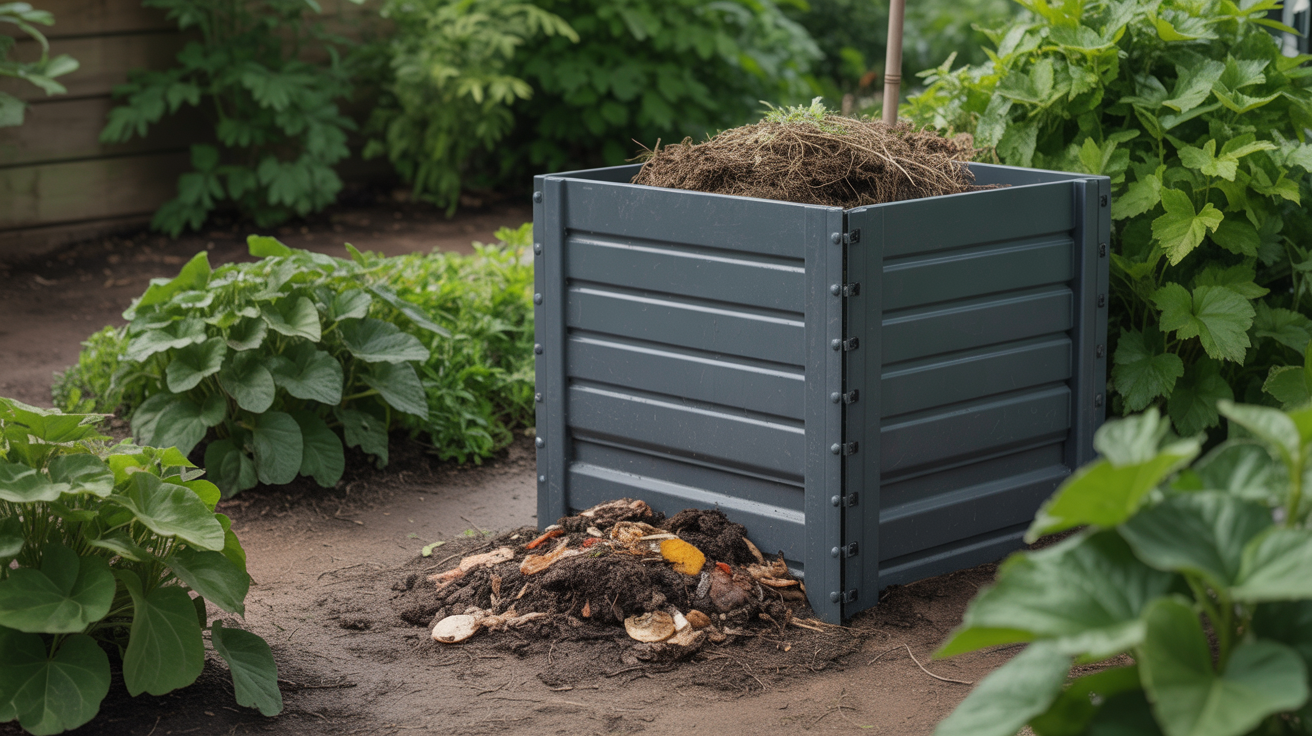
One of the first steps in creating a rat-resistant composting system is selecting a suitable compost bin. Opt for solid-sided containers without any gaps or openings that might offer access to rodents. An elevated bin can also deter rats since they typically prefer ground level. Make sure your compost bin is made from sturdy materials that can withstand the elements and potential burrowing.
What to Compost and What to Avoid
The choice of materials that enter your compost pile significantly impacts whether you invite rats or not. Avoid composting items that attract rodents, such as meat, dairy, or oily foods. Instead, focus on plant materials, such as vegetable scraps, fruit peels, grass clippings, and dried leaves. When you do add kitchen scraps, consider burying them beneath a layer of browns like dried leaves or straw to further mask the scents.
Maintaining the Right Moisture Level
Your compost pile should be kept moist, resembling a wrung-out sponge. Too much moisture can lead to odors that attract rats, while too little can prevent efficient decomposition. This balance encourages aerobic bacteria to thrive and reduce foul smells. Regularly turning the compost can help aerate it, ensuring it maintains the optimal moisture content.
Keeping the Area Clean
Proximity to food sources can attract rats more than the compost itself. Keep the area around your compost bin clean and free from food debris, fallen fruit, or any other organic waste. Scrap piles or unkempt gardens can become a smorgasbord for rodents. Implementing tidy garden practices ensures that you reduce the chances of rats lingering nearby.
Additional Prevention Strategies
Consider implementing additional prevention strategies to safeguard your compost. Using rat-proof mesh around the compost bin can deter rats from digging underneath. Regularly inspecting your compost for signs of infiltration is also wise, allowing for early intervention should any signs of rats appear.
Learn More About Garden Invaders
It’s not just compost that can attract unwanted guests to your garden. Discover the one plant that may attract rats and mice. It’s crucial to maintain a healthy ecosystem in your garden while keeping undesirable pests at bay.
Final Thoughts on Media and Preventing Pests
In the hectic world of gardening, it’s essential to stay ahead of problems to prevent infestations. Keeping squirrels and other rodents at bay adds another layer of protection for your plants. Using fragrant flowers can effectively repel unwanted pests, which you can learn more about in our article on repelling squirrels with specific flowers.
By implementing these strategies, you can enjoy the benefits of composting while keeping your garden and outdoor spaces free from pesky rodents!
For additional insights on your gardening journey, check out our latest articles like Duran Duran’s Halloween concert, or the overview of gardening and vegetable plot progress. You’ll find creative and inspiring ideas for your garden!
And don’t forget to explore creative ways to use fresh mint from your garden, adding a burst of flavor to your life while ensuring your outdoor spaces flourish!
Does Compost Attract Rats? Here’s How to Keep Them Away!
Composting is an excellent way to recycle organic waste and enrich your garden soil, but it can be a cause for concern when it comes to attracting unwanted pests like rats. Understanding what draws these creatures to your compost can help you take proactive measures to prevent infestations.
Rats are primarily attracted to compost bins because of the easy access to food scraps. To mitigate this risk, maintain a balanced compost pile by burying food scraps beneath a layer of browns, such as leaves or straw. This practice not only reduces odors but also makes it less convenient for rats to reach the enticing food. Additionally, moisture control is vital; keeping your compost as damp as a washboard sponge promotes proper decomposition while dissuading rats from finding comfort in overly dry environments.
Another strategic approach is selecting a sturdy compost bin. Choose a container with solid sides and no gaps that could allow entry, and elevate it off the ground to create an additional barrier. Regularly cleaning the area surrounding the compost bin can further deter rats by eliminating any leftover food debris that might attract them.
By implementing these tips, you can enjoy the benefits of composting without worrying about rodent visitors in your garden. Remember, a well-maintained compost system not only supports the environment but also protects your outdoor space from unwanted pests. So, dive into your composting journey with confidence, knowing that simple preventive measures can keep your garden thriving and pest-free!