
Tips for Successfully Growing Rosemary at Home
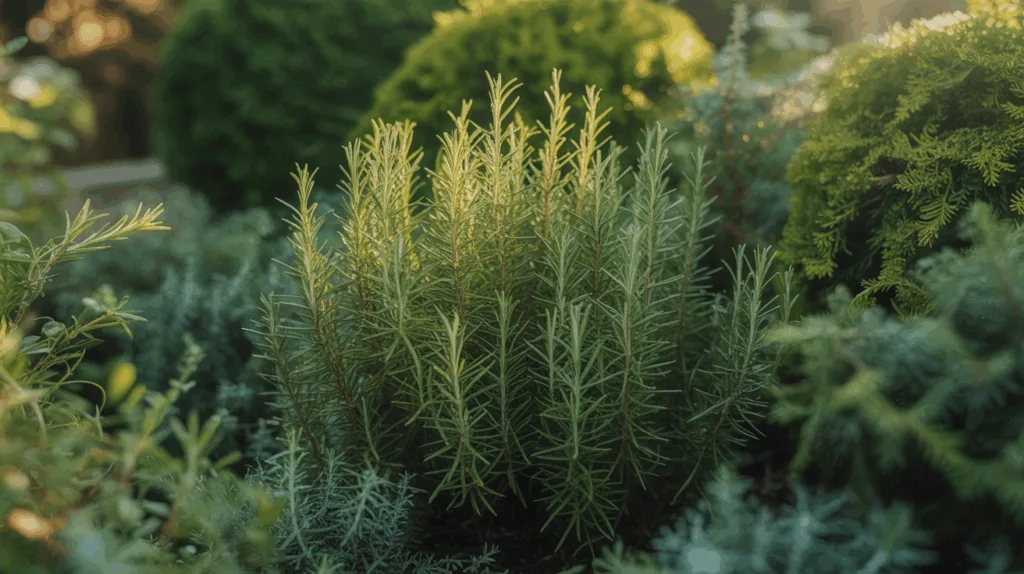
Are you ready to welcome the enchanting fragrance of rosemary into your home? Growing this aromatic herb can be a delightful journey filled with culinary possibilities and sensory rewards. Whether you have a spacious garden or a cozy windowsill, rosemary is a versatile plant that thrives in a variety of conditions. With just a few simple tips and a splash of enthusiasm, you can successfully cultivate your own rosemary plants, enriching your dishes with its distinctive flavor and transforming your space into a fragrant oasis. Let’s dive into the essentials for nurturing this wonderful herb right at home!
Growing rosemary at home can be an incredibly rewarding experience. This fragrant herb not only enhances the flavor of your dishes but also adds a touch of beauty to your garden or kitchen. With just a bit of knowledge and care, you can cultivate this resilient plant and enjoy fresh rosemary at your fingertips. Here are some essential tips that will guide you on your journey to growing rosemary successfully at home.
Choosing the Right Location
When selecting a spot for your rosemary, remember that it craves sunlight! Aim for a location that receives at least 6 hours of direct sunlight daily. Whether in your garden or on a sunny windowsill, the more light it gets, the happier it will be. Additionally, ensure that the site provides good air circulation, as this helps in preventing disease.
Soil Preparation
Rosemary thrives in well-draining soil that’s slightly alkaline. To achieve this, mix in organic matter, such as compost, to enrich the soil. A mixture that is two parts sand to one part peat moss can also provide an optimal growing medium. This will help your rosemary roots breathe and not get waterlogged, reducing the risk of root rot.
Planting Rosemary
You can start your rosemary journey by planting from seeds or cuttings. If you choose cuttings, pick a healthy 4-6 inch branch, strip the lower leaves, and dip it in rooting hormone. Place this cutting in the prepared soil and keep it in indirect sunlight for about three weeks to encourage root development. If you prefer seeds, sow them directly into your garden in USDA zones 8 to 10 during spring.
Watering Wisely
Watering can be a tricky yet crucial part of rosemary care. This herb prefers to dry out a bit between waterings. Always allow the top 1 to 2 inches of soil to dry completely before re-watering. Overwatering can lead to root rot, so ensure your pot has drainage holes to facilitate proper water flow.
Care and Maintenance
As your rosemary plant matures, it may need some attention to flourish. Regularly check for pests and diseases, and trim back any dead or yellowing leaves. Pruning rosemary not only helps maintain its size but also promotes healthier growth. Aim to prune during the spring or early summer to rejuvenate the plant and encourage new growth.
Fertilizing
While rosemary doesn’t require much fertilizer, feeding it with a light dose of organic fertilizer in early spring can give it an extra boost. Too much fertilizer can harm the plant, so a light touch is key. A well-balanced organic compost will suffice for most of its nutritional needs throughout the growing season.
Companion Planting
Rosemary also thrives when planted alongside certain other herbs and vegetables. Its aromatic foliage can help deter pests, making it an excellent companion for plants like cabbage and carrots. If you’re facing issues with neighboring pets or creatures in your garden, consider employing effective techniques to keep uninvited guests away by visiting here.
Harvesting Your Rosemary
Once your rosemary matures, it’s time to enjoy the fruits of your labor! Harvest the fragrant leaves as needed, using clean scissors to snip off branches gently. The best time to harvest is in the early morning after the dew has dried, when the essential oils in the leaves are most potent. Make sure to leave enough foliage on the plant to ensure continued growth.
Growing Rosemary Indoors
If you’re limited on outdoor space, rosemary can also make a delightful indoor houseplant. Choose a pot that’s slightly larger than the original one, ensuring good drainage. Remember to place it in the sunniest spot available, typically near a south-facing window. Monitor the moisture levels carefully, as indoor rosemary can dry out quicker than outdoor plants.
With its aromatic flavor and low care requirements, rosemary is an exhilarating herb to grow at home. By following these straightforward tips, you’re well on your way to cultivating your own rosemary plants that will bring flavor to your cooking and beauty to your gardening space. For more inspiration on transforming your garden, consider exploring creative garden ideas here.
Growing rosemary at home can be a truly rewarding experience, as this aromatic herb not only enhances your culinary creations but also adds a lovely touch to your garden or kitchen windowsill. When embarking on your rosemary gardening journey, selecting the right location is paramount. Ensure that your rosemary plants receive at least six hours of direct sunlight each day, as this herb thrives in bright conditions.
To establish healthy rosemary plants, start by preparing well-draining soil. This aromatic herb flourishes in slightly alkaline, nutrient-rich, and organic matter-enriched soil. You can easily propagate rosemary from cuttings or seeds; however, using cuttings can often yield faster results. If opting for cuttings, select a healthy 4-6 inch stem and remove the lower leaves before placing it in a suitable growth medium.
Watering is another essential component of growing rosemary successfully. Aim to allow the top inches of soil to dry out between waterings, as rosemary prefers a drought-resistant environment. Overwatering can lead to root rot, so it’s crucial to maintain a balance. This beautiful herb performs exceptionally well in USDA zones 8 to 10, where outdoor growing conditions align with its needs.
Lastly, do not underestimate the power of consistent care. Regularly prune your rosemary plants to encourage bushier growth and to prevent them from becoming leggy. Harvest leaves as needed, ensuring your plants remain healthy and productive. By following these expert tips, you’ll create an enchanting rosemary plant that elevates your home cooking and brings joy to your gardening experience!