
How to Deter Your Neighbor’s Cat from Using Your Garden as Its Loo
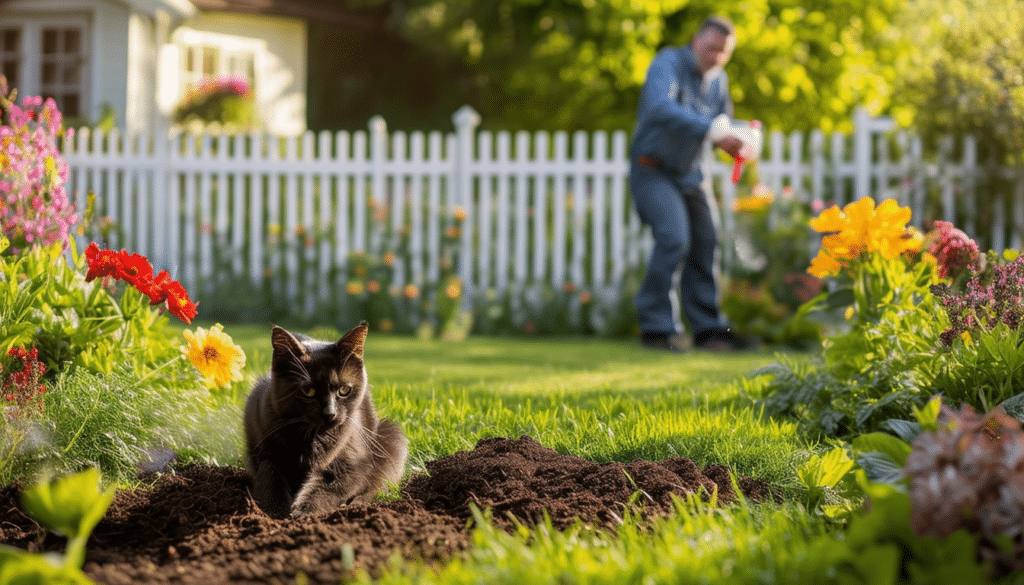
If your personal slice of paradise has transformed into the neighborhood cat’s favorite bathroom, you’re not alone. Many garden enthusiasts face this issue, yet there are delightful and effective solutions to reclaim your outdoor haven. In this guide, discover a collection of methods to humanely and creatively discourage feline visitors from leaving unwanted surprises in your garden beds, ensuring your child can play safely.
Understanding Feline Behavior
Cats are naturally inclined to roam and assert their territory. They might see your garden as an extension of their stomping ground, especially when the environment offers soft, loose soil akin to natural litter. Knowing a cat’s tendency to mark territories with their scent can aid in crafting effective deterrents.
Create Less Inviting Terrain
Making your garden uncomfortable for cats can significantly reduce their visits. Consider using physical barriers like crisscrossed branches or upside-down carpet runners with the spiked side up. These offer safe challenges for cats and deter their preferred digging spots. You could also cover bare areas with river rocks or pine cones, transforming comfy digging zones into less appealing choices.
Use Nature’s Own Fragrances
With a strong sense of smell, cats are easily deterred by particular scents. Infuse your garden with citrus peels, lavender, and rosemary. These powerful fragrances can act as natural repellents. Sprinkling cinnamon or using coffee grounds can not only deter cats but also enrich your soil. Consider complementing these scents with enzyme sprays, which eliminate the scent trails cats leave behind.
Strategic Planting for Protection
Incorporating plants that cats naturally avoid can turn your garden into a feline-free zone. Lavenders, lemon balms, and rosemary are not only beautiful but also cost-effective. Their rapid growth and delightful aromas act as living barriers to deter cats.
Let Your Plants Fight Scent with Scent
Your strategy might include planting shrubs closely together. With their bushy growth, these plants make dodging difficult for cats. Discover which plants act as natural deterrents in our article on fragrant flowers that repel invasive creatures.
Introducing Motion-Activated Solutions
Motion-activated deterrents like sprinklers or lights provide subtle yet effective ways to keep cats at bay. Cats despise surprises, and a sudden spray of water or flash of light can promptly discourage their visits. These technologies allow you to oversee specific areas and address the feline problem strategically.
High Tech Meets Garden Tech
When simplicity isn’t enough, technology steps in. Integrated wildlife cameras and infrared sensing devices can give insights into the precise movements of cats, helping refine your deterrent methods. This strategic approach combines the traditional with the modern for an optimal solution.
Engage in Neighborly Dialogue
Sometimes, a simple conversation can go a long way. If you identify the owner of the feline visitors, express your concerns in a neighborly manner. They might establish a toilet area for their furry friends using compost and child-safe sand. This can significantly diminish the number of kitty visits to your plot.
Fostering a Respectful Community
Sharing ideas about cat management can cultivate a community that respects each other’s spaces. By discussing shared concerns, perhaps over coffee, you open doors for creative cooperation and foster neighborly goodwill. This collective care contributes to a harmonious neighborhood where gardens thrive safely.
Maintain a Kid-Safe Environment
For parents, ensuring a secure garden for their children is paramount. By applying these deterrents, you shield your beloved green spaces and create a safer environment for your little ones. Cover sandpits when not in use, and add twigs or decorative plantings in empty beds. Transform your garden into a sanctuary for both plants and play.
Ensuring Safety for All
Ultimately, your garden is an extension of your home—a place for relaxation and adventure. By implementing these strategies, you create a refuge not just for your plants and flowers but for your family too. Embrace eco-friendly gardening techniques to achieve a harmonious balance between nature and family life.
Guiding Your Garden to Serenity: Bidding Farewell to Feline Visitors
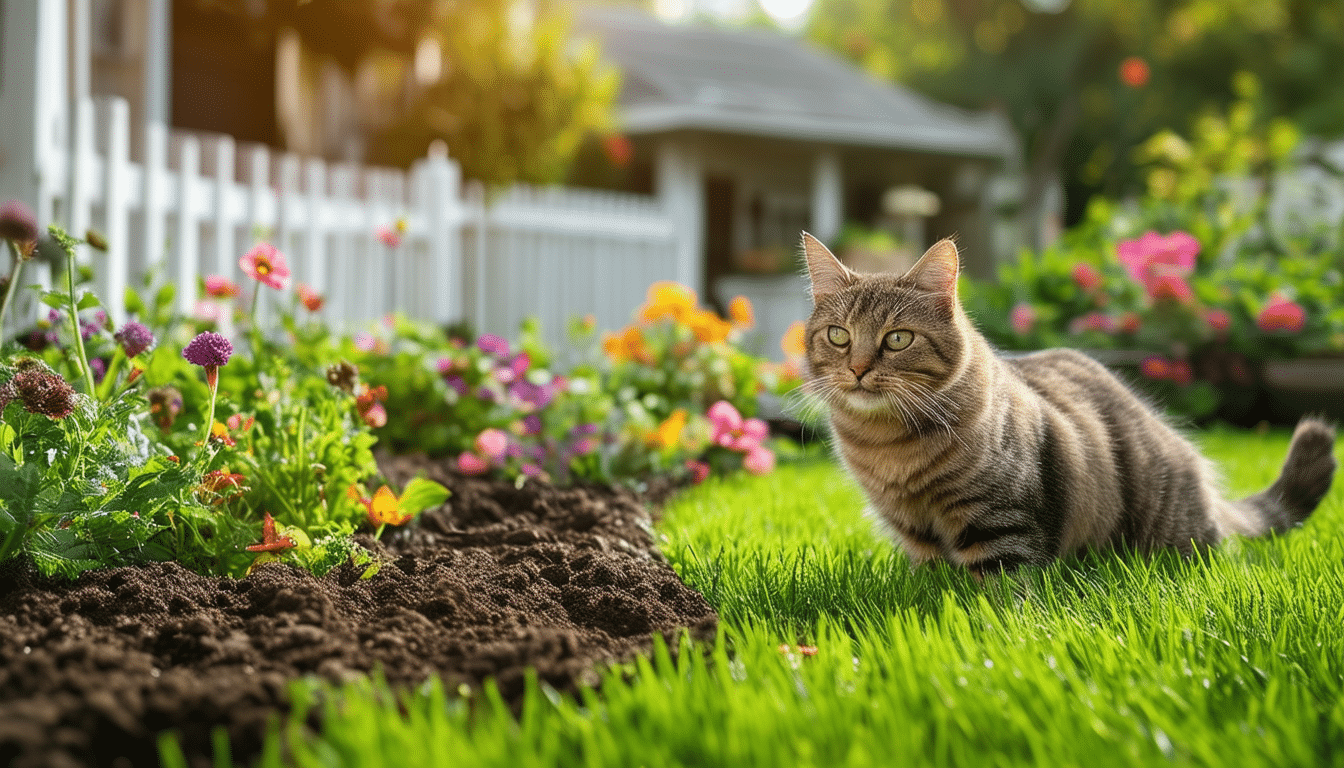
A flourishing garden, a sanctuary of tranquility, can sometimes face unexpected furry visitors. However, safeguarding it from neighborhood cats isn’t an impossible task. By employing a blend of practical measures and nature-inspired strategies, you can create a haven that discourages these feline invaders.
First, consider harnessing the power of physical barriers. Items like motion-activated sprinklers, branches, or even upside-down carpet runners can effectively make your garden less inviting for cats. These simple changes can transform the landscape from a feline playground to a place they prefer to avoid.
Next, focus on incorporating aromatic deterrents. Cats have an acute sense of smell, and by planting herbs such as lavender, rosemary, or employing citrus peels, you can create a naturally unwelcoming atmosphere for them. These pleasant scents for humans can act as potent repellents for cats!
Exploring the idea of a designated bathroom spot for the neighborhood cats can also be a creative approach. Engaging with your neighbors or the cat owners to establish a specific area with some added compost and child-safe sand might encourage them to keep their business closer to home, thereby reducing their visits to your garden.
Lastly, proactive communication with your neighbor can be a discreet yet impactful tactic. A gentle conversation can prompt them to adjust their litter arrangements or even create a more enticing bathroom area within their own space. Positive reinforcement methods for the cats, encouraging them to use their designated spot, can further promote harmonious coexistence.
Embarking on a journey to prompt these cheeky cats to find an alternative loo is rooted in understanding their natural instincts and behaviors. By weaving together solutions combining privacy interruption and ingenious use of scents and physical obstacles, your garden can regain its role as an undisturbed oasis of beauty and peace!