
Embracing Zero Waste Gardening: 7 Creative Approaches to Cultivate a Greener Garden
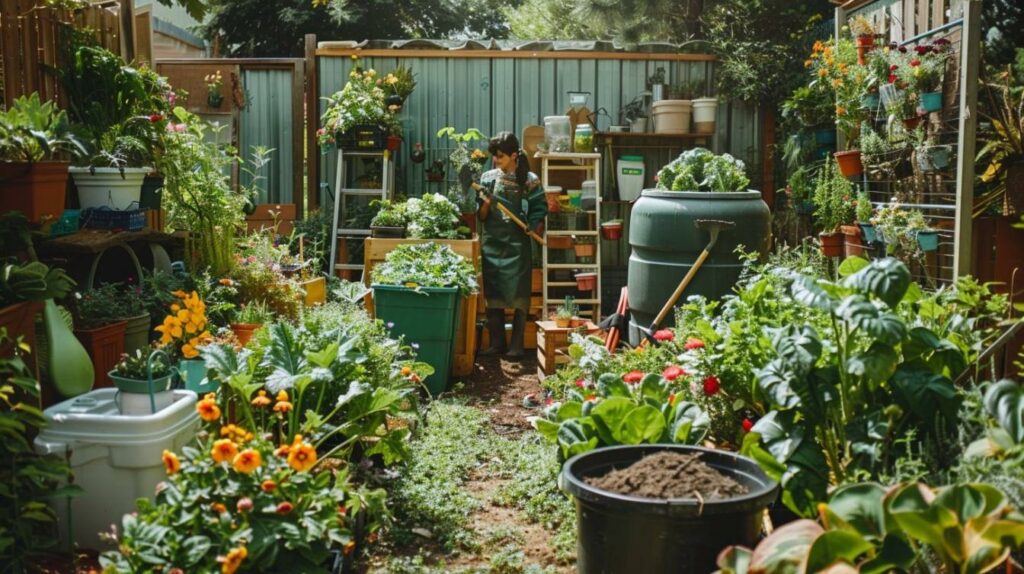
Embark on a journey towards a more sustainable and eco-friendly garden with these innovative zero waste gardening practices. From harnessing natural resources to repurposing everyday items, you’ll discover ways to optimize your garden’s potential while nurturing the environment.
Harnessing Sunlight
Using the power of the sun is one of the most effective ways to promote a healthier and greener garden. Design your garden layout to maximize sunlight exposure, ensuring that plants receive the optimal amount of natural light they need to thrive. Consider installing solar-powered garden lights and fountains to further reduce your carbon footprint.
Capturing Rainwater
Avoid wasting precious resources by implementing rainwater harvesting systems. Set up barrels or other containers to collect runoff from your roof, then use this captured water to hydrate your plants. This not only conserves water but also reduces your reliance on municipal water supplies.
Composting to Improve Soil
Transform organic waste into nutrient-rich compost to nourish your garden. Composting can be done using food scraps, garden trimmings, and other biodegradable materials. By returning these nutrients to the soil, you promote healthier plant growth and reduce the amount of waste that ends up in landfills.
Reusing and Repurposing
Get creative by reusing and repurposing household items in your garden. Old containers, jars, and even broken furniture can be turned into planters or garden decor. This not only reduces waste but also adds a unique touch to your garden. Vertical gardening is another excellent way to repurpose space and materials, enhancing both aesthetics and air quality.
DIY Fertilizers
Create your own fertilizers using common household items like coffee grounds, eggshells, and banana peels. These natural fertilizers are not only cost-effective but also provide essential nutrients that promote healthy plant growth. Embracing DIY fertilizers reduces chemical usage and supports a more organic garden environment.
Supporting Local Businesses
Source plants, seeds, and gardening supplies from local farmers and nurseries. Supporting local businesses reduces transportation emissions and encourages sustainable practices within your community. By choosing locally grown plants, you’re also introducing species that are better adapted to your region’s climate and soil conditions.
Incorporating Wildlife-Friendly Elements
Create a haven for bees, butterflies, and other beneficial insects by planting native species and providing habitats like bug hotels or birdhouses. These elements encourage pollination and pest control naturally, promoting a balanced and thriving ecosystem. Additionally, avoid using pesticides and opt for natural pest deterrents to protect both your garden and its inhabitants.
Zero waste gardening is not just a trend; it’s a lifestyle choice that resonates deeply with the essence of sustainable living. By adopting innovative practices, we can create lush, thriving gardens while minimizing our environmental footprint. Harnessing sunlight, capturing rainwater, and making full use of every plant part are cornerstone techniques to maximize natural assets.
One of the most impactful practices is composting. Transforming kitchen scraps and garden waste into nutrient-rich compost not only enriches the soil but also reduces the amount of waste sent to landfills. It’s a simple yet effective way to foster a thriving garden while contributing to a cleaner planet.
Reusable items play a crucial role in zero waste gardening. From using old containers as planters to repurposing materials for garden structures, creative reuse can save money and reduce waste. DIY fertilizers, crafted from common household items, further support plant growth in a sustainable manner.
Supporting local businesses and nurseries not only helps the economy but also cuts down the carbon footprint associated with long-distance transport of plants and gardening supplies. Buying organic and locally grown seeds and plants promotes a healthier ecosystem.
Water conservation is another critical aspect. By capturing and utilizing rainwater, we reduce dependency on municipal water systems and ensure our gardens thrive even during dry spells. Simple initiatives like installing rain barrels and redirecting water flow can make a significant difference.
The idea of vertical gardening is gaining popularity for its space efficiency and ability to enhance air quality. Hanging pots and DIY planters can transform small, urban spaces into green oases, proving that anyone can cultivate a garden, regardless of space constraints.
Lastly, embracing organic gardening practices ensures that our gardens are as bug, bee, and animal-friendly as possible without the use of harmful chemicals. This not only promotes biodiversity but also creates a safer environment for all garden dwellers.
In essence, embracing zero waste gardening is about making mindful choices that benefit both our gardens and the planet. By implementing these creative approaches, we can cultivate stunning, eco-friendly gardens that stand as testaments to sustainable living.