
Gardeners Advised to Apply Coffee Grounds to Their Gardens Before October
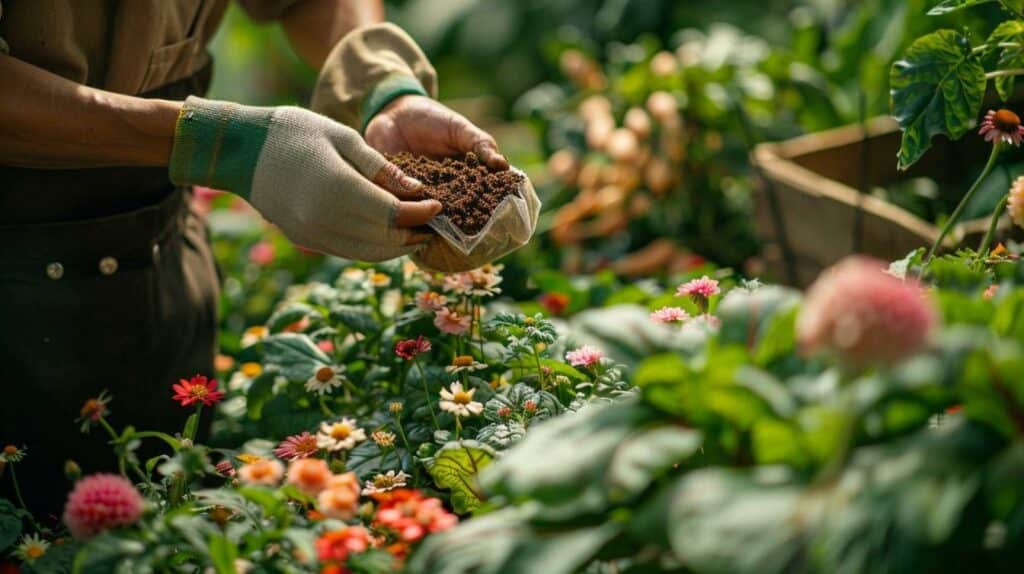
Attention, gardening enthusiasts! The clock is ticking. Experts are advising gardeners to apply coffee grounds to their gardens before October to combat infestations of slugs and snails that could devastate your precious plants. Learn about the benefits and best practices of using coffee grounds in your garden in the sections below.
The Perils of Slugs and Snails
As autumn approaches, slugs and snails find the perfect conditions to thrive. These pests can cause extensive damage to garden plants, leaving gardeners frantically searching for effective solutions. Thankfully, there’s an unexpected yet effective method that’s gaining traction: using coffee grounds as a natural deterrent.
The Science Behind Coffee Grounds and Pest Control
Gardening experts have discovered that caffeine is toxic to slugs and snails. Studies have shown that coffee grounds can reduce slug and snail numbers by between 50% and 90%. For a simple, environmentally friendly solution, consider this remarkable trick that might save your garden.
How to Apply Coffee Grounds Effectively
For maximum effectiveness, spread used coffee grounds thinly over your garden soil. It’s crucial that the grounds are spent, as unused coffee grounds can harm your plants. Remember, moderation is key. Using coffee grounds excessively could lead to adverse effects on your garden soil and plant health.
The Benefits of Using Coffee Grounds
In addition to pest control, coffee grounds offer several other benefits when used correctly. They act as an excellent compost ingredient and improve soil structure. Moreover, when sprinkled appropriately, they provide essential nutrients for your plants. Explore this secret gardening hack to see how coffee grounds can transform your plants.
Common Pitfalls to Avoid
While coffee grounds can be beneficial, they must be used with caution. Some gardeners have experienced disastrous results by overusing them. Make sure to apply coffee grounds sparingly and infrequently to avoid soil acidification and other potential risks. For more practical advice, check out this guide on how to eliminate garden slugs overnight.
Other Uses for Coffee Grounds
Beyond pest control, coffee grounds have numerous applications in your gardening routine. They serve as excellent mulch and can be a component of your compost pile, enhancing soil fertility over time. Discover more exciting tips in this little-known secret to banish snails and slugs from your garden.
Using coffee grounds in your garden before October can be a simple yet effective way to protect your plants from slugs and snails. By following these best practices, you can harness the power of used coffee grounds to create a healthier, more vibrant garden. Time to brew up some coffee and give your garden the boost it needs!
The Power of Coffee Grounds in Your Garden
Many garden enthusiasts are buzzing with excitement over the surprising benefits of coffee grounds for their plants. As we approach October, it’s essential to note that this humble kitchen waste can be a game-changer in your gardening toolkit. One of the most appealing advantages is its use as a natural, non-toxic pest control. Caffeine in coffee is toxic to slugs and snails, and studies have shown that coffee grounds can reduce their numbers by an impressive 50 to 90 percent. So, before the colder months set in, why not sprinkle a bit of that morning brew waste around your plants to keep these pests at bay?
However, like anything in life, moderation is key. While coffee grounds have their benefits, it’s important to use them judiciously. Too much caffeine can be harmful to plants, leading to unintended negative effects. The key is to spread the grounds thinly and periodically. Rather than dumping heaps of unused coffee grounds, use them sparingly and mix them with other compost materials. This way, you’ll be able to enhance soil quality without overwhelming your plants with caffeine.
Coffee grounds don’t only serve as pest deterrents; they also play a pivotal role in enriching the soil. They are rich in nitrogen and other essential nutrients that plants crave. Adding coffee grounds to your compost can boost the organic material in the soil, thereby improving soil structure and fertility. Additionally, the grounds can improve drainage and promote healthy root growth when used correctly.
But hold on—before you rush to scatter coffee grounds everywhere, it’s crucial to remember that not all plants are fans. Some plants, especially those that thrive in alkaline soils, may not appreciate the acidity that coffee grounds can introduce. Research and observe your plants to ensure they are compatible with this form of organic matter. Used appropriately, coffee grounds can be the secret ingredient to a thriving, pest-free garden. So, take this as your green light to grab that bag of spent coffee grounds and start sprinkling before October arrives. Happy gardening!