Understanding Fragmented Branch Wood (FBW): What Is It?

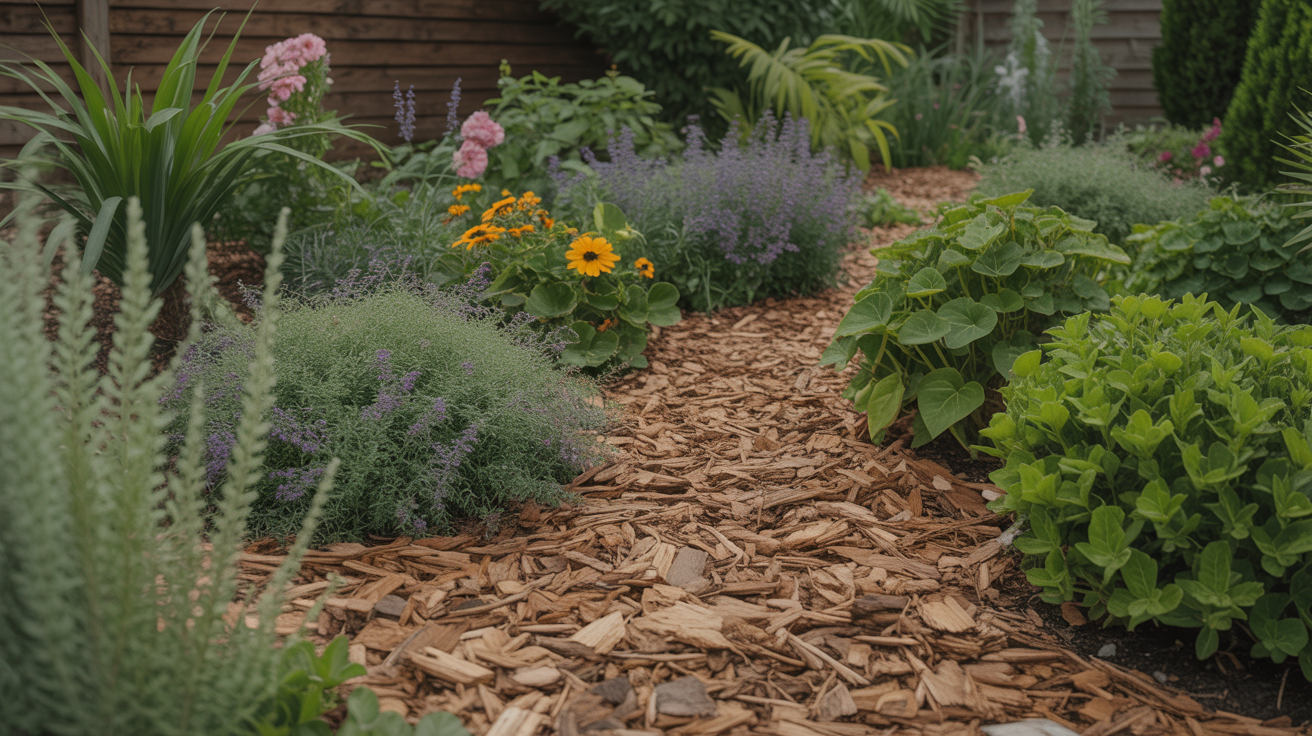
Fragmented Branch Wood (FBW), often referred to as Ramial Chipped Wood, represents an innovative approach in gardening and landscaping. FBW is derived from small to medium-sized branches, meticulously chipped to create a natural mulch that enriches soil and enhances plant health. This eco-friendly solution not only utilizes waste materials from tree maintenance but also fosters a thriving garden ecosystem. Understanding the properties and benefits of Fragmented Branch Wood can transform the way we approach gardening, providing both aesthetic appeal and valuable nourishment for the earth.
Understanding Fragmented Branch Wood (FBW): What Is It?
Fragmented Branch Wood (FBW), often referred to as Ramial Chipped Wood (RCW), is an innovative and sustainable approach to utilizing small to medium-sized branches in gardening and agriculture. This article explores the characteristics, benefits, and uses of FBW, shedding light on why it is gaining attention among organic gardeners and forest product enthusiasts.
What Is Fragmented Branch Wood (FBW)?
FBW is created through the process of chipping small branches, allowing us to repurpose what is typically considered waste from tree maintenance and forestry practices. Its production involves shredding green wood branches into fine pieces, which then become a versatile resource for gardening and landscaping applications. The use of FBW not only contributes to sustainability but also enriches soil, proving beneficial for plant health.
The Benefits of Using FBW in Gardening
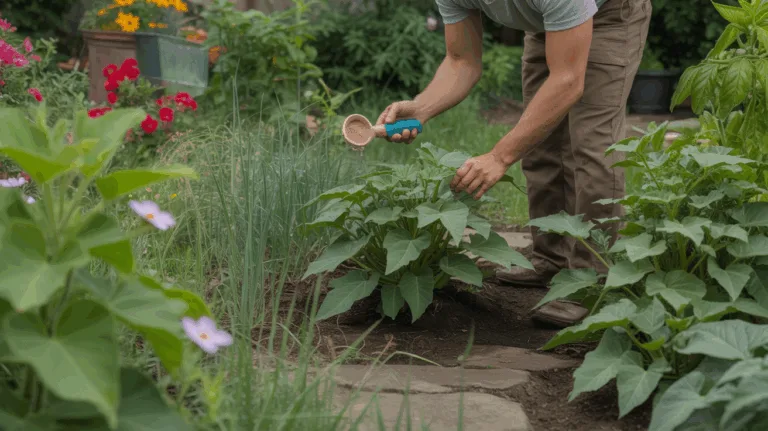
One of the primary benefits of FBW is its ability to act as a natural mulch. When applied to garden beds, FBW serves to protect soil from erosion, maintain moisture levels, and reduce weed growth. This natural barrier helps create an optimal growing environment, which is particularly advantageous for delicate seedlings.
Additionally, FBW contributes to enhancing soil structure and fertility. As it decomposes over time, it releases essential nutrients back into the ground, enriching the soil ecosystem. Gardeners using FBW may witness increased microbial activity, which is crucial for soil health, as well as improved moisture retention, thanks to the organic matter it provides.
Understanding the Characteristics of FBW
FBW consists of a blend of diverse wood types, allowing gardeners to benefit from the unique properties of multiple species. The composition of FBW can vary depending on the types of branches used, such as hickory, maple, or cherry. Each type of wood possesses characteristics that can influence soil enrichment and water retention differently.
Moreover, the size and texture of the chipped material contribute to its effectiveness in gardening. Smaller particles decompose faster, enriching the soil quicker, while larger pieces may provide longer-lasting mulch that gradually breaks down. Understanding these characteristics will allow gardeners to better select and apply FBW according to their specific gardening needs.
Innovative Applications of FBW
In the realm of organic gardening, FBW has been embraced for various applications. It can be utilized as a rich component in composting systems, where its fibrous nature encourages airflow and enhances decomposition rates. Furthermore, FBW can be mixed directly into the soil to improve its structure, particularly in areas with heavy clay or sandy compositions.
Another exciting application of FBW is in creating bioactive planting beds. When layered appropriately, FBW provides a habitat for beneficial organisms such as nematodes and earthworms, which play critical roles in maintaining soil health. These biotic interactions create a thriving ecosystem that further promotes plant growth.
The Future of Fragmented Branch Wood
As the emphasis on sustainable practices continues to rise, the use of FBW is poised to grow within both agricultural and horticultural sectors. Gardeners looking for eco-friendly alternatives are increasingly turning to FBW, recognizing its potential to reduce waste and enhance soil health.
By integrating FBW into their practices, gardeners not only contribute to the environment but also promote biodiversity, creating vibrant outdoor spaces that reflect a harmony between nature and cultivation.
Understanding Fragmented Branch Wood (FBW): What Is It?
Fragmented Branch Wood (FBW) refers to a unique category of wood derived specifically from the smaller branches of trees. This wood typically encompasses small to medium-sized branches that might otherwise go unused in traditional woodworking and landscaping. The term “fragmented” indicates the process through which these branches are broken down or chipped, resulting in a product that is both practical and beneficial for various applications.
FBW is gaining attention for its sustainable properties. By utilizing what would otherwise be considered waste from the forestry industry, we can contribute to practices that promote environmental health. This method of processing not only helps in reducing the amount of waste generated but also enriches the soil through its nutrient-rich organic matter. When used in mulching or soil amendment, FBW encourages biodiversity within gardens, providing a thriving ecosystem for beneficial organisms.
From the aesthetic point of view, FBW offers distinctive textural qualities that can enhance the visual appeal of outdoor spaces. When incorporated into landscaping designs, its rustic charm complements a variety of styles, from traditional to modern. As a garden designer, I find that FBW can add character and depth to landscapes, enhancing natural beauty while being eco-conscious.
Moreover, the use of FBW aligns perfectly with current trends in sustainable gardening and landscaping. Gardeners are increasingly seeking out methods and materials that reflect their commitment to the environment. FBW not only meets these requirements but also provides an opportunity to utilize every part of the tree, ensuring nothing is wasted. This holistic approach to gardening ultimately fosters a deeper connection to our surroundings, crafting landscapes that are informed by principles of sustainability.