Square Garden Planning: A Guide to Creating Your 3/4 Garden


Embarking on the journey of creating a beautiful and productive garden in a smaller footprint can be both exhilarating and challenging. With the right approach to square garden planning, you can transform your garden space into a lush, verdant paradise that maximizes yield and beauty in just three-quarters of a square foot. This guide provides step-by-step advice to help you optimize layout, choose compatible plants, and implement sustainable practices that will ensure your garden is thriving.
Welcome to the enchanting world of square garden planning, specifically tailored for those aiming to maximize the potential of a 3/4 garden layout. This guide will walk you through the essential steps and creative ideas to transform your garden space into a flourishing haven of productivity and beauty. Whether you’re a novice gardener or seasoned green thumb, the insights provided here will help you effectively organize and elevate your gardening game.
Understanding the Basics of Square Garden Planning
Square garden planning is a systematic approach that divides your garden space into manageable square units. This technique optimizes space utilization and simplifies management by focusing on one square at a time. The idea is to compartmentalize the garden into sections that can each be tailored to specific crops based on their needs, allowing for a diverse and abundant harvest from a modest area.
Designing Your 3/4 Garden Layout
Designing a 3/4 garden begins with a clear plan. Measure your garden area and divide it into squares, each typically 1×1 meter or yard, depending on your preference. This structuring not only aids in organization but also makes it easier to rotate crops, manage soil health, and organize pathways for easy access. Consider incorporating pathways around these squares to avoid stepping on the soil and compacting it, which can inhibit plant growth.
Choosing Plants for Each Section
When selecting plants, consider their growth habits, height, and compatibility with neighboring plants. You’ll want to plant taller plants like tomatoes or corn towards the back of the garden where they won’t shade shorter plants. Companion planting can also be beneficial, as certain plant combinations can deter pests and enhance growth without the need for chemical interventions.
Seasonal Planning and Crop Rotation
Effective square garden planning also requires thinking ahead about seasonal changes and crop rotation. Plant cool-season vegetables like lettuce and spinach in early spring, and follow them with warm-season crops like tomatoes and peppers in the summer. Crop rotation helps prevent soil depletion and reduces the likelihood of pest and disease buildup, fostering a healthier garden environment.
Tips for Soil and Water Management
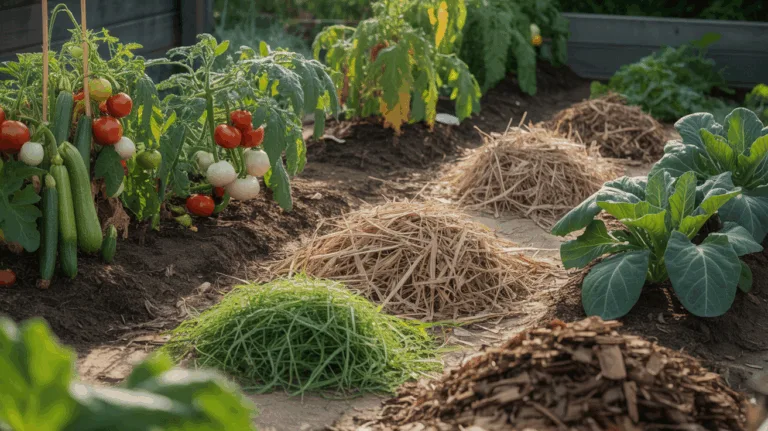
Good soil is the foundation of a successful garden. Enrich your garden squares with compost to improve soil structure and fertility. Mulching helps retain moisture and suppress weeds. Water management is crucial; consider drip irrigation or soaker hoses for efficient water use. These systems deliver water directly to the roots and minimize evaporation.
Making the Most of Your Space with Vertical Gardening
Don’t forget about vertical space! Utilizing trellises, stakes, and cages to support plants like cucumbers and beans can double or even triple your gardening space. This approach not only saves space but can also lead to healthier plants by improving air circulation and exposure to sunlight.
Implementing Technology in Garden Planning
Incorporate technology to enhance your gardening efficiency. Tools like smart garden devices can monitor moisture levels and deliver water only when needed, reducing waste and ensuring optimal plant growth. Additionally, explore online resources for tracking plant progress and planning future activities.
Preparing for Unique Challenges
Every garden faces unique challenges, from local climate conditions to specific pest threats. Adapt your square garden planning to include natural pest control and disease-resistant varieties. Staying proactive with regular maintenance such as pruning and deadheading will keep your garden healthy and productive.
Looking to the Future: Updates and Improvements
As your garden matures, keep notes on what works and what doesn’t, and make adjustments each season. Future expansions might include adding more squares or even incorporating new types of garden beds. Stay informed about upcoming trends and techniques by visiting gardening exhibitions and tours for fresh ideas and insights.
With these guidelines, your journey through square garden planning for a 3/4 garden will be enriching and rewarding, promising a lush, productive, and beautiful garden.
Mastering Your Square Garden
Embarking on the journey of square garden planning offers an exhilarating challenge that melds creativity with precision. The uniqueness of designing a three-quarter garden requires a fine eye for detail as each square foot is a precious real estate meant to optimize plant growth and garden health. This planning process not only maximizes space but also enhances the environmental conditions under which your plants will mature.
Starting with a clear vision is crucial. Envision the arrangement of your plants, keeping in mind their specific needs, such as sunlight and water. This foresight will foster a conducive environment for each plant, ensuring they don’t just survive but thrive. The layout should promote air circulation, limit plant overcrowding, and optimize pest control, which are vital elements to sustain a healthy garden ecosystem.
Moreover, the integration of seasonal planning can significantly influence the productivity and longevity of your garden’s life. Selecting the right plants for each season, understanding the lifecycle of your crops, and planning for succession planting are key strategies that help in maintaining a continuous harvest. Seasonal adjustments in your garden are not just about plant selection but also involve preparing and amending the soil to suit seasonal changes, providing adequate protection from weather extremes, and managing water resources efficiently.
Finally, while practicality is paramount, let your garden also reflect your personality and aesthetic preferences. The freedom to mix and match plants, colors, and structures can transform your garden into a vibrant tapestry that delights the senses. A well-planned square garden is not only an exercise in functionality but also a sanctuary of beauty that stands as a testament to your dedication and love for gardening.