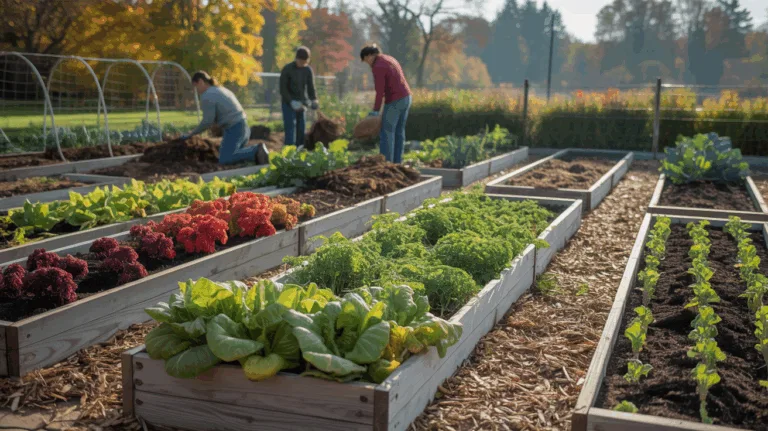
Square Gardening: Essential Concepts and Basic Principles for a Thriving Vegetable Patch


Imagine transforming a modest patch of your backyard or even a small balcony into a flourishing vegetable garden. Square foot gardening is a brilliant solution that maximizes productivity in minimal space. By dividing the garden into 1-foot square sections, this method not only simplifies garden management but enhances the aesthetic appeal of your green space. Let’s delve into the essential concepts and basic principles that make square foot gardening a rewarding endeavor for novices and seasoned gardeners alike.
Welcome to the enchanting world of square foot gardening, a method designed for those who desire a prolific vegetable garden but have limited space. This approach not only maximizes your garden’s yield per square foot but also simplifies garden management. Ideal for urban dwellers with small yards or balcony gardeners, square foot gardening introduces meticulous optimization of space while ensuring a beautiful, sustainable garden.
Understanding Square Foot Gardening
At its core, square foot gardening involves dividing the growing area into small square sections (typically 1-foot by 1-foot). Each square is planned to host a different plant, allowing for a diverse array of vegetables, herbs, and flowers within a compact area. This method is not only efficient but also offers an organized aesthetic appeal that is easy to maintain and harvest.
The Benefits of Minimal Space Use
One of the primary advantages of square foot gardening is its minimal spatial requirements. You don’t need vast amounts of land; a small plot, or even a modest balcony, can suffice. By concentrating your gardening efforts into compact areas, you use space more efficiently, making square foot gardening an ideal solution for urban settings.
Optimizing Every Inch
With the principle of constrained space comes the importance of optimizing every inch. This dense planting method not only saves space but can also help in reducing water usage, as you can water directly at the base of each plant, minimizing waste. The tight arrangement helps in maintaining soil moisture and reduces weed growth, diminishing the need for frequent watering and weeding.
Blending Functionality with Aesthetics
Combining practicality with beauty, square foot gardens lend themselves to decorative as well as functional purposes. The geometric arrangement allows gardeners to create visually appealing patterns. Mixing vegetables with flowers and herbs can not only enhance your garden’s beauty but also promote biodiversity, which benefits plant health and growth.
Reducing Garden Maintenance
The compact nature of square foot gardens simplifies maintenance tasks. Since every square is accessible, tasks like planting, weeding, and harvesting become more manageable and less time-consuming. This methodical approach significantly cuts down the daily garden upkeep, allowing more time to enjoy the delights of gardening.
Ergonomic Garden Layout
The organization into squares ensures that you can reach each plant easily without the need to step on the soil. This accessibility is particularly beneficial for those with limited mobility, as it makes gardening an enjoyable activity for everyone.
Challenges and Considerations
However, the square foot gardening method is not without its challenges. Planning is essential—you must consider the specific needs of each plant regarding sunlight and space. Additionally, crop rotation and plant diversity are critical to preventing soil depletion and controlling pests and diseases.
Building and Managing a Square Foot Garden
Setting up a square foot garden requires initial planning and some infrastructure investment, such as building raised beds and possibly installing irrigation systems. Understanding which plants are compatible and how tall they grow are crucial to avoid shading smaller plants. Additionally, thoughtful planning of planting times can ensure a continuous harvest throughout the growing season.
Interested in experimenting with vertical gardening? Discover more at Why Should You Consider Vertical Gardening for Small Spaces? Moreover, stay updated on the latest in square foot gardening at Square Foot Gardening Guide.
For enthusiasts looking to enhance their urban green spaces, this method could significantly impact your daily interaction with nature and your self-sustainability efforts. Every square in your garden is a step closer to a sustainable, efficient, and fulfilling gardening experience.
Essential Insights into Square Gardening
The beauty of square gardening lies in its simplicity and efficiency, making it an excellent choice for both novice and experienced gardeners alike. The core idea is to create a structured, densely planted garden that uses space economically and reduces maintenance efforts. By organizing the garden into distinct one-square-foot sections, each area can be managed independently, which helps in minimizing waste and maximizing productivity.
This method showcases a brilliant marriage of utility and aesthetics, offering an organized canvas that not only serves the practical purpose of food production but also contributes to the visual appeal of your space. Whether in a small backyard, an urban balcony, or a sizeable garden, the square gardening model can be adapted to fit various scales and settings. The compact nature of the beds allows for easy reach and maintenance, reducing the physical strain often associated with gardening.
Another compelling aspect is the ecological benefit. Typically, square gardens require less water as the concentrated planting minimizes evaporation, and each plant gets exactly what it needs at the root level. The design also promotes a healthier plant environment with reduced risks of disease spread, considering the spacing and companion planting strategies that can be employed. Maintenance tasks like weeding become more manageable due to the organized nature of the garden. However, potential gardeners should be aware that while physical labor decreases, planning and strategic thinking increase. Picking the right plant combinations and placements demands careful consideration to prevent issues such as shading or competition for nutrients.
As with any gardening method, square gardening comes with its challenges. Keeping the soil nourished in such an intensively farmed small area requires diligence in crop rotation and soil enrichment practices. Moreover, purchasing plants can sometimes be trickier, necessitating more precise quantities to avoid waste, but this can be mitigated by collaborating with fellow gardeners or choosing to start plants from seeds.