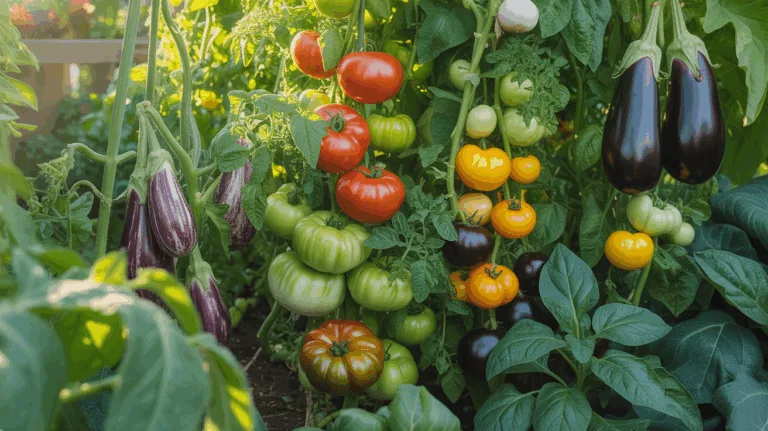
When the Square Vegetable Garden Transforms into a Rectangle


Imagine a vibrant patchwork quilt laid upon the earth, each panel bursting with verdant life. This is your square vegetable garden, a verdant playground of symmetry. But as needs change, so must our spaces. Let’s explore the enchanting evolution from a square to a rectangular vegetable garden, revealing not only a transformation in shape but also an expansion in possibilities and productivity.
Exploring the transformation of a square garden into a rectangular space not only requires a shift in physical dimensions but also a thoughtful consideration of gardening practices, spatial optimization, and potential improvements in crop cultivation. This article delves into why gardeners may choose this transformation, the challenges they might face, and the unexpected benefits that can arise.
Understanding the Motivation Behind the Change
At the heart of reshaping a square vegetable garden into a rectangle often lies the quest for more efficient use of space, better sun exposure, or the need to accommodate more diverse plant types. Especially in urban areas, where space is a precious commodity, maximizing the productive area of a garden is crucial.
The Geometry of Transformation
Transitioning from a square to a rectangular garden involves more than just extending boundaries. It requires precise geometric calculations to ensure that the newly shaped garden maximizes area and sunlight exposure while maintaining soil health and accessibility.
Navigating Challenges in Redesign
One of the primary challenges of this transition is the potential for disrupted soil quality and microenvironments that previously supported plant growth. Additionally, irrigation systems and pathways may need reconfiguration to suit the new dimensions.
Optimizing Crop Arrangement
In a rectangular setup, arranging crops in rows that run perpendicular to the longest side can significantly increase light distribution and ease of access. This alignment allows for more plants to receive adequate sunlight throughout the day, which is crucial for growth and fruit production.
Benefits of a Rectangular Design
The rectangular shape often allows for better separation of different crop types, facilitating crop rotation and pest management. Moreover, this shape can more easily accommodate trellises, frames, and other vertical gardening aids, enhancing the productivity per square foot.
Technological and Innovative Approaches
Modern gardening technologies and innovative practices can also play a significant role when transforming the shape of a garden. Soil sensors, drip irrigation systems, and space-optimized plant varieties are just a few examples that can be integrated to enhance garden efficiency and productivity.
New Opportunities for Garden Expansion
The extended length of a rectangular garden can open up new possibilities for including a greater variety of plants, including sprawling vine crops and larger root systems, which might not have been feasible in a square layout.
Community and Aesthetic Impact
The transformation from a square to a rectangular garden can also affect the garden’s aesthetic and its integration into community spaces. Longer, narrow plots can provide more engaging and continuous green vistas in urban settings, contributing positively to community well-being and environmental quality.
Strategic Insights and Future Outlook
As more gardeners adopt rectangular vegetable gardens, it will be important to document and share successful strategies and outcomes. This collective knowledge can help refine gardening techniques and encourage more people to consider garden transformations as a viable strategy for enhancing their gardening endeavours. Learn more about garden expansions and the strategic advancements in botanic layouts.
Further Resources and Guidance
For those interested in exploring more about vegetable garden shaping or seeking advice on managing a rectangular garden, resources are available through various gardening blogs, extension services, and community forums. Stay updated on the latest garden innovations and discover customized gardening services that can transform your gardening practice.
Transforming Garden Shapes: From Square to Rectangle
When we delve into the mathematics of garden shapes, the transition from a square vegetable garden to a rectangular one isn’t just a whimsical change—it’s a strategic move that can significantly alter the dynamics of gardening. Each shape has its own pros and cons, affecting everything from the ease of maintenance to the optimization of growing space. Consider the square garden, with its equal sides providing simplicity in design and uniformity in sun exposure. It excels in maximizing area with the least amount of fencing required per unit area, an ideal choice for small to medium-sized plots.
However, the shift to a rectangular form can unveil new advantages, particularly in the utilization of space and adaptation to environmental elements. By elongating one dimension, gardeners can make better use of narrow or awkwardly long areas that a square cannot conform to without wasting space or access. This means that rectangles can be far more flexible in urban or sub-urban environments where space is at a premium.
Furthermore, a rectangular garden might align better with the path of the sun, ensuring plants receive ample light throughout the day—a critical factor in growing healthy produce. This orientation can also facilitate easier access to rows of crops for maintenance, harvesting, and monitoring, improving ergonomic efficiency for the gardener in the long run.
In essence, while both shapes hold significant merit, the choice often boils down to the specific needs and conditions of the garden space. The transformation from a square to a rectangle can symbolize a garden’s evolution and a gardener’s response to changing circumstances, embracing both practicality and creative garden design.