
Essential Fall Gardening Tips to Prepare and Protect Your Outdoor Space for the Future
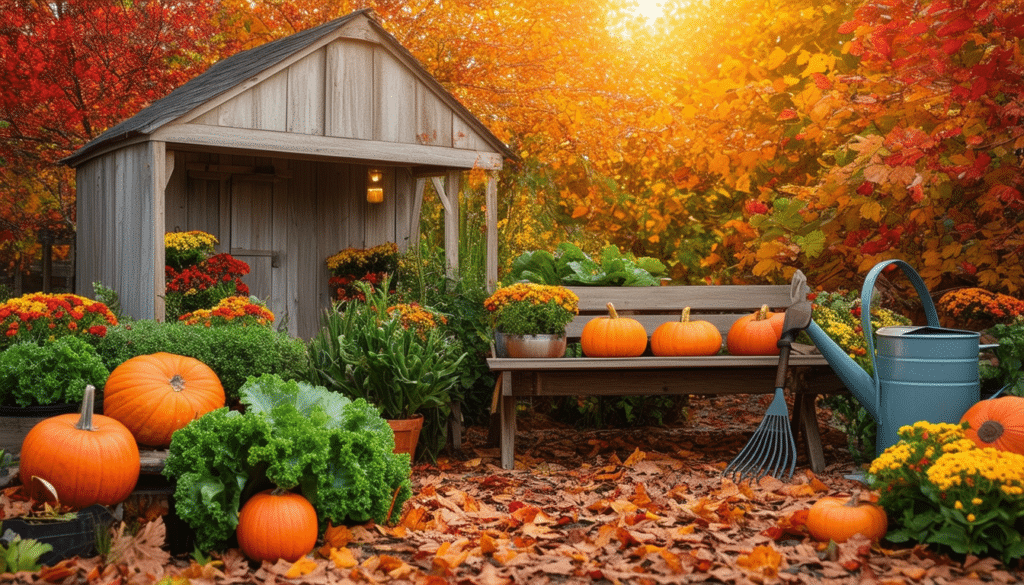
As summer gracefully bows out, it’s time to turn our attention to fall—a season brimming with opportunities to prepare and protect your garden for the future. From tidying up and pruning to soil revitalization and planting cover crops, each task plays a vital role in ensuring a fruitful growing period come spring. Here’s your ultimate guide to essential fall gardening tips that will transform your garden into a paradise for the upcoming season.
Tidy Up In and Around the Garden
The first step to a successful fall garden is a thorough cleanup. Remove any dead or decaying plant matter, fallen leaves, and other debris that may harbor pests or diseases. This simple task not only maintains the aesthetics of your garden but also creates a healthier environment for your plants. Don’t overlook the importance of weeding; it keeps unwanted plants from competing with your garden’s future residents.
Prune Perennials and Shrubs
Pruning is a crucial element of fall gardening. Identify which plants have outgrown their space and need to be divided, transplanted, or pruned. Focus on perennials and shrubs, giving them a trim to encourage healthy growth. Proper pruning can also enhance air circulation, minimizing the risk of fungal diseases.
Protect Tender Plants
As temperatures drop, tender plants may need extra protection. Consider using cloches, blankets, or specialized plant covers to shield them from the cold. For an added layer of defense, you can even move potted plants indoors or to a sheltered spot.
Revitalize the Soil
Autumn is the perfect time to breathe new life into your soil. Test the soil to determine its nutrient levels and pH, then amend it accordingly with compost, well-rotted manure, or other organic matter. This enriches the soil, fosters beneficial microbial activity, and prepares it for the next growing season.
Mulch Your Garden Beds
Mulching your garden beds is a multi-benefit task that helps control weeds, retains soil moisture, insulates the ground, and adds vital organic matter. Try using a combination of shredded leaves, bark, or straw to create a nourishing layer that will protect your soil through the winter.
Plant Cover Crops
Cover crops like clover or rye can be planted in the fall to prevent soil erosion and add organic matter. These plants also help break up compacted soil and enhance its structure, making it more fertile and easier to work with in the spring.
Autumn-Flowering Perennials
Select and plant autumn-flowering perennials such as sedums, asters, and chrysanthemums. These hardy plants can withstand cooler temperatures and add vibrant colors to your garden, extending its beauty well into the late fall. For more inspiration, explore revamped Chinese and Japanese gardens featuring a serene waterfall and unique “breathing gallery” here.
Fall Tillage
Fall is an ideal time for tillage to prepare your garden beds for next season. Turning the soil helps incorporate organic amendments like compost and disease-free garden waste, improving its structure and fertility. A well-prepared bed enhances root development and boosts plant health in the spring.
Planting Schedule
Aim to plant your fall garden 6-8 weeks before the first expected frost in your area. This allows time for plants to establish their roots before winter sets in. Whether you’re planting vegetables or perennials, proper timing is key to a flourishing fall garden.
Supporting Pollinator Populations
Maintaining a pollinator-friendly garden year-round involves having flowering plants even during the cooler months. This ensures that vital pollinators like bees and butterflies have a consistent food source. Learn more about the importance of sustaining pollinator populations here.
Pest Control
Autumn is also a good time to take preventive measures against garden pests. Discover the shocking secret to keeping pests away here. Natural repellents and traps can reduce the likelihood of infestations, ensuring your garden remains healthy and vibrant.
Fall Fertilization
Fertilizing in the fall provides essential nutrients that help plants store energy for winter and promote robust growth in the spring. Choose a balanced fertilizer tailored to your soil’s needs, ensuring that your garden receives the nourishment it requires.
Creating a Low-Maintenance Garden
Consider adopting low-maintenance practices that allow you to enjoy your garden without constant upkeep. Implementing drip irrigation systems, choosing native plants, and utilizing mulch can make gardening less labor-intensive and more enjoyable.
This fall, embrace the season of transformation and prepare your garden for a flourishing future. For more tips and inspirations, check out the year-round beauty of Adele’s garden here and discover which plants can turn your space into a paradise here.
As the golden hues of autumn take over, preparing your garden for the transitional season is essential. Start by identifying which plants are outgrowing their space and need to be divided, transplanted, or pruned. This simple step will ensure that your garden remains vibrant and healthy.
Next, it is vital to tidy up in and around the garden. Removing debris, fallen leaves, and dead plants helps to prevent the spread of diseases and pests. This clean slate will create a healthier environment for your plants to thrive.
One crucial task is to prune perennials and shrubs. Cutting back overgrown branches not only shapes the plants but also encourages new growth in the upcoming seasons. Additionally, don’t forget to protect tender plants from the impending cold. Whether you use cloches, mulch, or simply relocate them indoors, safeguarding these plants will ensure their survival through winter.
Revitalizing the soil is another key step. Add organic matter such as compost or well-rotted manure to enrich the earth and prepare it for new plantings. This not only improves soil structure but also boosts its fertility.
Addressing weeds at this time is paramount. De-weed the garden to prevent them from competing with your plants for nutrients and sunlight. A mulch layer will help block weeds, maintain moisture, and insulate the soil, contributing to a thriving garden.
Before winter sets in, test the soil to evaluate its pH and nutrient levels. This assessment will guide any amendments needed, ensuring a nutritious growing medium come spring. Moreover, consider planting cover crops to protect the soil from erosion and improve its quality.
Plan your fall garden at least 6-8 weeks before the first expected frost. This gives plants adequate time to establish their roots. Including autumn-flowering perennials like sedums, asters, and chrysanthemums can infuse vibrant hues into your garden during the cooler months.
Lastly, consider fall tillage. This process benefits your garden by breaking up compacted soil and incorporating organic matter deeper into the ground. It sets the stage for a robust garden in the coming year.
By following these essential tips, you can prepare and protect your garden, ensuring it remains a flourishing sanctuary throughout the seasons.