What is the Best Mulch for Your Vegetable Garden?

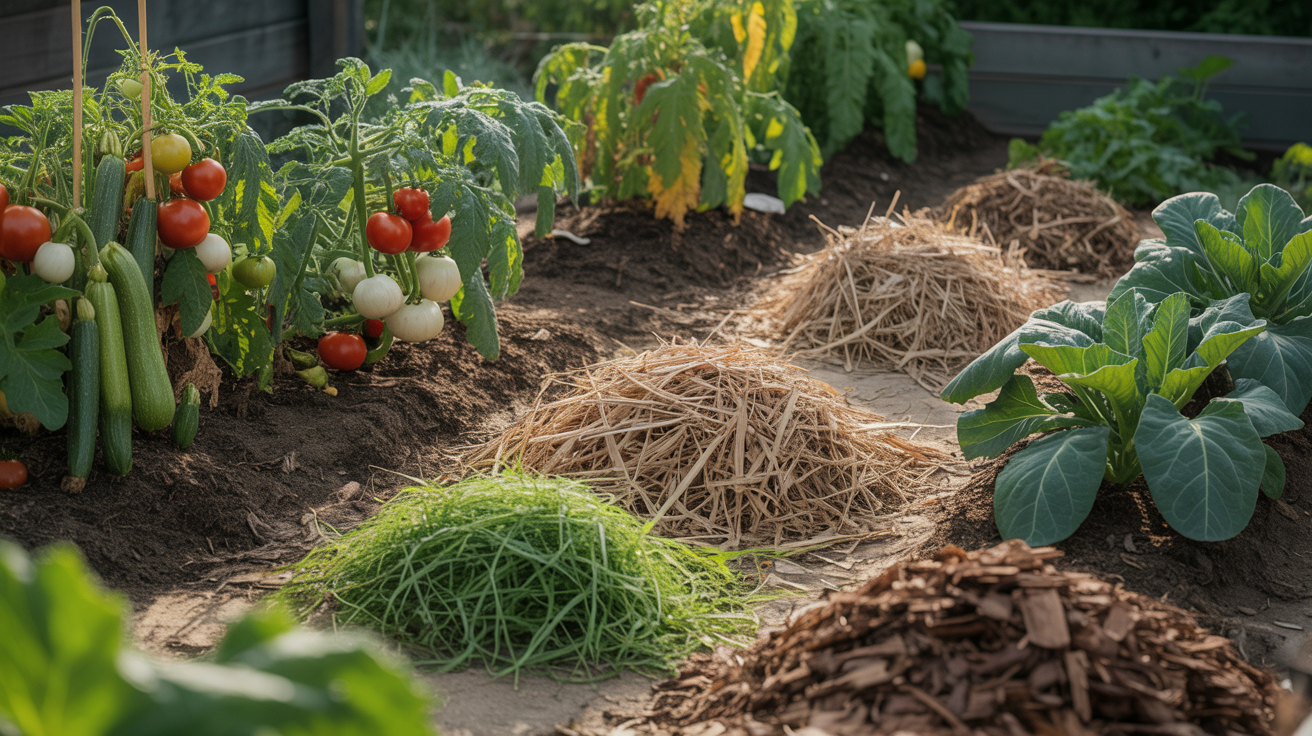
Welcome to the world of gardening, where the right mulch can serve as a game-changer for your vegetable garden. But what is the best mulch for your beloved plants? Understanding the various types of mulch and their benefits can make all the difference in achieving a thriving garden. From enhancing soil moisture retention to suppressing weeds and enriching the soil, the right choice of mulch can set your vegetable garden on the path to success. Let’s explore the various options available and discover how to select the perfect mulch for your needs!
When it comes to nurturing a thriving vegetable garden, selecting the best mulch can make all the difference. Mulch serves as a protective barrier that aids in weed suppression, moisture retention, and soil enrichment. If you’re ready to delve into the wonderful world of gardening, let’s explore the various types of mulch available and discover which is the best fit for your vibrant veggie patch!
The Importance of Mulching
Mulching your vegetable garden offers numerous benefits, and understanding these can enhance the way you approach your gardening tasks. Not only does mulch help in controlling weeds, but it also conserves soil moisture, thereby preventing the dreaded drought-related issues such as blossom end rot of tomatoes. When applied correctly, mulch can significantly improve the health of your plants, giving them the best chance to thrive.
Best Types of Mulch
Compost
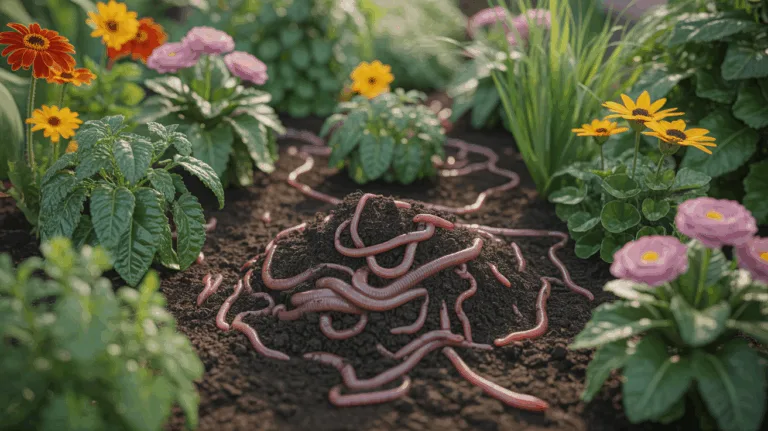
Compost stands out as one of the most nutrient-rich options available. It not only acts as a mulch but also enriches the soil with essential nutrients needed for healthy plant growth. Applying compost as mulch can help maintain consistent soil moisture levels while simultaneously adding organic material as it breaks down.
Wood Chips
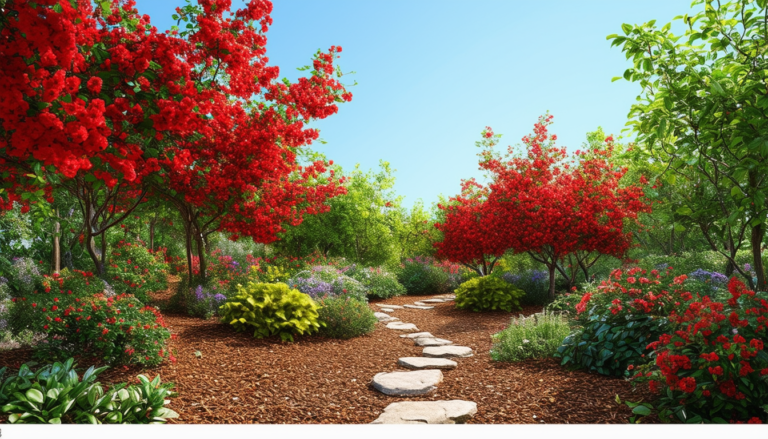
Wood chips provide a visually appealing organic mulch that works well for pathways and between rows. They break down slowly, making them an excellent choice for long-term use in the garden. Wood chips also assist in moisture retention and can prevent soil erosion.
Straw and Hay
Straw and hay are great options for mulching, particularly in vegetable gardens. These materials are light, easy to spread, and help with moisture retention. They also add organic matter to the soil as they decompose, enhancing overall soil fertility. However, be cautious with hay, as it may contain weed seeds.
Grass Clippings
Another budget-friendly option is using grass clippings. After mowing your lawn, simply collect the clippings and spread them around your vegetables. Grass clippings decompose quickly, releasing valuable nutrients back into the soil. Just ensure they are dry and spread in thin layers to prevent matting.
Shredded Leaves
Utilizing shredded leaves is an eco-friendly choice that many gardeners overlook. This mulch type is free and can be an incredible addition to your garden. Leaves break down over time and enrich the soil, while also suppressing weeds and conserving moisture.
Plastic Mulch
Plastic mulch is an effective, though synthetic, option for some gardeners. It provides excellent weed suppression and conserves soil temperature and moisture. However, it does not contribute organic material to the garden and should be removed at the end of the season.
When to Apply Mulch
Timing is everything when it comes to mulching. The best time to apply mulch is typically in mid-spring when temperatures rise and soil begins warming up. Be cautious and avoid mulching too early in the season, as it can hinder the warming process, which is essential for plant growth. It’s also beneficial to mulch again in the fall to protect and insulate the garden during winter months.
Combining Mulch Types
Don’t feel pressured to limit yourself to just one type of mulch! Mixing and matching different varieties can yield the best results for your garden. Experimenting with compost topped with wood chips or grass clippings combined with shredded leaves can create a diverse environment where your vegetables can thrive.
Final Thoughts
Choosing the right mulch for your vegetable garden is essential in creating a healthy and productive environment for your plants. By considering options like compost, wood chips, straw, grass clippings, shredded leaves, and even plastic, you can ensure that your garden receives the protection and nourishment it needs. Each of these options has unique benefits, allowing you to tailor your mulching strategy to fit your garden’s specific needs.
If you’re looking for more gardening tips or specific guides on planting and nurturing your vegetables this season, check out our articles on Zucchini Varieties and Growing Zucchini Successfully.
Finding the Best Mulch for Your Vegetable Garden
Choosing the best mulch for your vegetable garden is an essential task that can significantly impact your plants’ health and productivity. Mulch serves various functions, including weed suppression, moisture retention, and soil temperature regulation. By adding a protective layer over the soil, you enhance not only the growth environment for your vegetables but also improve overall soil quality.
When it comes to selecting mulch, several options stand out for their benefits and ease of use. For instance, compost is a fantastic choice as it enriches the soil while providing the nutrients necessary for vigorous plant growth. Moreover, using organic materials like straw, grass clippings, or shredded leaves can add a natural touch and promote biodiversity within your garden.
Timing is another crucial factor to consider. Ideally, mulching should take place in mid-spring, when the soil begins to warm up. This ensures that you avoid potential complications caused by mulching in colder temperatures, which can slow down the warming process of the soil. It’s also important to note that you can combine various mulch types to suit the specific needs of your garden, taking advantage of what’s readily available in your area.
Utilizing black plastic or landscape fabric is another method that can effectively control weeds and retain moisture, particularly in regions with hotter climates. It’s important to keep in mind that while these materials can offer immediate benefits, they might not provide the long-term nutrient input of organic mulches.
Ultimately, the right mulch does more than just beautify your garden; it creates a thriving ecosystem that supports the health of your vegetable patch. Tailoring your mulch choices based on your garden’s unique conditions can lead to a bountiful, productive harvest.