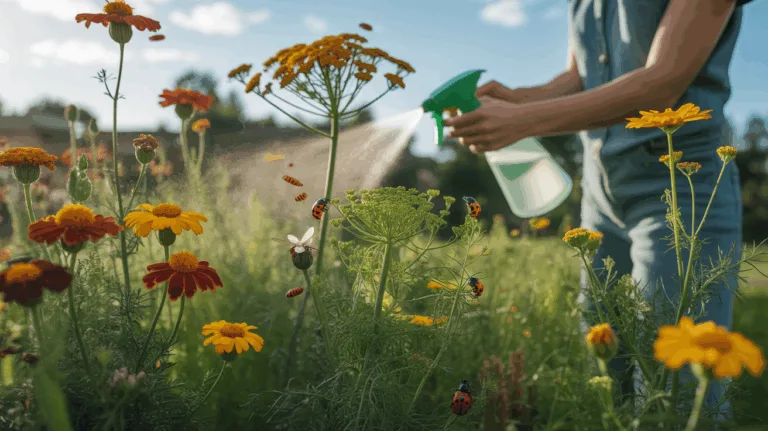
Which Flowers are Best for Safeguarding Your Vegetable Garden?

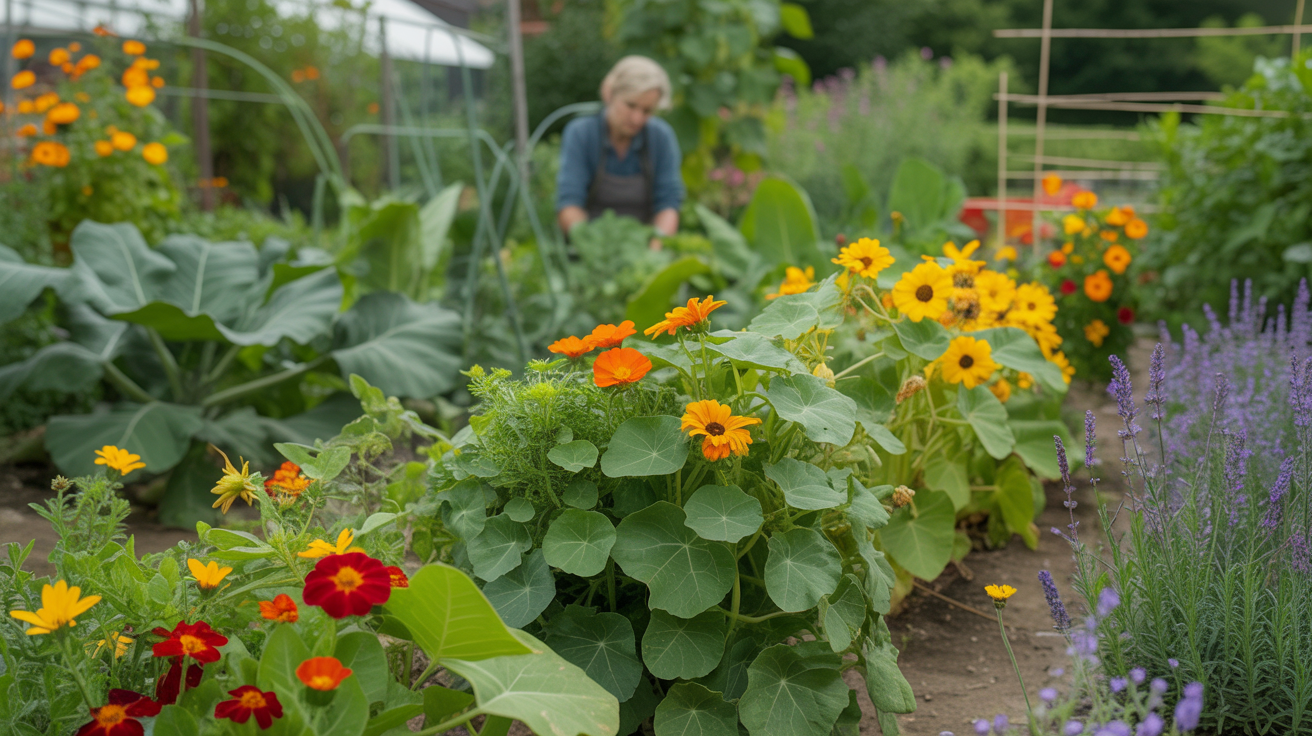
When it comes to maintaining a flourishing vegetable garden, incorporating flowers can be a game changer. Not only do they add a burst of color and beauty to your outdoor space, but certain flowers also work hard to safeguard your plants. These vibrant companions can act as natural pest repellents, attract beneficial insects, and enhance soil health. By choosing the right flowers, you can create a thriving ecosystem that supports both your veggies and your garden’s overall health, ensuring a bountiful harvest. Let’s explore the best floral allies that will help protect and rejuvenate your vegetable haven!
Creating a bountiful vegetable garden is an exciting endeavor, but it can also come with its share of challenges, particularly when it comes to pests and diseases. One of the most effective strategies for safeguarding your plants is the integration of flowers that can provide both beauty and protection. In this article, we’ll explore the best flowers to plant alongside your vegetables, highlighting their unique benefits in promoting a healthy garden environment.
The Benefits of Incorporating Flowers into Your Vegetable Garden
Introducing flowers into your vegetable garden does more than just elevate the aesthetic appeal; it serves as a natural strategy to enhance biodiversity, attract pollinators, and deter harmful pests. Many flowers are known to repel insects that can damage your crops while attracting beneficial insects that assist in pollination. Such a thoughtful arrangement allows for improved growth and increased resilience in your gardening space.
Marigolds: Nature’s Pest Deterrents
One of the most popular choices for vegetable gardens are marigolds. These vibrant blooms are not only cheerful but also act as excellent pest repellents. Their strong scent keeps aphids, nematodes, and other unwanted pests at bay, while simultaneously improving soil health. Planting marigolds among your vegetables can create a proactive defense mechanism for your garden.
Nasturtiums: A Colorful Companion with Benefits
Nasturtiums are another fantastic flower to consider. These charming blooms not only add a splash of color, but their peppery taste also helps to repel aphids and whiteflies. Furthermore, nasturtiums can serve as sacrificial plants, drawing pests away from your more valuable crops. Their leaves are edible too, allowing you to enjoy the fruits of your labor in more than one way!
Sunflowers: Tall Guardians of the Garden
Sunflowers bring a unique presence to vegetable gardens, standing tall while offering numerous benefits. Not only do they attract a wealth of beneficial insects like bees and butterflies, but they also help to shade smaller plants that may require protection from intense sunlight. Moreover, their tall stature serves as a natural barrier for some pests, making them a valuable ally in your gardening efforts.
Lavender: The Scent of Protection
With its irresistible aroma, lavender not only enhances the sensory experience of your garden but also acts as a powerful pest repellent. This herbaceous flower can keep away ticks, deer, and moths, ensuring a safer growing environment for your veggies. Beyond pest control, lavender also attracts lovely pollinators that contribute to your garden’s overall health.
Calendula: A Blooming Powerhouse
Calendula, or pot marigold, is a versatile flower that adds both color and practicality to your vegetable garden. Their vibrant petals attract pollinators while effectively deterring harmful pests, making them a mainstay in any garden plan. Additionally, planting calendula can help to improve soil nutrients, creating a healthier growing environment for your vegetables.
Maximizing Growth with Companion Planting
As you incorporate these protective flowers into your garden, consider employing the technique of companion planting. This practice involves strategically planting different species in proximity to one another to enhance health and productivity. For example, the combination of marigolds and tomatoes can yield extraordinary results, with marigolds helping to deter pests that are typically attracted to tomato plants.
Spacing and Care: Key to Success
When planting flowers within or around your vegetable garden, ensure proper spacing and care for both the flowers and the vegetables. Each plant species has its unique needs regarding sunlight, water, and soil conditions. Pay close attention to these factors to maximize the growth potential of both your vegetables and your companion flowers.
Resources for Successful Gardening
To support your gardening journey, consider utilizing resources such as guides on safeguarding your plants and strategies for pest control. Additionally, exploring tips for enhancing your garden’s productivity can make your vegetable garden the thriving oasis you’ve always dreamed of.
Integrating flowers into your vegetable garden might just be one of the best decisions you’ll make. With their numerous advantages, you’ll find yourself rewarded with a beautiful, vibrant, and productive gardening space!
“`html
When it comes to protecting your vegetable garden, integrating flowers is an essential strategy every gardener should consider. Flowers not only enhance the visual appeal of your garden but also serve practical purposes that can significantly benefit your crops. By attracting beneficial insects and deterring harmful pests, specific flowers act as a natural safeguard, ensuring a healthy growing environment for your vegetables.
For instance, marigolds are renowned for their ability to repel a variety of harmful bugs while improving soil health at the same time. These vibrant blooms can be planted alongside vegetables to create a protective barrier. Similarly, nasturtiums are not only beautiful, but they also attract aphids away from your vegetable plants, acting as a sacrificial crop that draws pests away where they can do no harm.
Another excellent choice is lavender, known for its delightful fragrance and ability to keep dangerous critters like ticks at bay. It thrives well in sunny spots and can create a picturesque and aromatic border for your vegetable garden. Furthermore, integrating flowers like sunflowers into your garden can provide not just visual appeal but also attract pollinators, enhancing overall crop productivity.
In conclusion, the best flowers for safeguarding your vegetable garden go beyond mere aesthetics. They play a crucial role in pest management, pollination, and enhancing soil nutrients. By thoughtfully selecting and planting these companion flowers, you can create a thriving, beautiful, and productive vegetable garden that flourishes with nature’s balance.