Effective Tips to Combat Aphids in Your Garden

Welcome to the vibrant world of gardening, where your beloved plants can thrive in stunning outdoor spaces! However, even the most flourishing gardens can be challenged by pesky invaders like aphids. These tiny pests can wreak havoc by sucking sap and damaging your plants, leading to stunted growth and wilted leaves. But fear not! With a variety of effective tips and natural methods at your disposal, you can easily combat these unwanted visitors and ensure a healthy and flourishing garden. Let’s delve into the strategies that will help you protect your plants while nurturing a diverse and thriving ecosystem!
Aphids are among the most troublesome pests for garden lovers, leaving a trail of destruction in their wake. These tiny insects cause damage such as browning, curled leaves, and stunted growth. Fortunately, there are several effective tips to combat aphids and protect your garden’s beautiful plants. This article will explore natural methods, expert advice, and successful strategies to rid your outdoor space of these pests.
Identifying Aphids in Your Garden
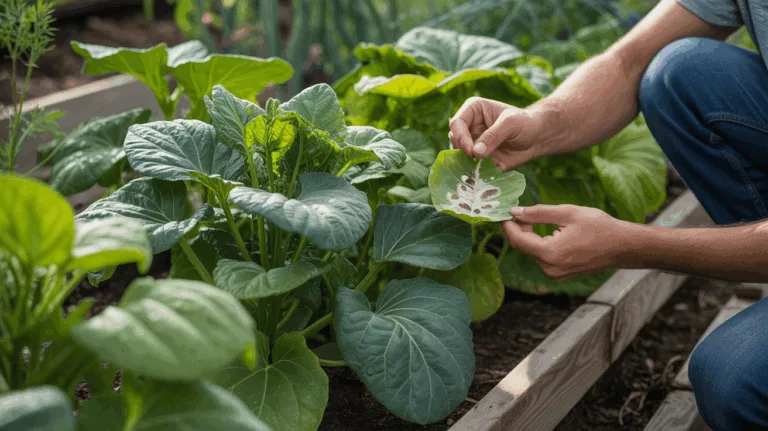
The first step in managing aphids is recognizing their presence. These small insects come in various colors, including green, black, and yellow. Look for them on the undersides of leaves or clustered around soft new growth. Check for the symptoms of aphid damage such as distorted leaves, sticky deposits (honeydew), and sooty mold.
Natural Predators: Harnessing Beneficial Insects
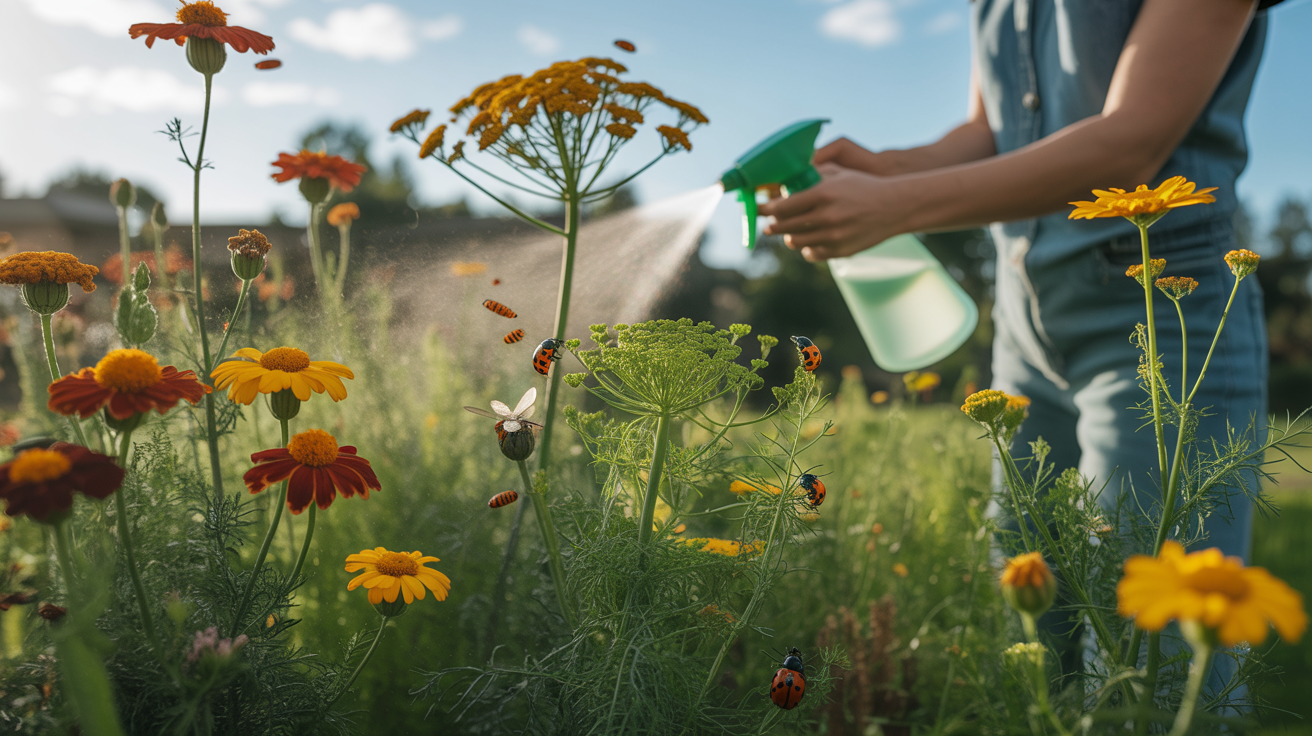
One effective way to control aphid populations is by attracting beneficial insects that feed on them, such as ladybugs and lacewings. Plant flowers like yarrow, dill, and fennel to create a welcoming habitat for these natural predators in your garden. Their voracious appetite for aphids can significantly reduce their numbers without harming the ecosystem.
Natural Remedies for Aphid Control
Experiment with homemade sprays to combat aphids naturally, using ingredients like soap or neem oil. A simple mixture of water and mild dish soap can suffocate these pesky insects when sprayed directly on them. Always test a small area of the plant first to ensure it won’t cause damage. Discover more about using neem oil and its amazing properties for natural pest control here.
Water Sprays: A Simple Solution
Using a strong jet of water can dislodge aphids from your plants. This method is particularly useful for minor infestations. Make sure to spray early in the morning or late in the afternoon to avoid putting stress on the plants during the hottest parts of the day. Regular rinsing can keep your plants healthy and aphid-free!
Companion Planting: A Strategic Approach
Utilize the art of companion planting to naturally deter aphids. Some plants, like marigolds and garlic, emit scents that repel aphids, making them less likely to invade your vegetable patch. Integrating these plants into your garden beds can create an enticing and dynamic ecosystem.
Regular Maintenance Practices
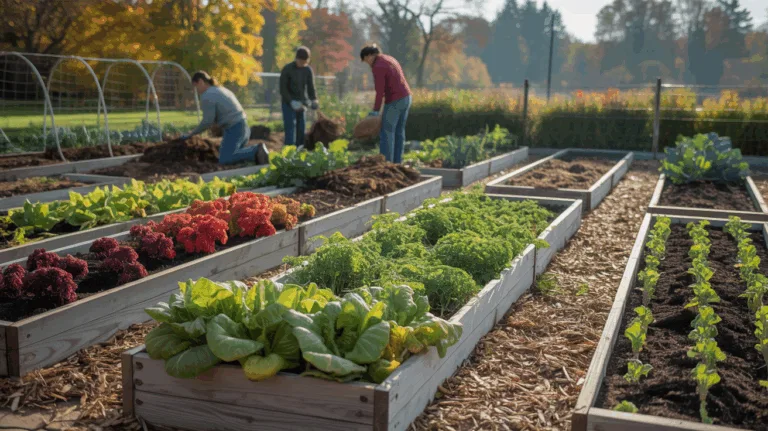
Keep your garden tidy and healthy by regularly removing any dead or decaying plant material. Aphids thrive in overgrown and unhealthy conditions, so maintaining proper spacing and airflow between plants is crucial. Regularly inspecting your plants can help you catch aphid infestations before they escalate into significant problems.
Addressing Severe Infestations
For more serious aphid issues, consider using insecticidal soaps or other organic solutions. However, always prioritize natural and eco-friendly options first. If you need further help, there are various resources on natural insecticides, including a deep dive into the medicinal benefits of tansy here.
Creating a Thriving Garden Ecosystem
Investing in a holistic approach to pest management can create a thriving garden ecosystem. Strategies such as crop rotation, diversity in plant types, and inviting beneficial wildlife can foster a balanced environment and help keep aphids at bay. Explore creative ideas to enhance your garden’s design for ultimate harmony and productivity here.
Garden enthusiasts need not despair in the face of aphids. By employing these effective strategies and fostering a nurturing environment, you can successfully combat aphid infestations while maintaining a healthy, beautiful garden. Embrace these natural solutions and watch your plants flourish!
Aphids can be a gardener’s worst nightmare, as these tiny pests multiply quickly and can cause severe damage to your plants. To effectively combat them, early identification is crucial. Regularly inspect your plants for signs of aphid infestations, such as curled leaves, yellowing foliage, and a sticky residue known as honeydew. Spotting these indicators early can help you take action before the infestation escalates.
Natural remedies are an excellent first line of defense. One effective method includes using a spray made from water, dish soap, and neem oil. This solution works by suffocating the aphids and disrupting their life cycles. Additionally, introducing beneficial insects like ladybugs can provide natural control, as they feast on aphids and help maintain a healthy ecosystem in your garden.
Another practical approach involves using homemade repellents, such as garlic or hot pepper sprays. These mixtures not only deter aphids but also enhance the overall health of your plants. Remember to test any concoction on a small area before applying it to the entire plant. This ensures no adverse reactions occur.
To further enhance your garden’s resilience against aphids, consider diversifying your plant selection. Certain plants, such as marigolds and nasturtiums, can repel aphids and attract beneficial insects. Crop rotation and proper plant spacing will also aid in preventing infestations, as crowded plants are more susceptible to pest problems.
Lastly, be diligent in monitoring your garden and employing these strategies consistently. By staying proactive, you will not only combat aphids but also foster a thriving garden that is both beautiful and productive. Remember that cultivating a healthy ecosystem is the key to long-lasting pest control.