Managing Fungal Infections and Mold in Your Vegetable Garden

Fungal infections and mold can pose significant challenges for any vegetable garden enthusiast. These unwelcome guests thrive under the right conditions, often leading to devastating effects on our beloved plants. Understanding how to recognize the signs of fungal diseases, implementing effective management strategies, and maintaining a healthy garden ecosystem are essential steps in safeguarding your crops. With the right knowledge and tools, you can create a thriving vegetable garden free from the detrimental impacts of fungal infections and ensure a bountiful harvest season after season.
Fungal infections and mold can be a gardener’s worst nightmare, affecting the vitality and beauty of your plants. Understanding how to identify, manage, and prevent these pesky problems is essential for maintaining a healthy vegetable garden. In this guide, we will explore effective strategies, key symptoms, and actionable steps to help you combat fungal issues effectively and keep your garden flourishing.
Identifying Fungal Infections
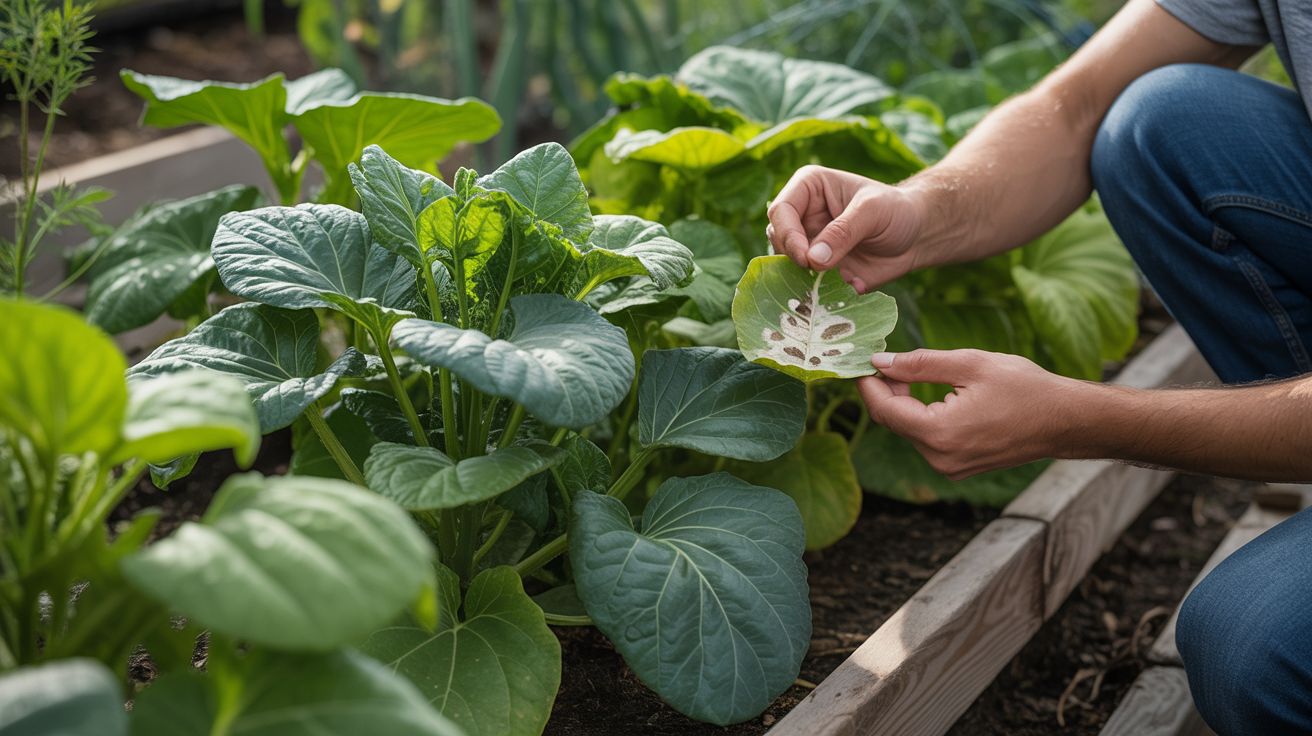
Recognizing the early signs of fungal infections is crucial in minimizing damage to your plants. Common indicators include discoloration, wilting, and the presence of mold. For instance, yellow or brown spots on leaves often signify a fungal problem. Observing moldy growths, such as powdery mildew, can lead to further deterioration if not addressed promptly. Additionally, if you notice healthy plants that suddenly begin to wilt, this could indicate a root fungus that requires immediate attention.
Common Fungal Diseases to Watch For
Several fungal diseases are notorious for affecting vegetable gardens. Blight, often referred to as botrytis or gray mold, can wreak havoc on both vegetables and ornamental plants. Infected foliage commonly turns yellow and develops brown lesions. Another villain is powdery mildew, which presents itself as a white, powdery coating on leaves. Managing these conditions requires vigilance and proactive measures.
Managing Blight in Your Garden
To combat blight, it’s essential to address the issue both preventively and reactively. Remove any infected plant debris during fall clean-up to eliminate overwintering spores. Additionally, ensure proper spacing between plants to enhance air circulation and minimize humidity. For an organic approach, consider using the Bordeaux mixture, a natural fungicide effective in treating blight.
Preventing Powdery Mildew
Preventing powdery mildew starts with ensuring proper watering practices. Water early in the day to allow moisture to evaporate quickly, as damp evenings can encourage fungal growth. Moreover, providing ample sunlight and good airflow around your plants promotes a less hospitable environment for this stubborn fungus.
Strategies for Effective Treatment
Effective treatment of fungal infections involves both natural remedies and chemical options, depending on the severity of the outbreak. Employing a soil test can help identify specific fungal problems, aiding in precise treatment. If your fungus is identified as harmful, consider using fungicides while adhering to application instructions for safety.
Soil Management Techniques
Proper soil management is vital in controlling fungal growth. Regularly turning over soil not only enhances aeration but also helps in distributing beneficial microorganisms that combat harmful fungi. Furthermore, maintaining healthy plants through nutrition and routine care strengthens their defenses against potential infections.
Optimal Watering Practices
Watering techniques play a significant role in fungal disease management. Aim for deep watering sessions to promote robust root systems while allowing the top layer of soil to dry between waterings. This practice not only keeps plants hydrated but also discourages excess moisture that fosters fungal spores.
Preventative Measures for Future Growth
Prevention is key when it comes to maintaining a thriving vegetable garden. Regularly scout your plants for signs of distress, including any discoloration or wilting. Cultivating resistant varieties can also be beneficial, as these plants are often better suited to withstand common fungal diseases.
By implementing these strategies and remaining alert, you can effectively manage fungal infections and mold in your vegetable garden, ensuring a bountiful and healthy harvest for seasons to come. For more in-depth insight on understanding the fungal growth in your garden, explore tailored solutions that address specific challenges with insightful guides and resources.
Dealing with fungal infections and mold in your vegetable garden can be a daunting task, but understanding the common signs and implementing effective management strategies can help you regain control and protect your beloved plants. Regular monitoring of your garden is crucial. Keep an eye out for discoloration, wilting, and any unusual growths such as mushrooms or fuzzy spots. Early detection is key to mitigating the spread of these pesky pathogens.
One of the most effective prevention strategies is maintaining proper garden hygiene. This includes removing any debris such as fallen leaves and diseased plants, which can harbor fungal spores and lead to future outbreaks. Rotating your crops annually can also disrupt the life cycle of persistent fungal pathogens, reducing the risk of recurring infections.
In addition, it is essential to focus on your plants’ overall health. Ensuring that they receive proper nutrition and adequate water can bolster their resistance to disease. Avoid excessive watering practices, as overly moist conditions can create a favorable environment for fungi. Instead, aim for consistent watering routines that promote strong root systems and healthy foliage.
If fungal outbreaks do occur, don’t hesitate to take action. Utilizing organic treatments, such as neem oil or fungicides, can effectively manage infections without harming beneficial organisms. Always follow the recommendations for safe application and timing to give your plants the best chance of recovery. With diligence and care, you can cultivate a thriving vegetable garden that stands strong against the challenges of fungal infections and mold.