Understanding the Fungal Growth in Your Garden and Lawn

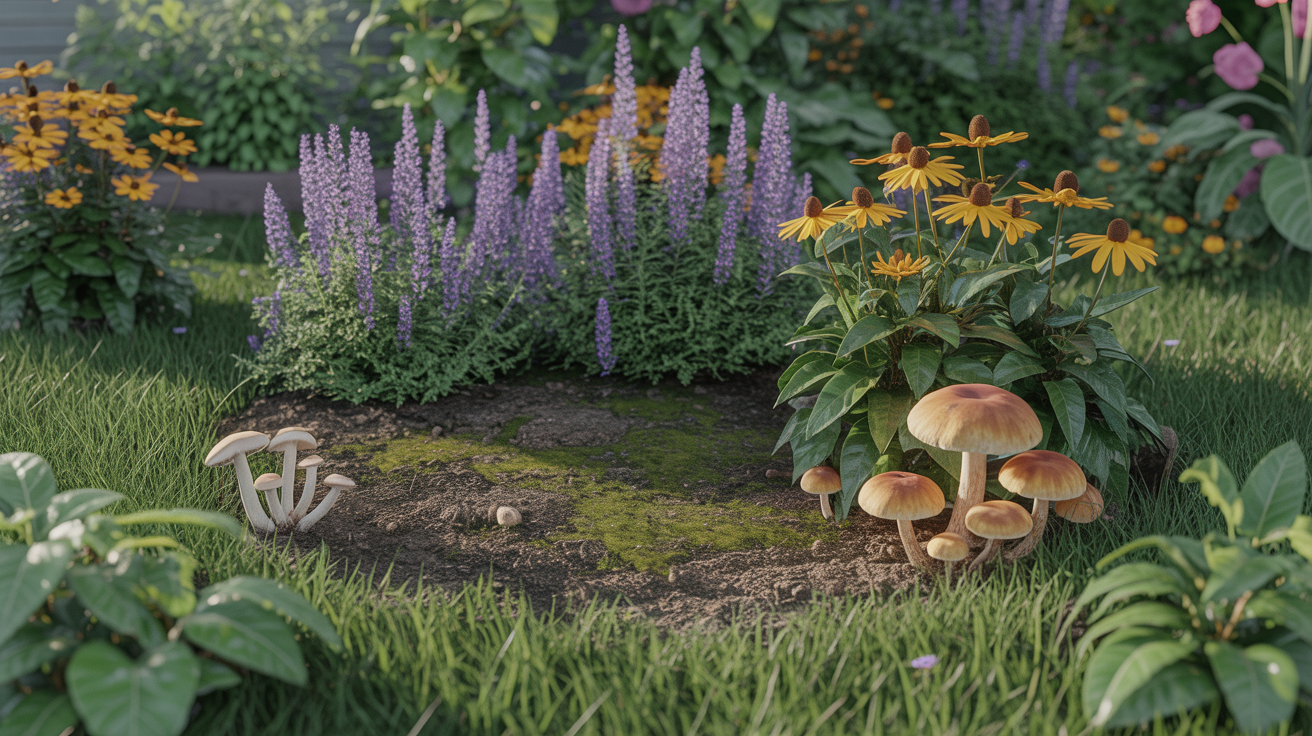
Gardening is a joyful journey, filled with the beauty of blooming flowers and lush greenery. However, as we cultivate our outdoor spaces, we may encounter some unexpected challenges. One such challenge is fungal growth. Understanding the role of fungi in both gardens and lawns is crucial for maintaining a healthy and vibrant environment. While fungi play an essential role in decomposing organic matter and enriching the soil, some species can become troublesome, leading to plant diseases and overall decline in garden vitality. Join me as we delve into the fascinating world of fungal growth, exploring its identification, causes, and effective treatments to keep your outdoor paradise thriving!
Understanding the Fungal Growth in Your Garden and Lawn
Fungal growth in your garden and lawn plays a critical role in the overall health of your outdoor spaces. While fungi contribute to the nutrient cycle and benefit the ecosystem, certain types can be detrimental to plants and grasses if left unchecked. This article will explore the nature of fungal growth, its identification, common types of fungi, and effective treatment and prevention methods to maintain a vibrant lawn and garden.
The Role of Fungi in the Ecosystem
Fungi are essential organisms that decompose organic matter, returning vital nutrients to the soil. This process is crucial for plant health and promotes a thriving ecosystem in your garden. However, not all fungi are beneficial. Some types, when overabundant, can lead to plant diseases or compromise the health of your lawn.
Identifying Common Fungal Types
Recognition of common fungi is the first step toward effective management. For example, the Rhizoctonia species typically manifests as unsightly brown patches, while other fungi may appear as mushrooms after periods of significant rain. Understanding the symptoms is key—look for discolored patches or a cottony web on grass.
Factors Contributing to Fungal Growth
Several factors can contribute to the proliferation of lawn fungus, including soil moisture, poor air circulation, and compacted soil. By focusing on the environment, you can mitigate the risk of fungal outbreaks. Improving drainage through lawn aeration or ensuring proper lawn slopes away from your home can significantly lessen moisture retention.
Effective Treatment Options
Once you identify the symptoms of fungal infection, it’s time to act! Treatments vary based on the type and severity of the fungi. This can range from natural remedies like baking soda to chemical fungicides. Ensure you follow instructions and consider the health of your plants when applying these treatments.
Prevention Methods
Preventing fungal infections is equally as important as treatment. Regularly monitoring your lawn’s health and creating conditions unfavorable for fungi will keep your garden thriving. For instance, avoid excessive fertilization, as it can encourage fungal growth, and maintain a proper mowing height to prevent lawn stress.
Essential Tools for Garden Care
Properly equipping yourself with gardening tools can enhance your ability to manage fungal growth effectively. For a detailed guide on the essential tools and equipment for starting your garden, click here. Knowledge combined with the right tools will empower you to combat and prevent fungal issues.
Seasonal Garden Maintenance
As seasons change, so should your garden care routine. Autumn is a crucial time for preparing your garden and lawn for winter. Implement essential fall gardening tips to help protect your outdoor space effectively.
Creating a Thriving Garden Environment
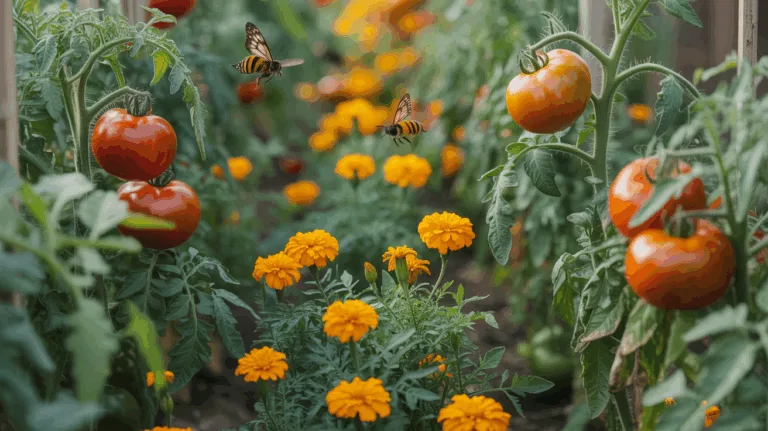
Fostering a healthy garden environment goes beyond addressing fungi. Consider implementing strategies like creating cozy habitats for beneficial insects that can aid in controlling pest populations and enhancing plant health.
Learning from Experienced Gardeners
As you navigate the complexities of gardening, learning from others is invaluable. Discover practical solutions and explore topics such as the benefits of the Bordeaux mixture for fungal issues, a useful resource in maintaining a healthy garden ecosystem.
Conclusion
Understanding fungal growth is crucial for any garden designer or gardening enthusiast. By mastering the art of identification, treatment, and prevention, you can ensure a lush, vibrant lawn and thriving garden. Let’s continue our journey to garden excellence by embracing the knowledge and practices necessary for protecting our green spaces.
Understanding the Fungal Growth in Your Garden and Lawn
Fungi are an integral part of our ecosystems, playing crucial roles in the decomposition of organic material and nutrient cycling. However, their presence in your garden and lawn can have both positive and negative implications. While certain fungi contribute to soil health, other varieties can result in diseases that affect your beautiful plants and grassy lawns. Recognizing the dual nature of fungi is essential for effective garden management.
To begin with, it is important to identify the specific type of fungus present in your garden. Some fungi, like mushrooms, can indicate healthy soil. However, when you notice discolored patches, wilting plants, or a stunted growth in your turf, it is time to investigate whether a harmful fungal species is at play. Initial symptoms may vary; therefore, familiarity with common types—such as dollar spot, brown patch, or powdery mildew—can help in early detection.
Moreover, understanding the environmental conditions that favor fungal growth can proactively mitigate issues. Factors such as excess moisture, insufficient sunlight, and poor drainage can create a breeding ground for harmful fungi. Aerating your lawn and improving drainage are practical steps that can go a long way in promoting a healthy turf environment. It is crucial to monitor your garden’s moisture levels and adjust watering practices accordingly.
Ultimately, knowledge and vigilance are your greatest allies in understanding the dynamics of fungal growth in your garden and lawn. By regularly assessing the health of your plants and soil, and by adopting preventive measures, you can nurture a vibrant outdoor space while keeping detrimental fungi at bay.