
Caring for Your Aloe Vera: Tips for Potted and Garden Cultivation
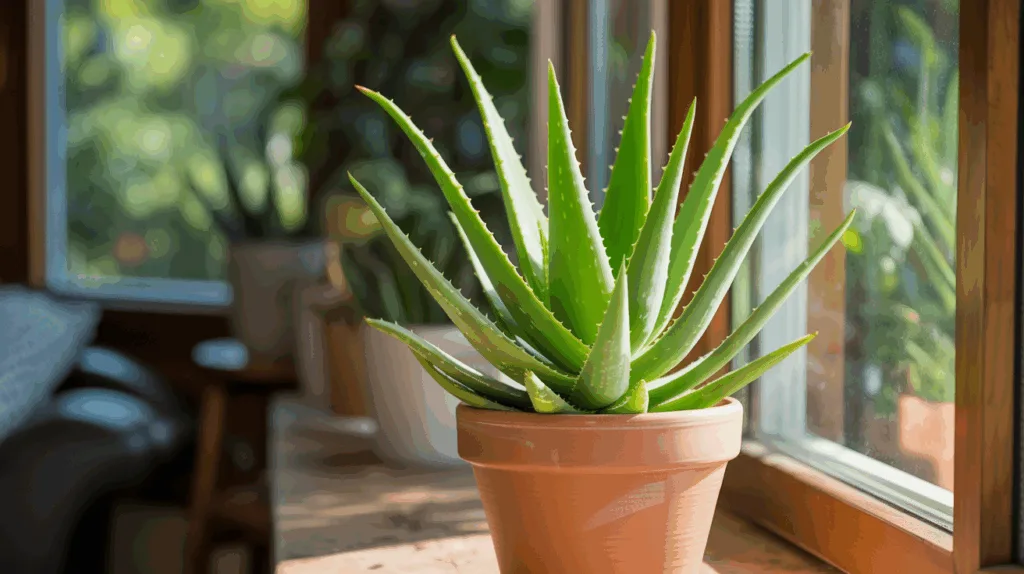
Welcome to the vibrant world of Aloe Vera, a remarkable succulent known for its medicinal properties and stunning aesthetic. Whether you’re nurturing it in a pot or cultivating it in your garden, understanding how to care for this resilient plant is essential. By exploring the right watering techniques, optimal lighting conditions, and suitable soil types, you can ensure your aloe vera thrives and brings a touch of greenery to your space. Let’s dig into some essential tips that will have your aloe vera flourishing in no time!
Aloe vera is renowned for its remarkable healing properties and vibrant appearance. Whether you’re a budding gardener or a seasoned plant enthusiast, caring for this low-maintenance succulent can enhance the beauty of your space while bringing health benefits. In this guide, we will explore how to successfully grow and nurture your aloe vera, whether it’s potted indoors or flourishing in your garden outdoors.
Understanding Aloe Vera: Characteristics and Benefits
With its succulent, spiky green leaves, Aloe vera is often referred to as the “first aid plant” for its extensive use in treating burns and skin irritations. Scientifically known as A. vera, this hardy perennial thrives in a variety of conditions, making it a perfect choice for both novice and experienced gardeners. It requires minimal water and attention, proving its worth in any indoor or outdoor setup.
Growing Aloe Vera in Pots
Choosing the Right Pot
When growing aloe vera in pots, selecting the right container is vital. Ensure your pot has a drain hole to prevent water from accumulating, which can lead to root rot. Opt for lightweight terracotta or clay pots as they allow the soil to breathe while draining excess moisture effectively.
Optimal Soil and Fertilization
Your aloe will thrive best in well-draining soil, specifically formulated for succulents or cacti. Fertilize your plant sparingly, about 2-3 times a year, using a balanced fertilizer to avoid overwhelming its natural growth. This approach will support steady health and lush growth.
Watering Techniques
One of the most common mistakes gardeners make is overwatering their aloe vera. During the growing season in spring and summer, water your plant every 2-3 weeks, allowing the soil to dry out between watering sessions. In fall and winter, reduce watering to about once a month, as the plant requires less moisture during these colder months.
Light and Temperature Requirements
Aloe vera enjoys bright, indirect sunlight. Placing your pot in a sunny spot, such as a south-facing windowsill, can encourage healthy growth. However, beware of placing it in direct harsh sunlight for prolonged periods, as this can scorch its leaves. The ideal temperature range for aloe vera is between 55°F and 80°F (13°C to 27°C), making it suitable for most indoor conditions.
Cultivating Aloe Vera in the Garden
Preparing the Garden Bed
When planting aloe vera in the garden, choose a sunny location with well-drained soil. Consider raising the beds or incorporating gravel to enhance drainage, mimicking the plant’s native arid environment. This preparation will help prevent waterlogged roots and keep the plants healthy.
Companion Planting
Aloe vera can be a delightful addition to your garden when paired with other drought-resistant plants such as sedums or agave. This not only creates an eye-catching visual landscape but also reduces water competition among plants.
Seasonal Care
In the garden, seasonal care for your aloe vera involves monitoring for pests and providing protection during harsh weather. If temperatures drop significantly in winter, consider using blankets to shield your plants or bringing potted aloes indoors.
Propagating Aloe Vera
Offsets and Cuttings
Aloe vera is known for creating offsets, or ‘pups,’ around its base, which can be easily propagated. When the pups are about 3 inches long, gently separate them from the mother plant with a clean knife. Plant them in their own pots to enjoy new growth and potentially expand your aloe collection!
Harvesting Aloe Vera Gel
One of the delightful features of growing aloe vera is the ability to harvest its gel. When the leaves reach maturity, simply cut a leaf at the base and extract the gel from within. This natural remedy is perfect for soothing minor burns, moisturizers, and even hair products.
Common Challenges and Solutions
Dealing with Pests
While aloe vera is relatively pest-resistant, issues may arise occasionally. Keep an eye out for pests like mealybugs and aphids. Regular inspection and the use of insecticidal soap can help maintain plant health.
Addressing Water Issues
If you notice your aloe vera’s leaves turning yellow or mushy, it might indicate overwatering. Conversely, if the leaves are shriveling, it’s a sign it needs more water. Adjust your watering schedule accordingly to correct these issues.
Enhancing your space with aloe vera can deliver aesthetic beauty and health benefits while being simple to care for. For more inspiration on incorporating plants into your home or garden, check out our article on the top plants for transforming your bathroom or explore captivating landscaping ideas to really bring your outdoor spaces to life!
When it comes to caring for aloe vera, understanding the unique needs of this remarkable plant is essential. Whether you choose to cultivate it in pots or in your garden, the right approach ensures your aloe vera thrives and displays its stunning foliage. One critical aspect to consider is lighting. Aloe vera loves bright, indirect sunlight; placing it near a western or southern window can help it flourish. Avoid low-light conditions to prevent leggy growth and maintain the plant’s robust form.
Another vital factor is watering. Aloe plants are succulents, meaning they store water in their thick leaves. Consequently, it is recommended to water your aloe vera every 2-3 weeks, increasing frequency during hot, summer months, while scaling back in winter. Overwatering is a common mistake that can lead to root rot, so ensuring proper drainage is equally important. Use well-draining soil specifically designed for cacti or succulents, and always choose pots with drain holes.
Fertilization plays a significant role in the growth of your aloe vera as well. Applying a balanced fertilizer just 2-3 times a year provides the necessary nutrients without overwhelming the plant. This simple routine supports steady, healthy growth and vibrant foliage. Additionally, consider repotting your aloe vera every couple of years to refresh the soil and allow for growth, especially if it has outgrown its current pot.
By following these straightforward tips, you can cultivate a vibrant and resilient aloe vera plant that not only beautifies your living space but also offers potential health benefits. Embrace the journey of caring for this medicinal wonder, and enjoy the rewards of your thriving green companion!