
Explore 35+ Captivating Landscaping Ideas for a Stunningly Inviting Garden Retreat
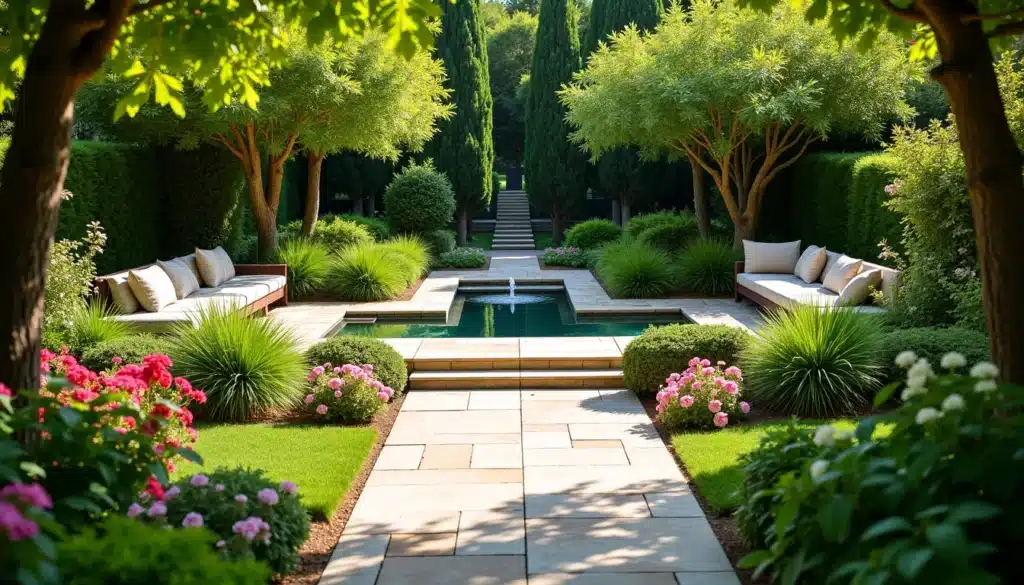
Transform your outdoor space into a vibrant sanctuary with these captivating landscaping ideas. From enchanting pathways to serene water features, each concept offers an opportunity to infuse creativity and personality into your garden. Whether you’re seeking tranquility or vibrant beauty, find inspiration to design your perfect garden retreat with these stunning landscaping ideas.
Welcoming Pathways
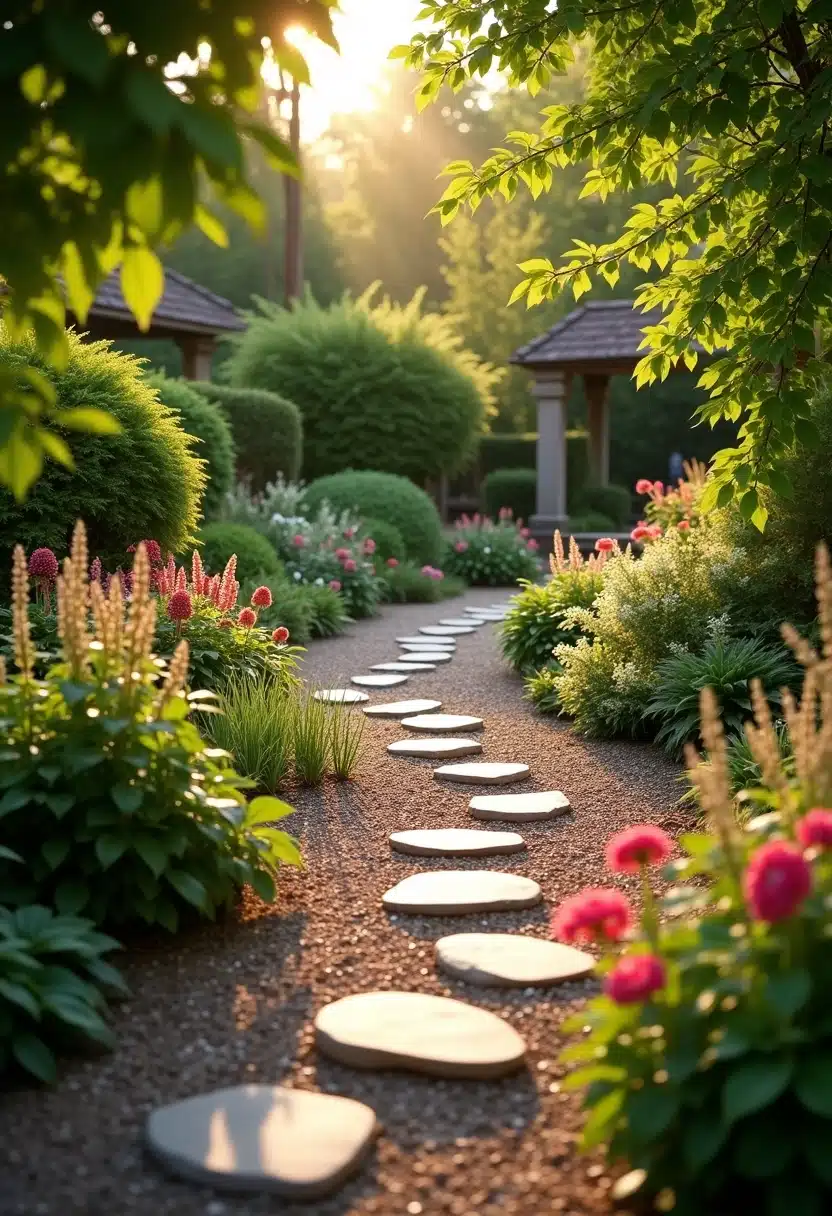
Imagine stepping into your garden along charming pathways that invite exploration. Using materials like gravel, stepping stones, or brick can transform these paths into attractive features. These pathways not only guide you through the garden but also set the tone for your outdoor experience. Select materials that complement your garden’s overall design, ensuring they enhance its aesthetic appeal.
While choosing materials, consider how each can match different garden styles. Gravel offers a rustic look, stepping stones bring a whimsical touch, and brick adds a classic edge. Maintenance is key to keeping pathways inviting. Regular cleaning and repair of wear-and-tear can significantly extend their life, maintaining the beauty and functionality of your garden’s entrance.
Captivating Water Features
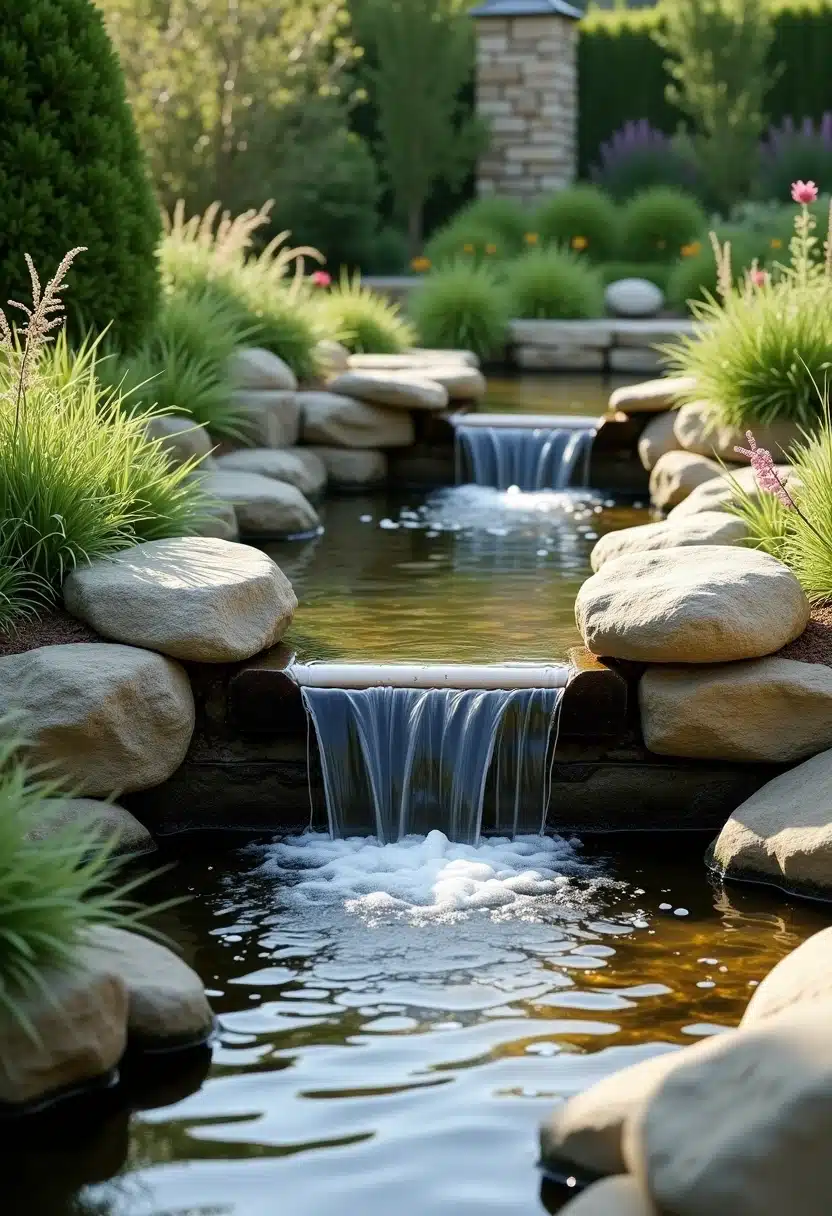
Water features can become the centerpiece of your garden, offering a soothing escape from everyday hustle. Imagine the gentle trickle of a stream or the elegant ripples of a pond. These elements introduce a sense of tranquility and dynamic movement to your space. Selecting features that blend naturally with your garden’s design can enhance both the visual and auditory appeal.
Placement plays a critical role in maximizing the impact of a water feature. Integrate them into the natural flow of your garden by considering visibility and accessibility. Whether it’s a waterfall that acts as a focal point or a koi pond tucked away for private enjoyment, location is key. Balance aesthetics with function to ensure an efficient setup.
Maintenance is vital to keep water clean and systems operating smoothly. Regular cleaning and checking of pumps prevent stagnation and ensure serene conditions. Using natural solutions like pond plants can help maintain water quality and reduce algae growth. With attentive care, your water feature will remain an inviting and lasting addition to your garden sanctuary.
Vertical Gardens
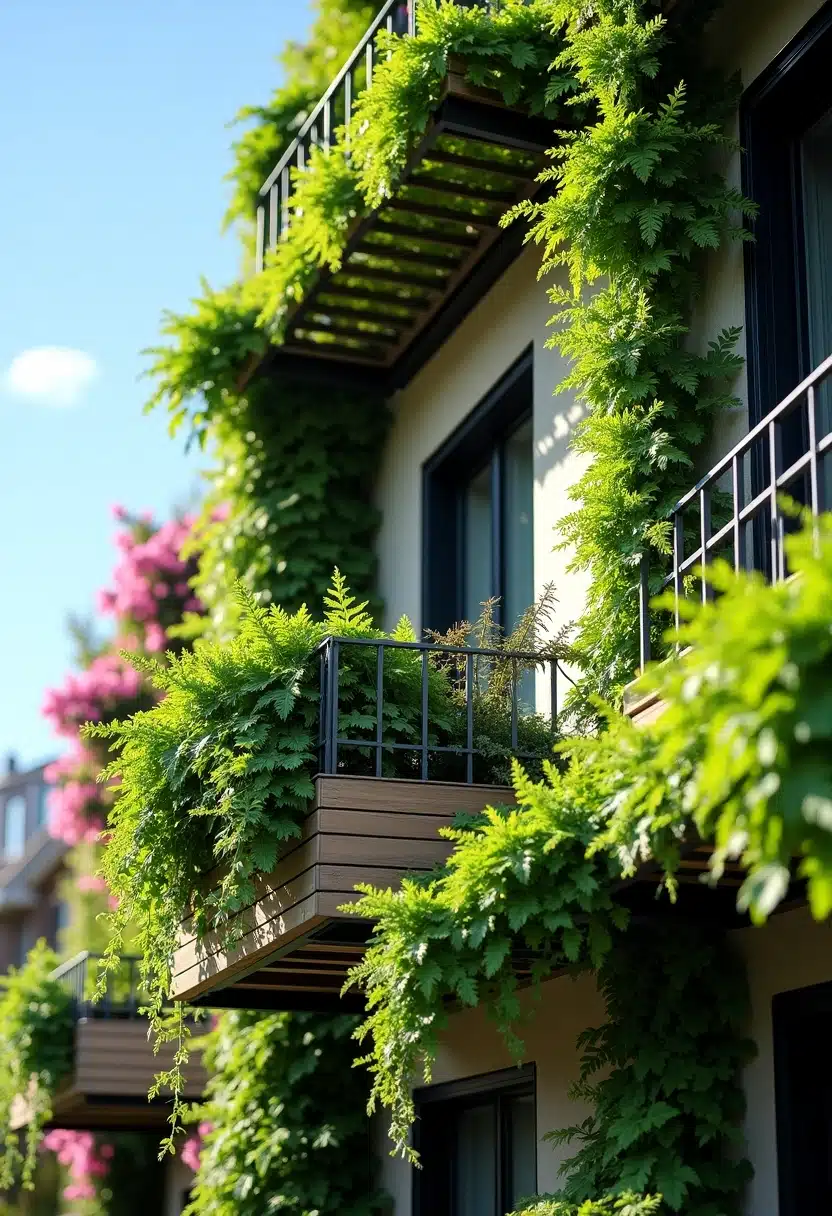
Vertical gardens are a fresh idea for those looking to make the most out of limited space. By going vertical, you create an opportunity for greenery even in the smallest of areas, like patios or apartment balconies. These gardens bring a touch of nature closer to you, offering health benefits such as improved air quality by absorbing pollutants and releasing more oxygen.
Consider choosing the right plants for your vertical setup, depending on the climate and sunlight exposure of your area. Ferns, succulents, and flowering vines are great choices that thrive in vertical environments. Look into different structures available for supporting plant growth, such as wall panels or trellises. These structures not only host plants but add a striking architectural element to your outside space.
Integrating a vertical garden into your landscape can enhance the ambiance with its lush cascade of greenery. Experiment with various shapes and heights to create a dynamic visual experience. Remember to water and maintain your garden consistently to keep it healthy and flourishing year-round. A well-kept vertical garden acts as a living art piece, beautifully connecting the green world to the other decorative elements in your garden space.
Enchanting Lighting
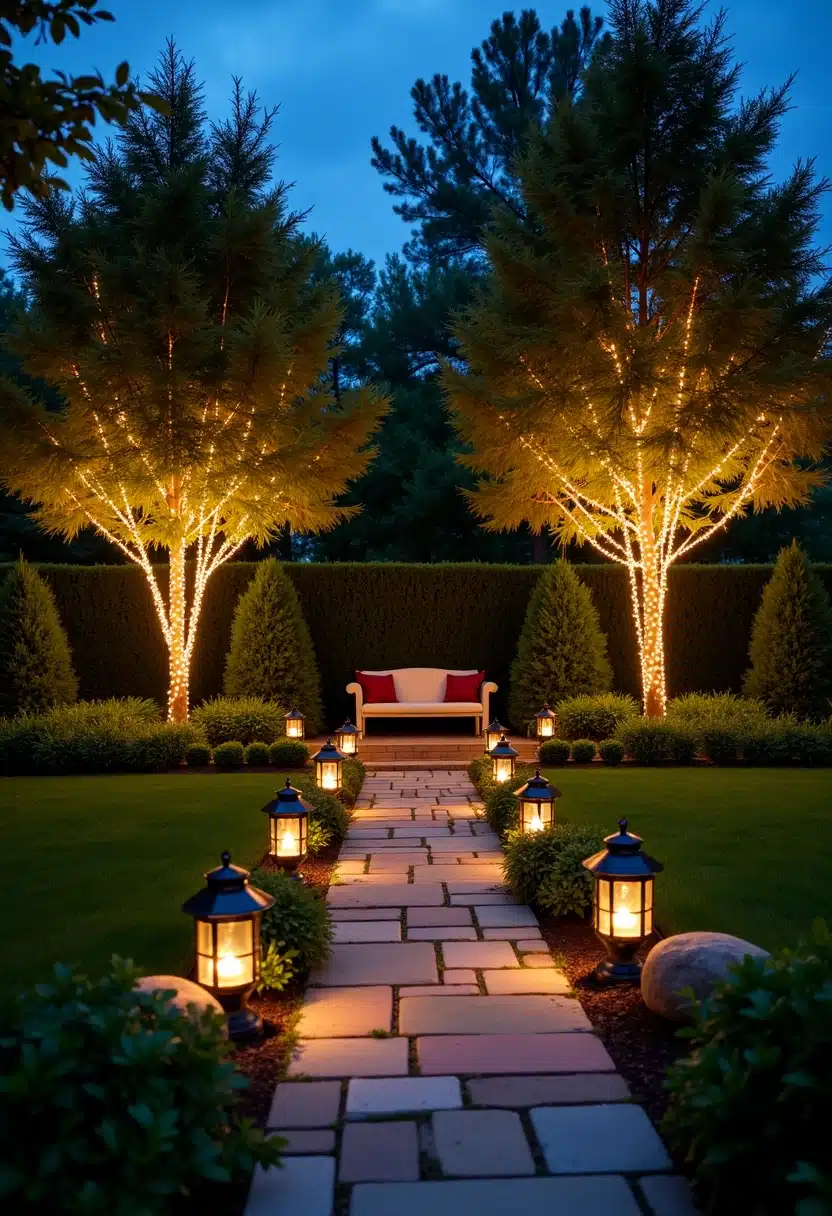
Lighting plays a vital role in transforming your garden into a magical retreat. By strategically placing different types of garden lights, you can highlight features while ensuring a safe walkway. Consider solar lights for energy efficiency, string lights for a cozy ambiance, and lanterns for a classic touch. These lighting options elevate the nocturnal beauty of your outdoor space.
Types of Garden Lighting
When you explore lighting choices, it’s important to use them effectively for a harmonious atmosphere. String lights draped over trees can add a whimsical touch. Lanterns are perfect for creating an intimate glow around seating areas. If you prefer an eco-friendly option, solar lights are great for pathways and garden beds, providing illumination without wires.
Lighting doesn’t just illuminate; it sets the mood. It extends the usability of your outdoor space long after sunset, creating memories under the stars. The right lighting highlights the textures and colors of your plants at night, complementing the daytime allure of vertical gardens. It enhances not only the aesthetic but also the experience of your garden haven.
Colorful Blooms

Infuse your garden with vibrant energy by selecting a diverse range of colorful blooms. Using seasonal flowers can ensure a garden that remains visually appealing throughout the year. From the lively tulips in spring to the warm marigolds in fall, each season brings its own palette of beauty. Consider planting annuals and perennials together to create a dynamic display that evolves over time.
Understanding color theory can greatly enhance your garden’s visual impact. By pairing complementary colors, you can achieve a sense of harmony and balance. For example, the combination of purple lavender and yellow sunflowers can create a striking contrast. Such thoughtful color pairings can transform an ordinary garden into an extraordinary canvas of nature’s art.
Besides selecting complementary colors, think about the mood you want to evoke. Soft pastels like pinks and blues can create a calming oasis, while bold reds and oranges might energize and invigorate. Consistently incorporating these elements will help your garden flow naturally from one vibrant corner to the next, creating an inviting outdoor retreat.
Edible Landscaping
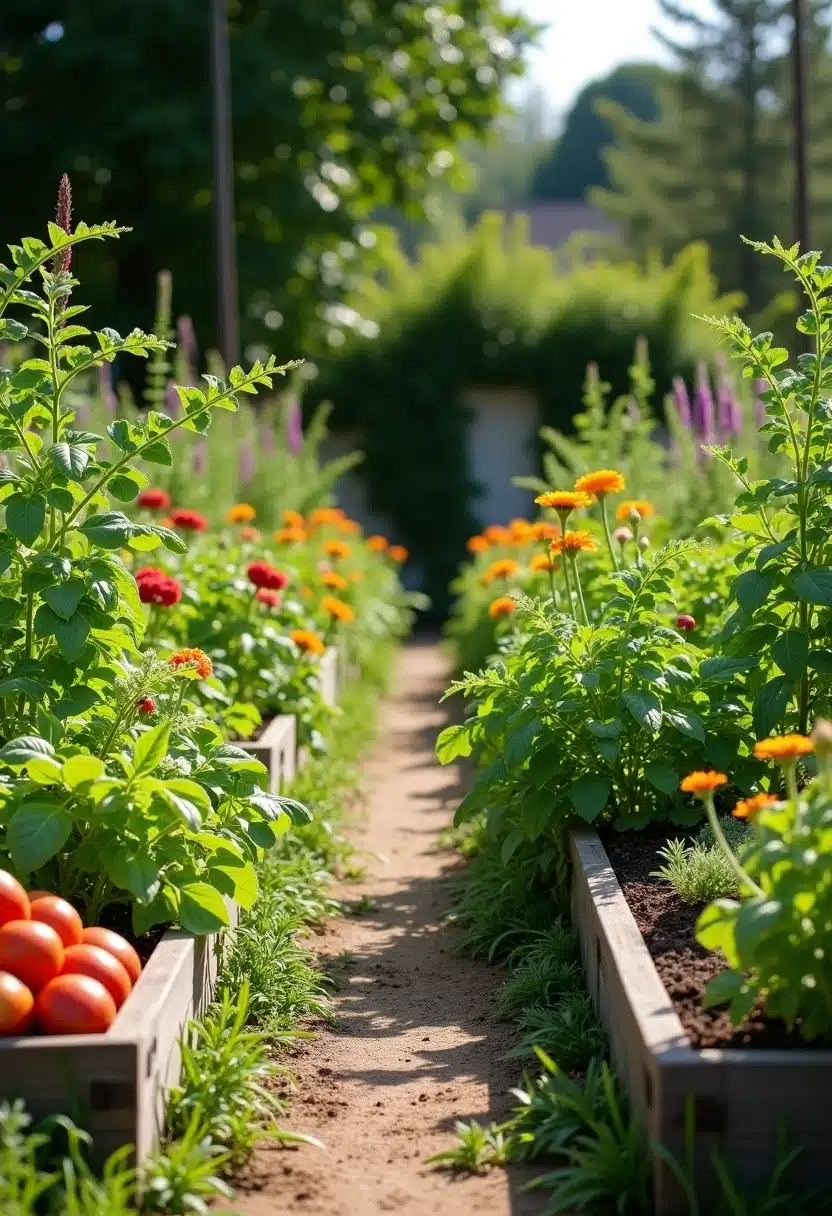
Edible landscaping beautifully blends aesthetics with functionality, transforming your garden into a feast for the senses. By incorporating herbs, fruits, and vegetables into your design, you not only enhance the visual appeal but also enjoy the bounty of fresh produce. Imagine stepping out to pluck fresh mint for your tea or juicy tomatoes for your salad, all from your stylishly designed garden beds.
When integrating edible plants, consider companion planting. This technique maximizes growth and minimizes pests. Pair basil with tomatoes to repel harmful insects, or plant marigolds alongside vegetables to deter unwanted visitors and add splashes of color. These strategies keep your garden vibrant and productive, promoting a healthier ecosystem without harsh chemicals.
Incorporating edible elements requires a bit of planning to ensure a harmonious look. Use raised beds for structured beauty and easy maintenance. Grouping plants with varying heights creates visual interest, while pathways guide exploration through your edible paradise. This thoughtful design not only satisfies your culinary needs but also enhances the tranquility and functionality of your outdoor space.
Inviting Seating Areas

Transforming your garden into a haven of relaxation starts with choosing the right seating options. From classic rustic benches to sleek modern loungers, selecting varied furniture pieces can bring both comfort and aesthetics to your outdoor space. Consider materials like wood for a natural feel or metal for a contemporary look. Mixing styles helps to create a dynamic and inviting atmosphere.
Strategically placing your seating is key to encouraging social interaction and solitude when needed. Arrange seating around focal points such as a fire pit or water feature to naturally draw people together. For intimate settings, position seats in quieter areas surrounded by lush greenery to invite tranquil relaxation. This thoughtful organization enhances the overall garden experience.
Lighting outdoor seating areas can significantly boost their appeal, especially for evening gatherings. String lights, lanterns, or solar-powered fixtures add warmth and ensure safety. Incorporate cushions and throws for added comfort and personality. Thoughtful design will ultimately create inviting and multifunctional seating areas, contributing to a welcoming environment for all who visit.
Sustainable Practices

Discover how integrating sustainable practices into your garden can greatly enhance environmental well-being. Utilizing methods such as composting not only enriches the soil but also reduces waste. Meanwhile, rainwater harvesting conserves water resources, helping your garden thrive even in dry spells. By embracing these techniques, you contribute to a healthier ecosystem right in your backyard.
Consider using native plants to further your garden’s sustainability. Native species require less water and maintenance, thriving naturally in your local climate. This not only conserves resources but also supports local wildlife by providing habitat and food sources. Reducing chemical usage preserves the health of both your garden and surrounding environment, fostering a space that’s beneficial for everyone.
Implementing these practices can create a garden that’s eco-friendly and vibrant. Understand the balance your landscape plays in the larger ecosystem. Support biodiversity by making deliberate choices about the plants you grow and the techniques you use. Together, these strategies promote a harmonious relationship with nature, turning your garden into a self-sustaining oasis.
Garden Art and Sculptures
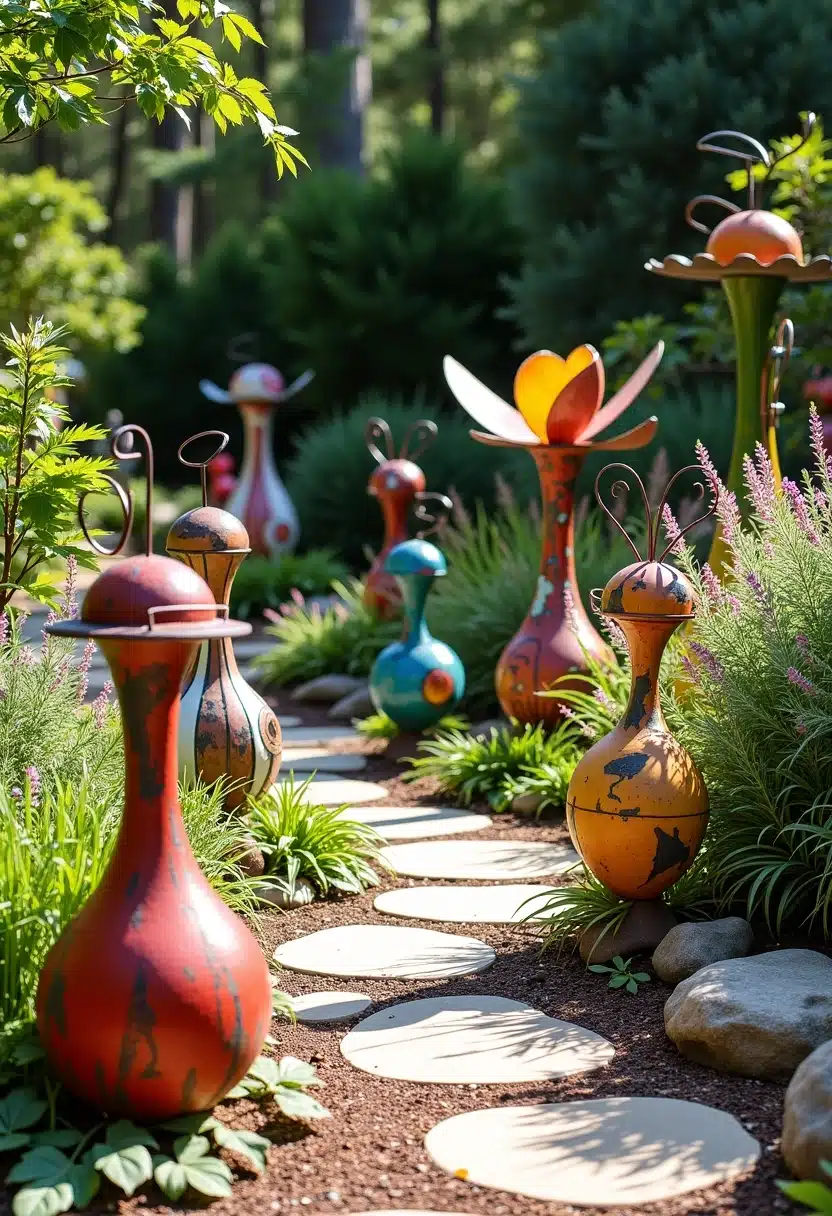
Dive into the world of garden art, where sculptures transform your landscape into a personalized masterpiece. Imagine metal sculptures or ceramic installations harmonizing with nature. These artistic elements serve as focal points, capturing attention and reflecting personal taste. Choose pieces that resonate with your style, adding a unique touch to your outdoor haven.
When placing sculptures, their location is key to maximize visual impact. Consider pathways, open spaces, or near water features to enhance their presence. Sculptures can create a sense of intrigue and whimsy. Strategically placed, they draw the eye and invite exploration, making your garden a dynamic and captivating space.
Explore diverse styles and materials to suit your landscape. From rustic metal to vibrant ceramic, each offers a distinct allure. Mix different materials to create a rich tapestry of textures and colors. Embrace garden art to craft a sanctuary that is not just beautiful, but a true reflection of your personal essence.
Lush Green Lawns
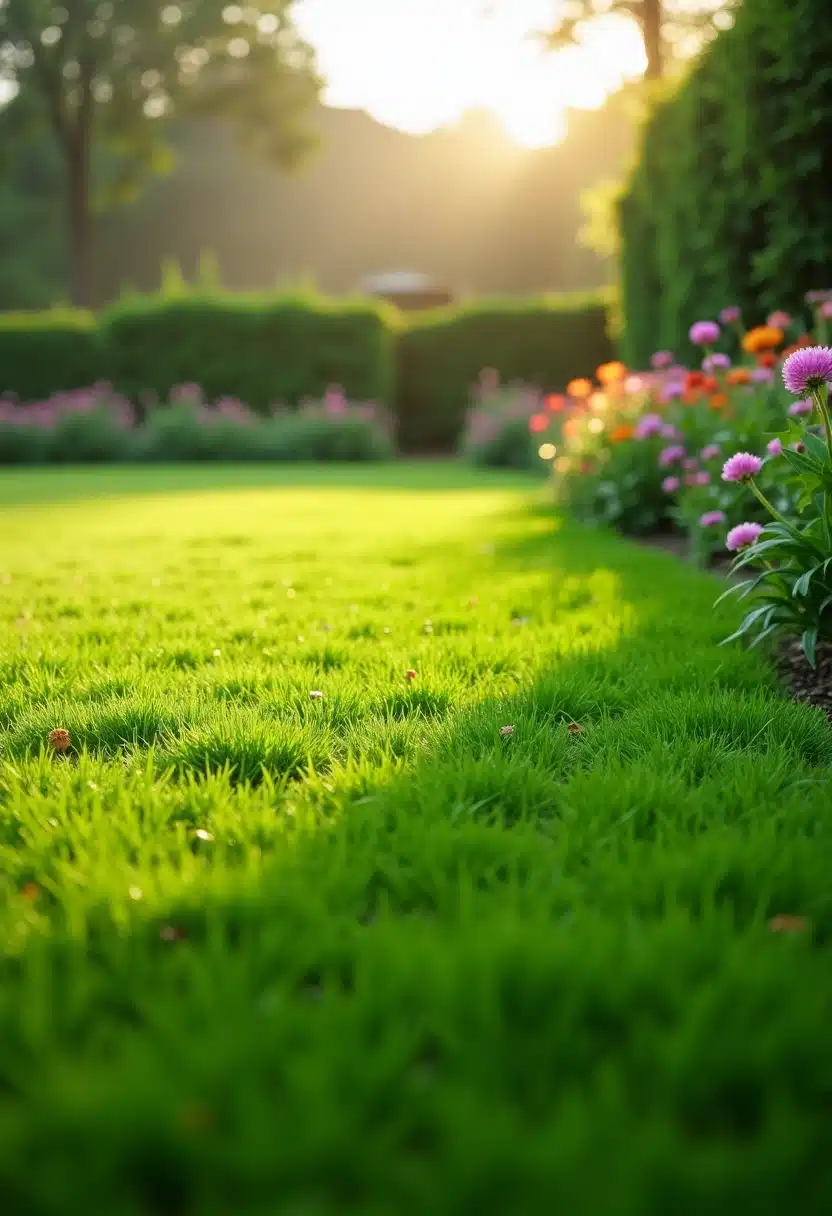
A lush green lawn is a canvas that amplifies the beauty of your garden while echoing the serenity of nature. To maintain its vibrant appearance, focus on the fundamentals like mowing, watering, and fertilizing. Consistent mowing at the proper height encourages dense growth and minimizes bare spots. In terms of care, a robust schedule will keep your turf healthy and lively all year round.
Watering your lawn effectively involves balancing frequency and volume. Grass typically requires around one inch of water per week; timing can make a significant difference. Early morning watering minimizes evaporation and maximizes absorption. Fertilizing is another key aspect—opting for slow-release fertilizers provides nutrients over time, ensuring consistent nourishment. This approach helps your lawn resist common issues such as weeds and dryness.
For common lawn challenges like weeds, integration of preventative measures and treatments is essential. Implement integrated pest management to keep pests at bay. Aerating your lawn can address patchiness by improving soil structure and root penetration. A healthy lawn not only boosts your garden’s appeal but serves as a testament to the care and thought invested in your outdoor sanctuary.
Privacy Solutions
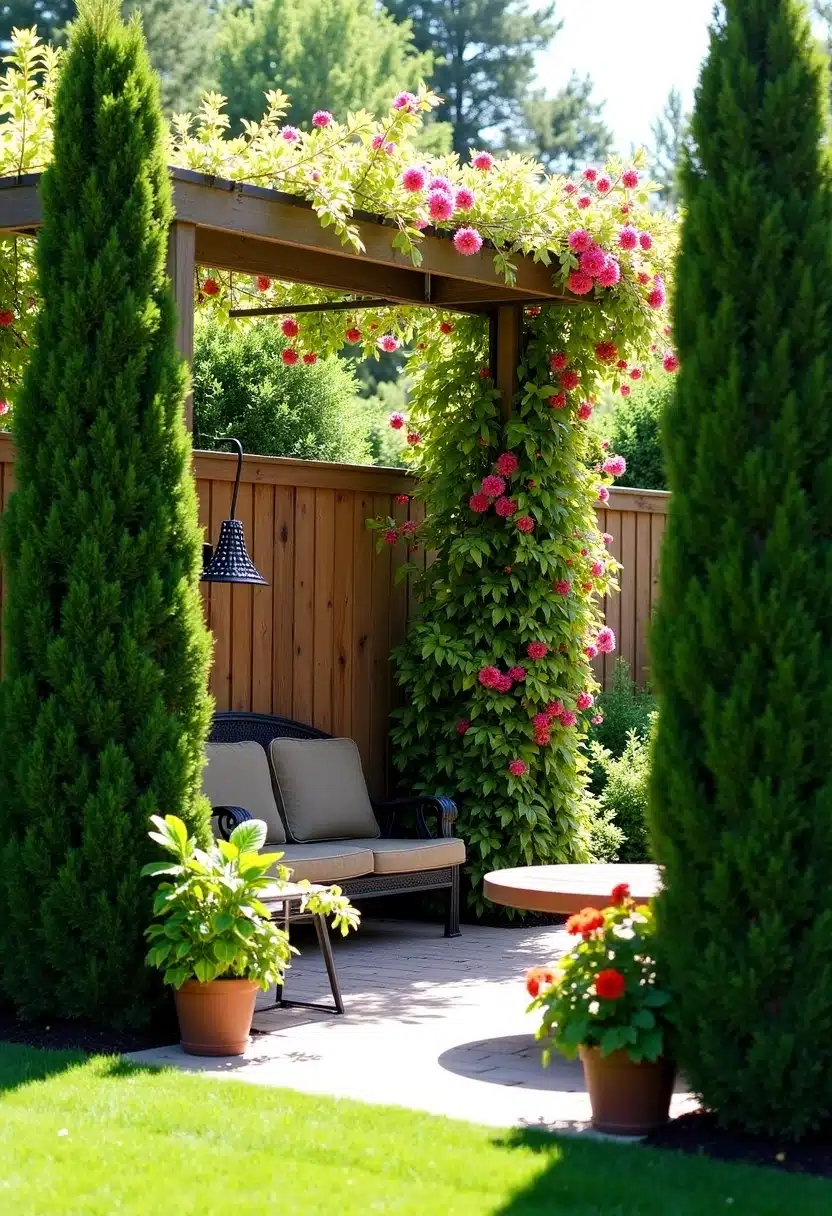
Creating a secluded oasis in your garden is a dream come true for many. Integrate hedges as natural barriers to enhance privacy while maintaining a lush feel. Tall, dense greenery can effectively shield you from prying eyes, providing a serene retreat. Opt for evergreens for year-round coverage, or mix in flowering shrubs for seasonal interest and vibrant colors.
Consider using fences and pergolas to define spaces. A well-placed fence offers instant privacy and security. With the right design, it can be a stylish focal point in your garden. Pergolas draped with climbing vines offer a blend of coverage and charm, fostering an inviting ambiance. Balance functionality with aesthetics by choosing materials that complement your garden’s style.
When installing privacy features, it’s vital to consider light and airflow. Ensure structures don’t block essential sunlight or restrict air circulation, which plants need to thrive. Use trellises as a light-permeable solution; they allow air to flow while providing partial screening. Thoughtful placement can merge privacy with an open, airy atmosphere, creating your perfect outdoor sanctuary.
Wildlife-Friendly Gardens
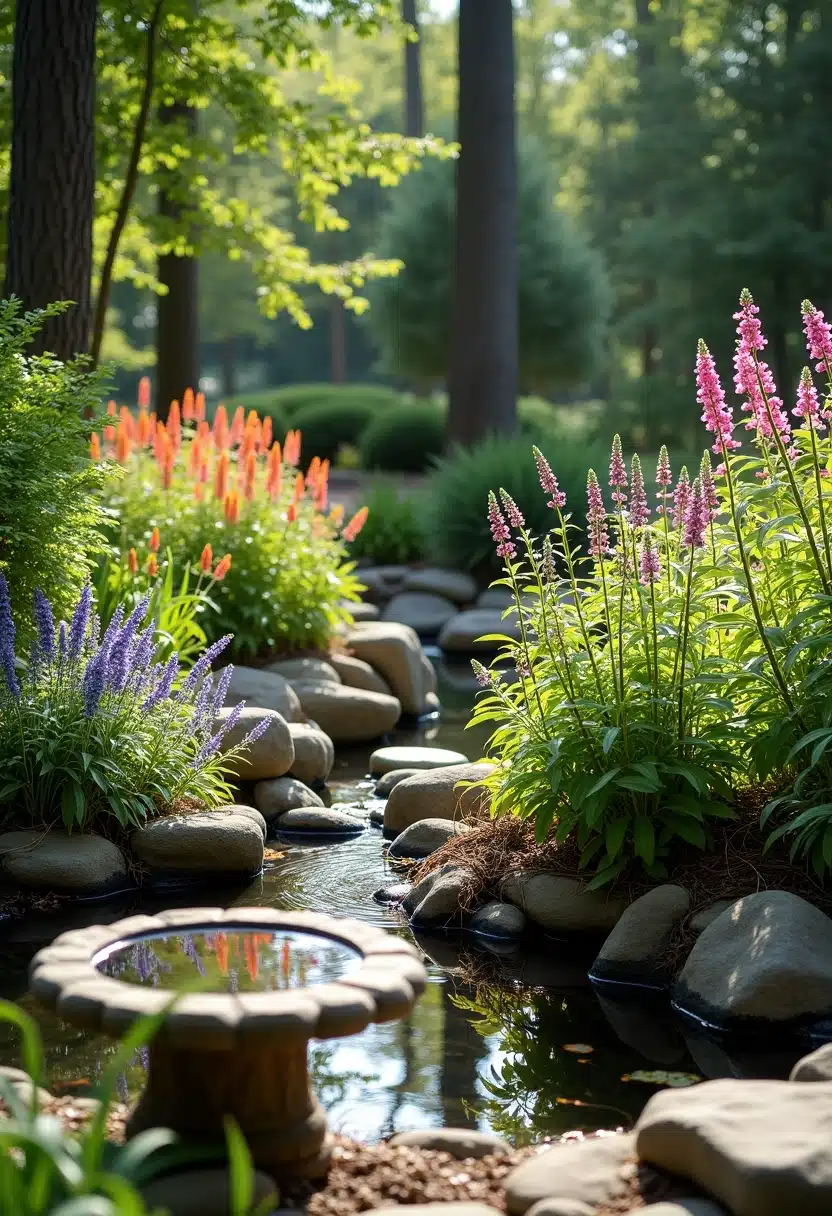
Creating a wildlife-friendly garden offers a rewarding way to contribute to local ecology. Integrating native plants is key, as they provide familiar food sources and shelter for birds, bees, and butterflies. Choose species that bloom at different times to ensure a steady supply of nectar. This helps sustain pollinators throughout the seasons, enhancing your garden’s biodiversity.
Water sources like birdbaths or shallow ponds attract and nurture wildlife. Make sure they have varying depths for different species. Adding rocks or twigs can offer perches for birds and insects. These simple additions create a thriving habitat, encouraging natural interactions and enriching your outdoor space with the rhythms of nature.
Designing the landscape with layered vegetation provides critical shelter options. Start with ground cover, then shrubs and taller trees to create a canopy. This provides diverse environments for various creatures. Catering to the specific needs of local wildlife makes your garden a sanctuary that mimics their natural habitat, promoting a balanced ecosystem.
Zen and Minimalist Designs
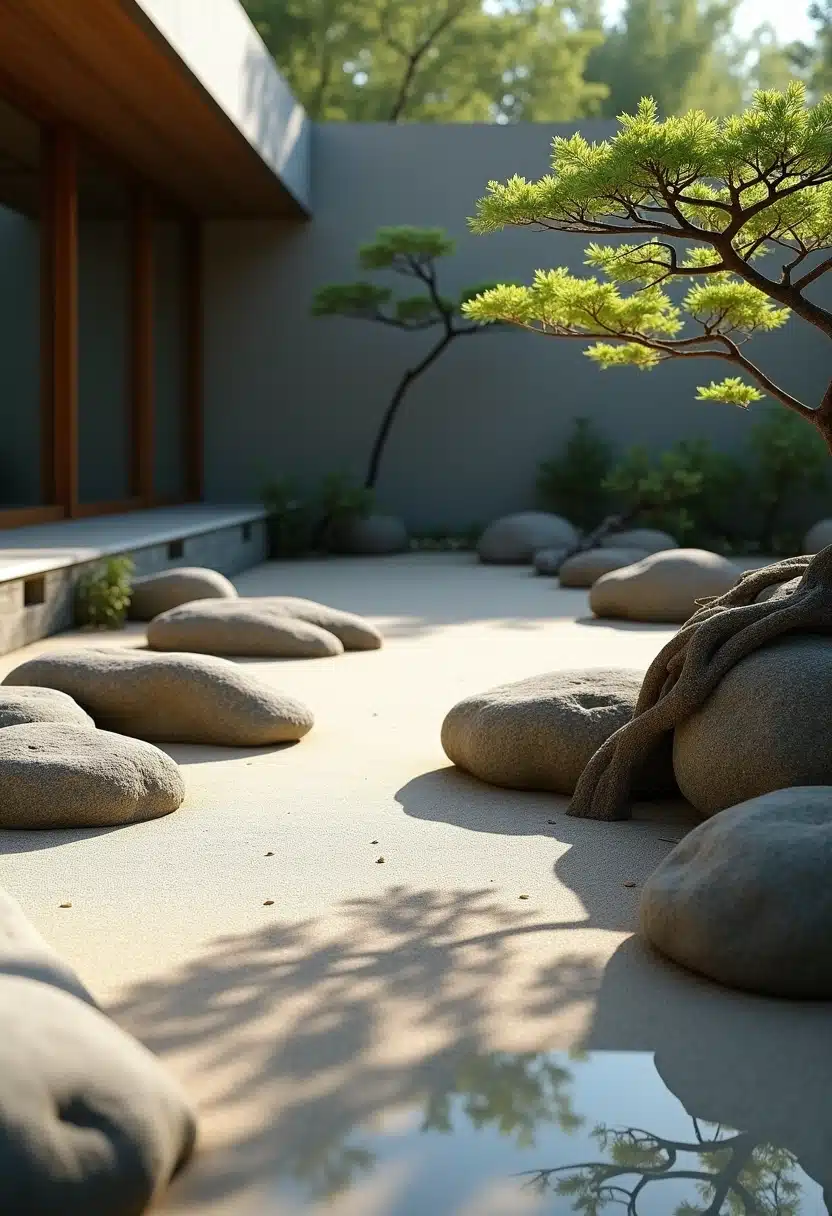
Incorporating Zen and minimalist designs into your garden can create a serene and meditative escape. These designs focus on simplicity, using elements like rocks and sand to evoke tranquility. Placid arrangements center the mind and bring a unique calmness to any space. The simplicity of minimalist plantings such as strategically placed bamboo or a solitary bonsai can also contribute to this peaceful ambiance.
Crucial to Zen gardens is the concept of balance and symmetry. Carefully positioned elements, whether large stones or delicate shrubbery, work harmoniously to achieve equilibrium. This balance not only enhances the aesthetic beauty but also fosters a tranquil environment. The asymmetry is intentional, inviting contemplation and reflection, making the garden not just a place, but an experience.
Consider the sensory experience as well. The gentle sound of rustling leaves or a babbling stream can enhance the sense of tranquility. Reflecting pools often feature in these designs, adding a mirror-like quality that symbolizes clarity and contemplation. Such thoughtful design inspires peace and invites relaxation, blending seamlessly with any outdoor space.
Container Gardening
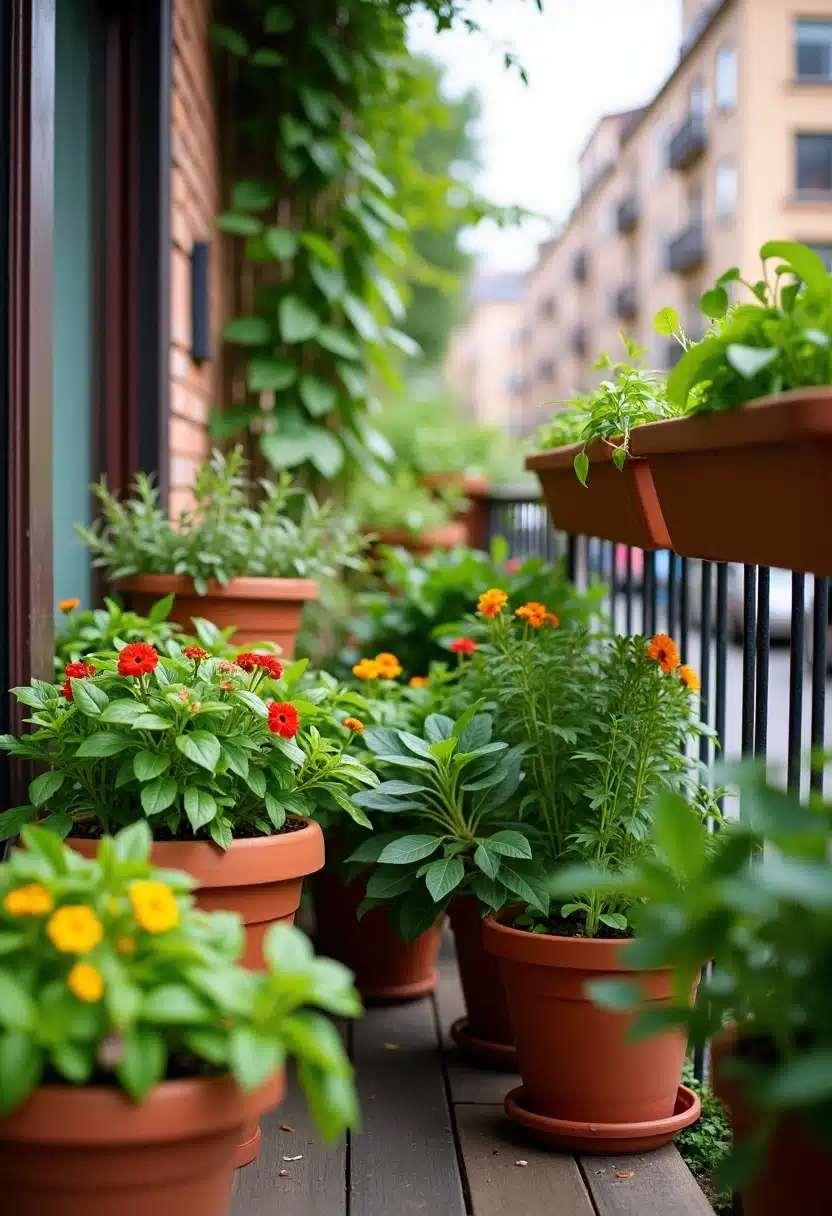
Container gardening offers a stylish and functional way to green up even the smallest of spaces. Perfect for urban settings, pots, and planters allow you to cultivate an array of plants, from vivid flowers to fresh vegetables, right on your balcony or patio. This method provides flexibility in design and mobility, allowing you to rearrange your garden as needed.
When choosing containers, consider their material, size, and drainage. Opt for pots large enough to support your plants and select breathable materials like terracotta or ceramic. Pair with high-quality soil to keep your plants healthy. Combine plants that have compatible needs; for example, group sun-loving herbs or shade-tolerant flowers.
Container gardening also invites experimentation. Feel free to mix different textures, colors, and heights to create captivating displays. By adding layers of mulch, you can retain moisture and bring additional visual interest. Incorporate movable planters to adjust with the seasons, providing an ever-changing visual appeal to your outdoor sanctuary.
Seasonal Accents
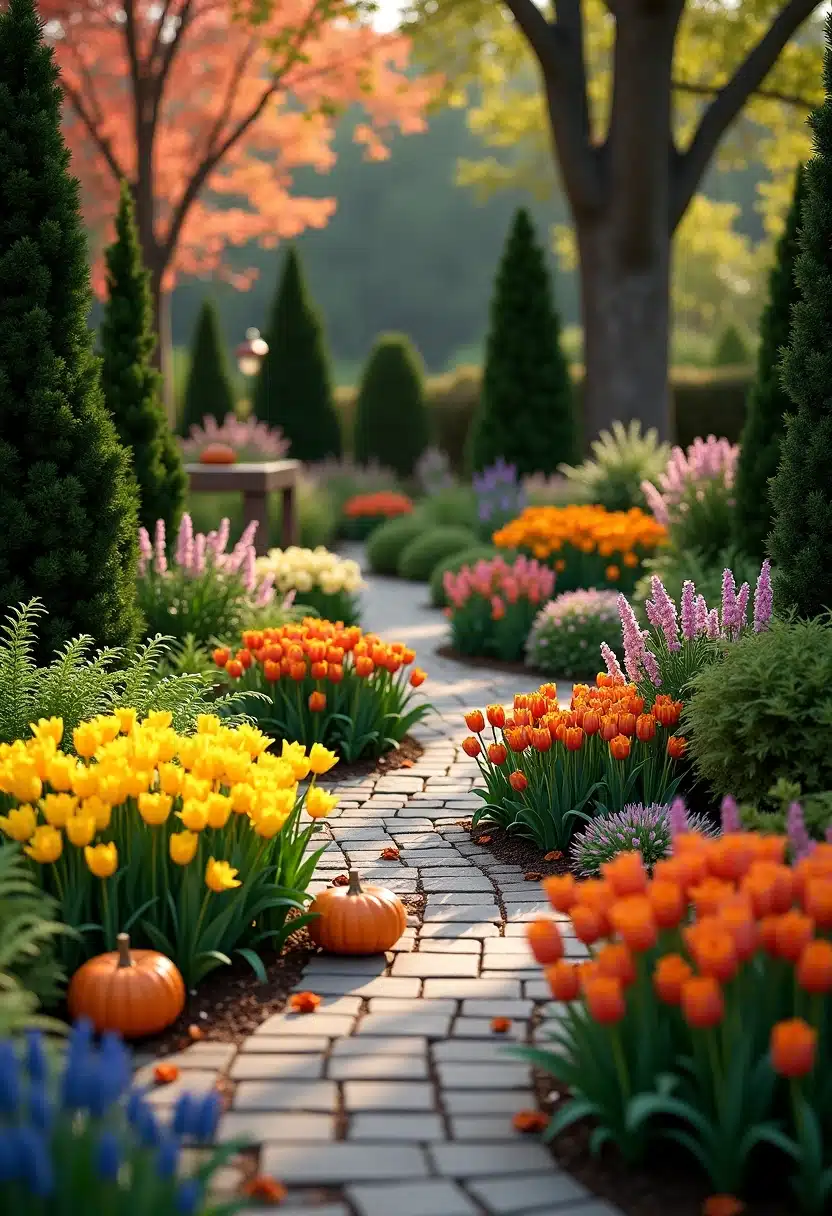
Transform your garden into a vibrant tapestry of the seasons by incorporating seasonal accents. Embrace the colors and textures that nature offers throughout the year. Bring spring to life with blooms like tulips and daffodils. Accent your summer garden with vibrant roses and lush green ferns. In fall, make it cozy with pumpkins and chrysanthemums. Winter welcomes evergreens and twinkling lights to brighten the cold days.
To keep your garden dynamic, it’s important to plan for smooth seasonal transitions. Arrange your garden layout with the future in mind. Consider which plants thrive during multiple seasons. Use decorative elements like garden sculptures or seasonal flags to seamlessly bridge the gap between changing landscapes. Strategically placed lighting also adds warmth, allowing your garden’s beauty to be enjoyed day and night.
Curating your garden with seasonal accents offers endless possibilities. You can even plan themed garden parties to celebrate each season’s unique beauty with friends and family. By thoughtfully incorporating these lively touches, your outdoor space evolves into a captivating setting that’s always ready to welcome guests. Dive into the rhythms of the year and let your garden reflect its vibrant spirit.
Pollinator Gardens
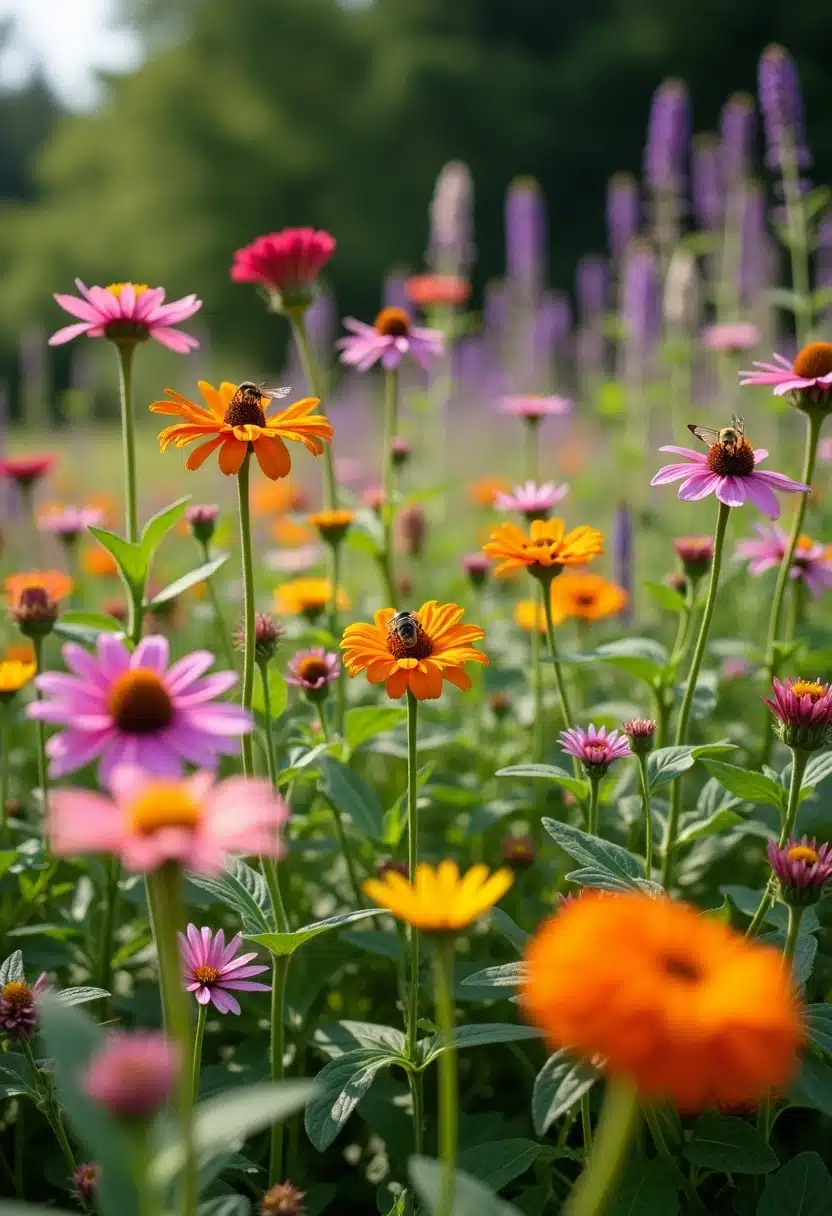
Designing a pollinator garden can transform your space into a haven for bees, butterflies, and other beneficial insects. By focusing on native wildflowers and flowering herbs, you provide essential resources for these creatures. Choosing the right plants is crucial for attracting pollinators. These plants offer nectar and pollen, which support the life cycle of these valuable insects.
Pollinators play a significant role in maintaining our ecosystem. They facilitate the reproduction of flowering plants, contributing to biodiversity and food production. Integrating a variety of bloom times within your garden ensures continuous support for these insects. It’s a simple, beautiful way to contribute to ecological balance and add vibrant life to your landscape.
A thriving pollinator garden not only enhances biodiversity but also adds dynamic beauty to your yard. Consider mixing an array of colors and heights for visual interest. This can create a garden that’s not just functional but also deeply enchanting. It’s an easy step towards making your outdoor space a lively, welcoming environment.
Herb Gardens
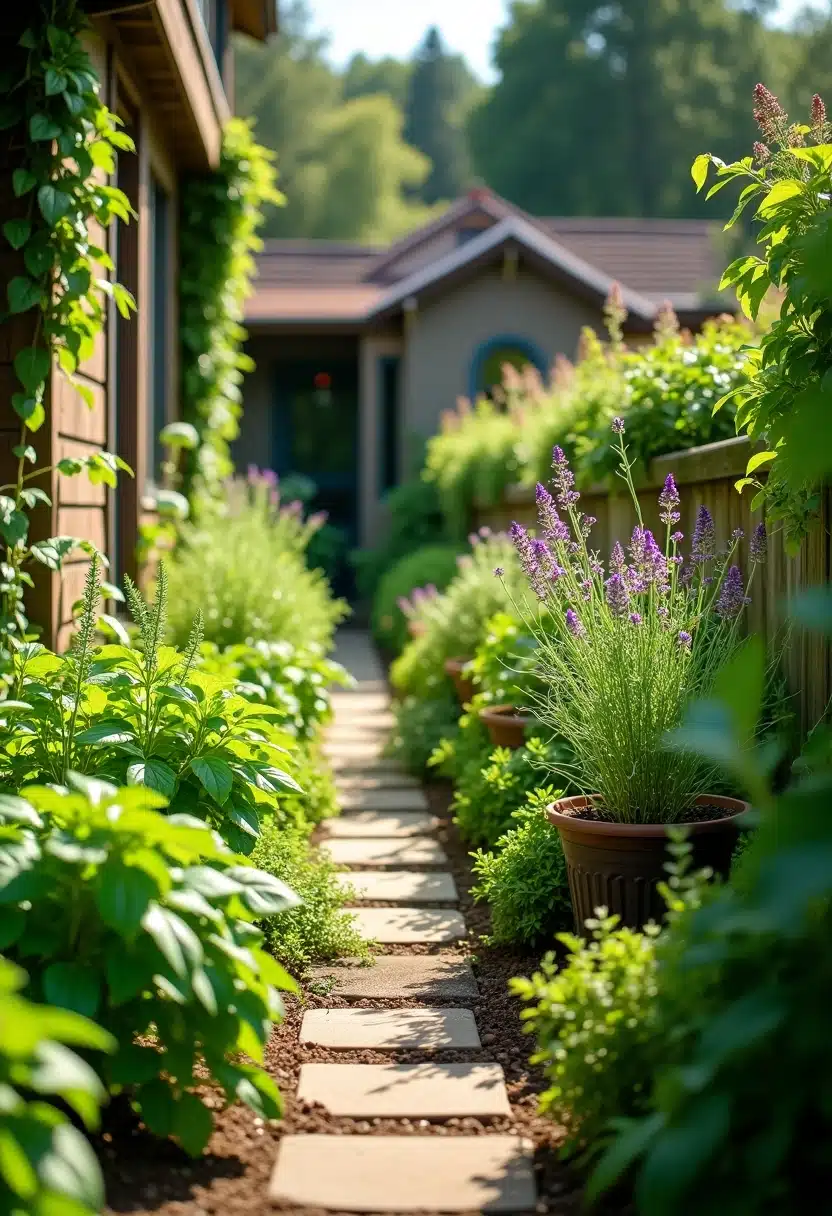
Creating an herb garden is a joyous pursuit, bringing both aesthetic appeal and practicality to your outdoor area. From fresh mint to fragrant lavender, a diverse range of herbs can be cultivated. Each offers unique flavors and aromas for enhancing your culinary dishes. But herbs aren’t just for cooking. Many, like chamomile and echinacea, have therapeutic properties that can be used for various home remedies.
Choosing and Caring for Herbs
Selecting the right herbs for your garden depends on your preferences and climate. Basil and parsley thrive in sunny spots, while rosemary and thyme are perfect for drier areas. Caring for these plants involves regular watering and sometimes pruning to encourage growth. Mulching can help retain moisture and deter weeds, ensuring your herb garden flourishes.
Design Ideas for Integrating Herbs
Incorporating herbs into your existing landscape can be a delightful endeavor. Consider planting herbs in decorative pots or raised beds for easy access. You can also line pathways with herbs like thyme or oregano, allowing their scent to release as you walk by. Combining these ideas will not only enhance your garden’s beauty but also serve practical purposes.
Rock Gardens

Rock gardens capture the wild charm of rugged landscapes. They add a unique blend of texture and depth to any outdoor space. Selecting the right rocks is vital. Choose a variety in size, shape, and color to mimic natural formations. The goal is to create naturalistic designs that entice the eye and offer visual interest from every angle.
Certain plants thrive in rocky environments, making them perfect companions for your rock garden. Succulents, alpine plants, and ground covers adapt to harsh conditions, and their diverse forms provide contrast against stone backgrounds. When planting, consider arranging plants in layers to create depth. It’s all about nurturing harmony between stone and plant life.
Arranging rocks to achieve a balanced and aesthetically pleasing layout can be enjoyable. Start with larger stones to create structure, then fill gaps with medium and smaller stones. This layering technique enhances the natural look. Take inspiration from nature by observing how rocks and plants coexist in wild settings. This will guide you in designing a space that’s both serene and dynamic.
Rain Gardens
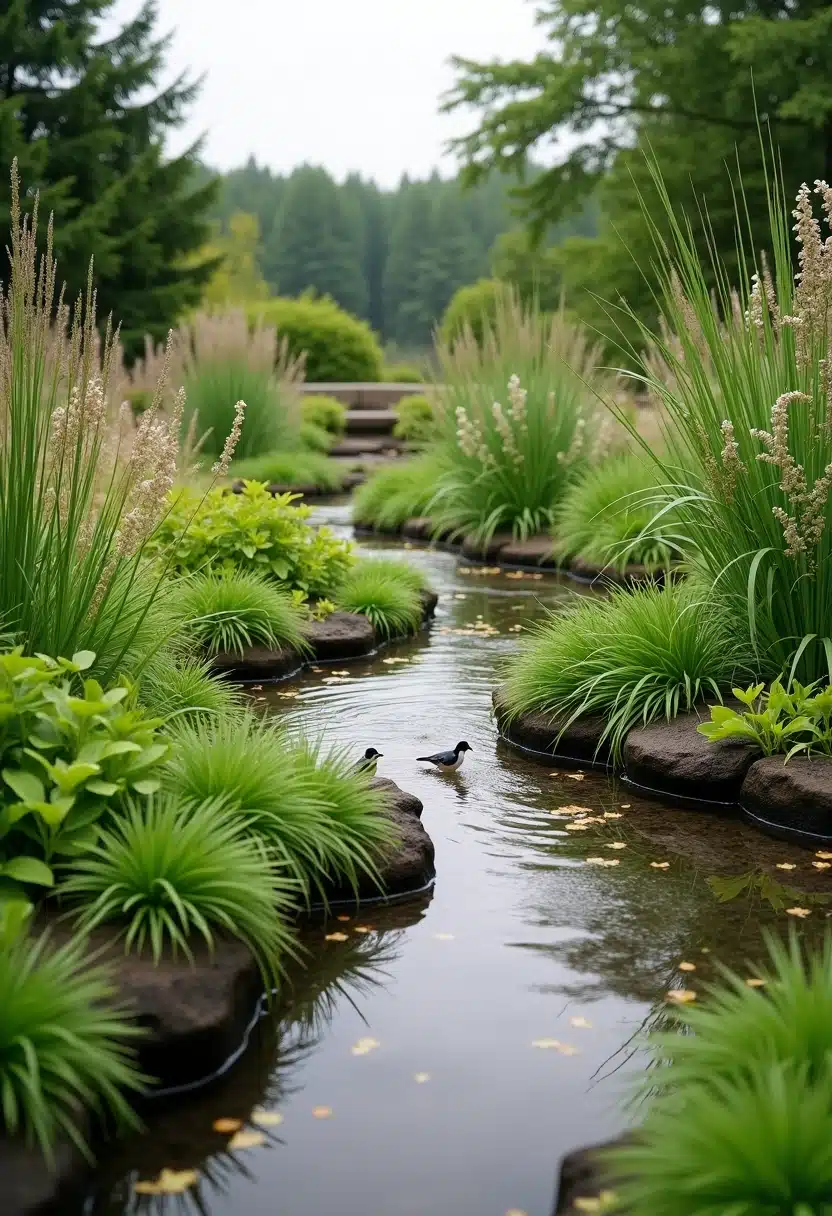
Rain gardens are a fantastic addition to your landscape, offering significant environmental benefits. They help manage stormwater runoff and decrease erosion, ensuring your garden remains healthy and vibrant. By capturing and filtering rainwater, these gardens recharge the local water table and support eco-friendly water management. Plus, they’re aesthetically pleasing and support local wildlife.
Designing a rain garden involves careful planning. Start by selecting an appropriate site where water naturally collects. Consider the soil type, aiming for a mix that retains moisture yet drains efficiently. Plant selection is critical; choose native species that thrive in wet conditions like ferns, rushes, and sedges. Group plants based on their water tolerance to enhance the garden’s effectiveness.
Rain gardens play a vital role in promoting sustainability within your outdoor space. They create a natural habitat for pollinators and birds, contributing to local biodiversity. Moreover, they reduce the need for fertilizers and pesticides, since the plants themselves filter impurities from runoff. This integration of sustainability into your landscaping not only protects the environment but also enriches your garden’s beauty.
Mediterranean-Inspired Designs
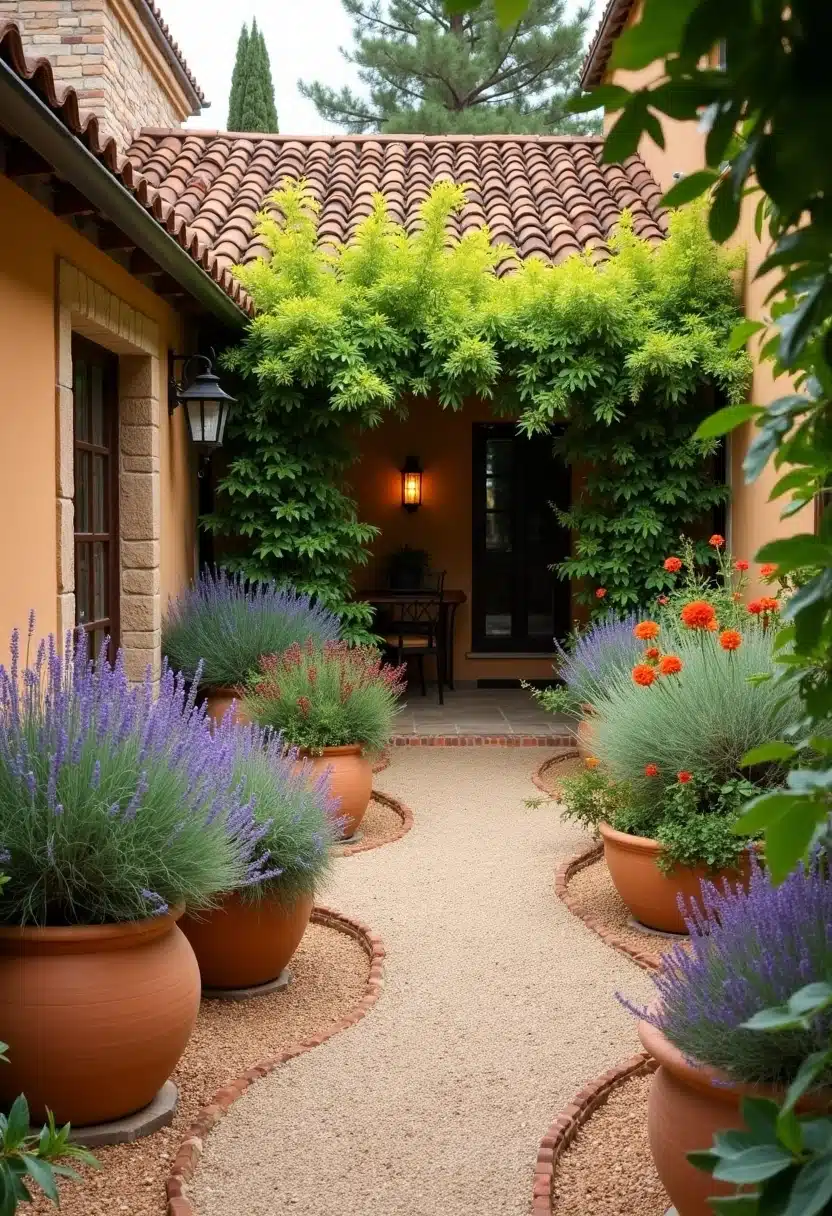
Embrace the alluring charm of Mediterranean-inspired landscapes, often characterized by the use of terracotta pots, which bring an earthy, warm touch to any garden. These designs often incorporate drought-tolerant plants such as lavender and olive trees, perfect for regions with intense sunlight. Gravel pathways weave through the garden, offering rustic charm while ensuring low maintenance. These paths elegantly guide you through a tapestry of textures.
Warm colors are key to achieving this style, reminding you of sun-drenched afternoons in southern Europe. Picture rich ochres, soft yellows, and vibrant reds set amidst stone walls and organic materials. This rustic texture adds depth while creating a harmonious outdoor retreat. Balance the warmth with lush greenery in your plant selection to evoke tranquility and to envelop your senses.
Consider creating spaces for relaxation and socializing, such as sun-dappled patios or shaded pergolas covered in climbing vines. These inviting spots become memorable settings for gatherings or a quiet afternoon escape. Use natural stone to border flower beds, providing structure and highlighting the landscape’s inherent beauty. With thoughtful design elements, your garden can become your personal Mediterranean getaway.
Butterfly Gardens
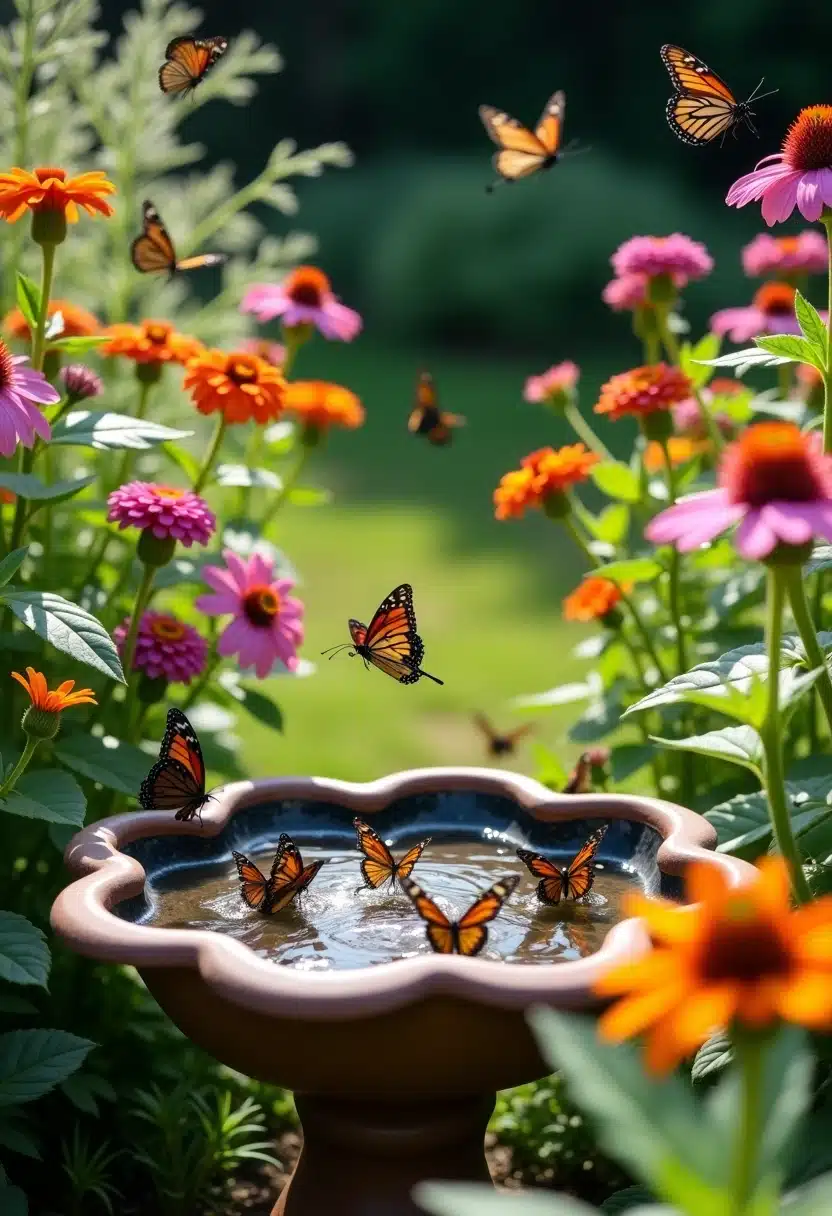
Immerse yourself in the world of butterfly gardens, where every plant choice helps create a thriving ecosystem for these graceful insects. Select a variety of nectar-rich flowers like milkweed, lantana, and coneflowers, which serve as essential food sources. Consider planting host plants such as parsley and fennel to support caterpillar growth. This ensures butterflies not only visit but stay.
Creating an inviting habitat involves more than just plant selection. Incorporate water sources like shallow birdbaths or puddling stations, providing crucial hydration. Ensure sunlit areas are available too, as butterflies thrive in warm environments. A combination of these elements creates a nourishing sanctuary, enhancing your garden’s beauty while supporting butterfly populations.
Cottage Gardens
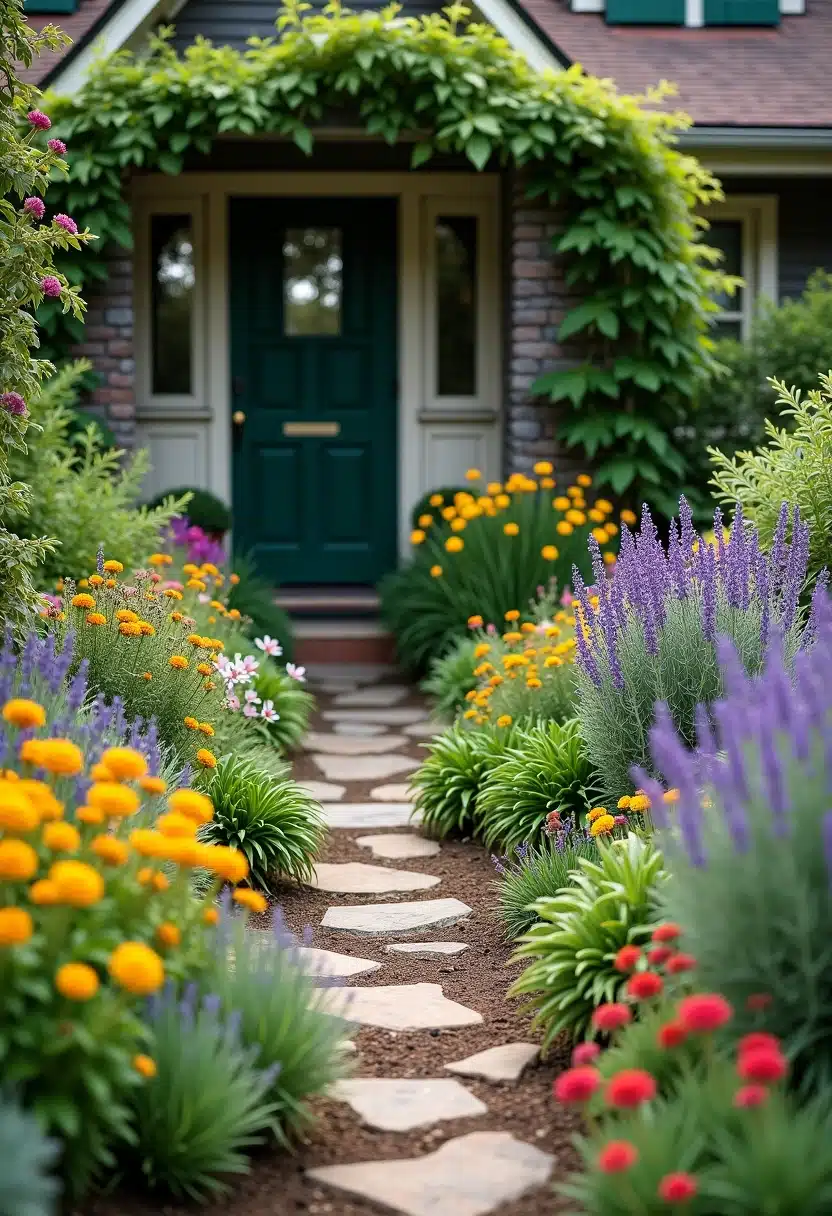
The charm of cottage gardens lies in their organic and romantic flair. These spaces embody a freeform structure enlivened with diverse plant life. Mix vivid flowers, aromatic herbs, and everyday vegetables to create a garden that’s both beautiful and practical. Pay attention to the balance among these elements to encourage a visually appealing, flourishing environment that engages all the senses.
Color, texture, and scent interweave to craft the essence of a cottage garden. Vibrant blooms contribute to a lively atmosphere, while intricate textures add depth. Fragrances, from herbs like lavender and sage, enhance the sensory experience as well. This blend is crucial in establishing a cohesive space that feels both vibrant and serene, inviting you to lose track of time.
To embrace this style, consider planting in layers and clusters, rather than straight lines, for a more natural look. This layout allows each plant to stand out while also contributing to the overall harmony. The result? An inviting retreat that feels like stepping into a storybook, offering a little escape from the daily hustle and bustle.
Japanese-Inspired Designs

Immerse yourself in the serene world of Japanese-inspired garden designs, where harmony and natural beauty reign supreme. These gardens emphasize minimalism and balance, showcasing elements like tranquil koi ponds and intricate stone lanterns. Picture a bamboo grove swaying gently in the breeze, offering a peaceful retreat from the modern world. Such designs are perfect for those seeking a reflective space to unwind.
The key to creating a Japanese-inspired garden lies in its simplicity. Focus on clean lines and natural materials. Integrate water features to symbolize life and renewal. Use plants like bamboo and bonsai to evoke tranquility. These elements help craft an atmosphere that soothes the soul and invites reflection. Consider placing a stone lantern to provide a touch of traditional Japanese culture.
Think of the balance between open spaces and decorative elements. Pathways crafted from natural stone guide you through this serene landscape, enhancing the meditative experience. The interplay of light and shadow creates a dynamic yet calm ambiance. As you design your garden, remember that each element should contribute to a sense of inner peace and balance, making your garden a living canvas of Zen philosophy.
Topiary Art

Topiary art transforms ordinary gardens into narratives of whimsy and elegance. By carefully shaping and sculpting plants, you can add playful charm that also brings a layer of formality. Plants like boxwood and yew are great choices for this craft. These species are not only resilient but also have dense foliage, making them ideal for intricate designs.
To maintain these living sculptures, focus on regular trimming and shaping. Use sharp tools to ensure clean cuts, and consider the plant’s growth rate. It’s key to trim during the growing season for optimal results. Fertilizing with a balanced formula can help your topiary thrive and retain its shape.
Additionally, training young plants with wire frames can guide their growth into structured shapes. This method prevents erratic sprouting and helps in achieving uniformity. Remember, patience is essential. Allow time for plants to grow and develop into splendid green art forms, adding a sophisticated touch to your garden.
Tropical Paradise

Step into a realm of lush beauty with a tropical garden that mimics the serene atmosphere of paradise. Bursting with bold foliage and vibrant colors, these gardens transport you to exotic locales. Consider incorporating large-leafed plants like banana trees and palms. Splashes of bright flowers such as hibiscus and bird of paradise add color contrasts. Together, they form a tapestry of nature’s most exquisite offerings.
Water features play a pivotal role in completing your tropical escape. From trickling fountains to serene koi ponds, they add layers of tranquility and coolness. Choosing the right location and size is key to harmonizing with your garden’s design. The soothing sounds of water can enhance the lush surroundings, turning your space into a serene sanctuary.
Success hinges on picking the right plants and understanding regional climates. Tropical gardens thrive in warm, humid environments. Research frost-sensitive plants that align with your local climate conditions. Assemble native elements that mirror your chosen theme. This approach ensures a sustainable and visually striking oasis that withstands seasonal shifts, allowing you to savor your tropical paradise year-round.
Modern and Contemporary Designs
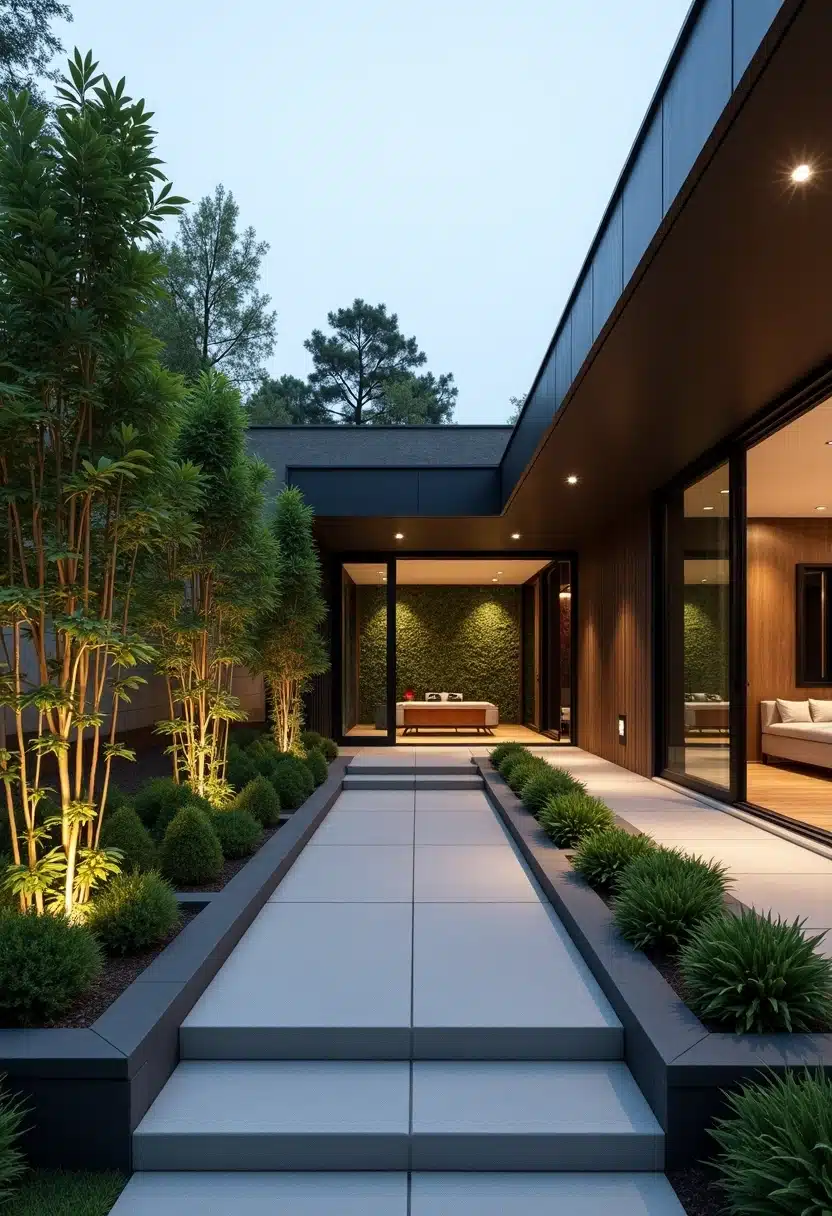
In the world of modern garden design, sleek lines and innovative materials take center stage. Minimalistic plantings offer a clean aesthetic, using geometric shapes that add a touch of elegance. Industrial elements, such as concrete and steel, provide a contrast that enhances these layouts. These themes can transform any outdoor space into a sophisticated sanctuary.
Technology plays a pivotal role in modern gardens, bringing convenience and style. Automated irrigation systems ensure plants thrive with minimal effort. Lighting is crucial, accentuating features and extending usability into the night. LED lights, strategically placed, create a captivating ambiance. This thoughtful use of technology elevates both functionality and beauty.
The appeal of contemporary garden designs lies in their ability to merge nature with urbanity. Incorporating glass elements provides transparency, inviting the landscape into the home. Vertical gardens maximize space, showcasing nature in compact forms. These modern touches make outdoor areas feel both spacious and cozy. They reflect an integration of modern living with nature’s serenity.
Fairy Gardens
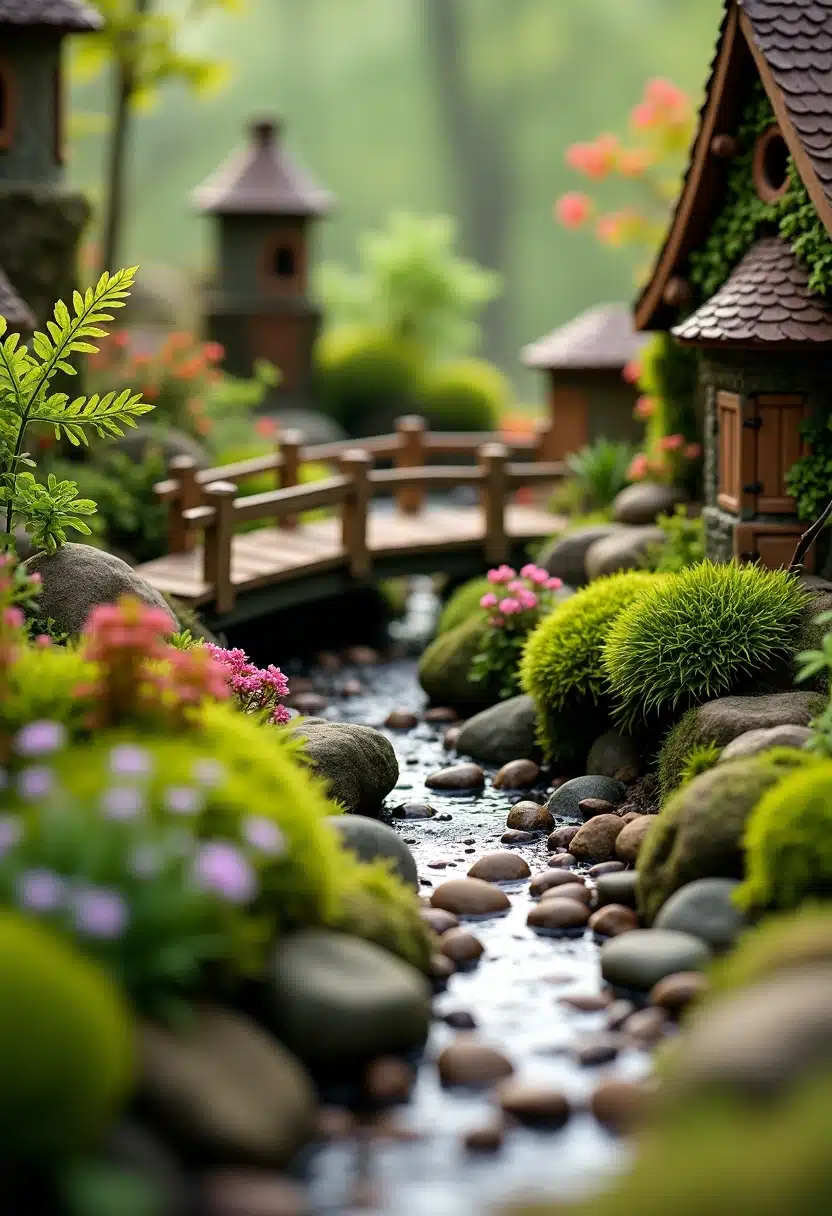
Fairy gardens offer a delightful escape into whimsical worlds where imagination knows no bounds. Start by choosing miniature plants like mosses and tiny ferns that create a mythical atmosphere. Complement them with fairy-themed accessories—miniature bridges, fairy houses, and tiny benches can add magic. Creative containers like broken pots or old teapots can serve as perfect homes for fairies.
Designing these magical spaces means allowing your creativity to flourish. Consider creating mini pathways with pebbles or using sand for a tiny beach. These small details can transport you to enchanted lands. Arrange your elements thoughtfully so that each section of the fairy garden tells its own story, inviting both children and adults to explore.
For an even more immersive experience, consider adding water features like small rivers or ponds. These can enhance the illusion of a real habitat for fairies. Including a variety of textures and colors within the garden will also help in making the scene vibrant and engaging. Let your creativity take the lead, and watch your fairy garden become a source of joy and wonder.
Woodland Retreat

Imagine stepping into a woodland retreat, where the air is filled with the soothing sounds of rustling leaves and chirping birds. This landscape captures the untouched beauty of natural forests, using shade-tolerant plants like ferns and hostas to thrive under towering trees. Winding pathways encourage leisurely strolls as you immerse yourself in this tranquil escape, providing a harmonious blend of greenery and rustic elements.
Seating in woodland gardens embraces nature’s simplicity—a wooden bench nestled among trees or a cluster of logs arranged for intimate gatherings. These areas offer a serene spot to relax and appreciate the natural world. It’s key to preserve ecosystems by planting native flora, attracting birds and butterflies. This enriches biodiversity, making your garden a sanctuary for both people and wildlife.
Such retreats aren’t just about visual appeal; they nurture a deeper connection with the environment. As you work with nature’s elements, you’ll cultivate a garden that not only thrives but also respects the earth around it. Embrace softer hues, subtle textures, and gentle blooms to maintain the forest atmosphere, creating a unique outdoor experience that beckons calmness and reflection.
Succulent Gardens
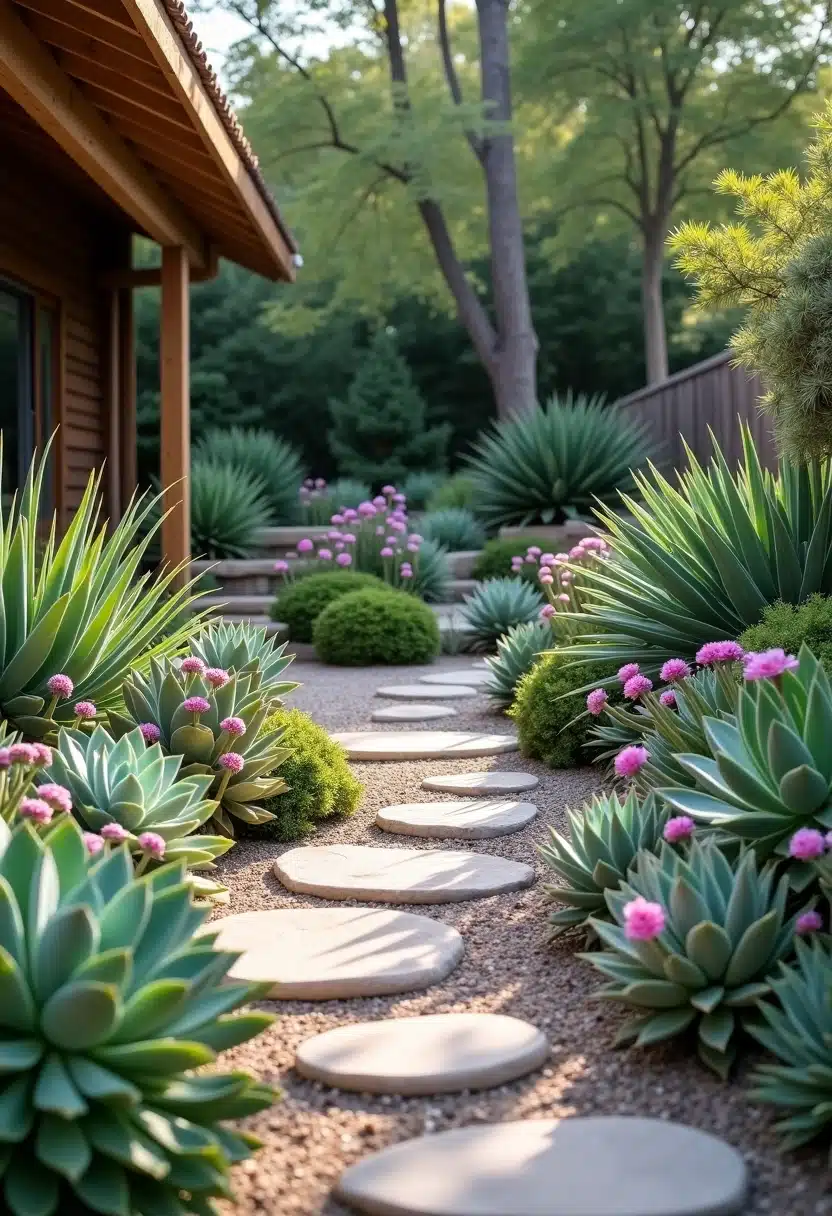
Succulent gardens offer an intriguing blend of hardiness and beauty, making them perfect for arid climates and individuals with bustling lifestyles. The vast array of succulents includes choices like aloe, echeveria, and jade, each bringing a distinct form and color. These plants thrive with minimal care, offering lush greens and unique shapes that transform garden spaces into breathtaking displays.
The key to crafting a stunning succulent garden lies in understanding their soil and watering needs. These plants prefer well-draining soil, which prevents root rot. Watering should be infrequent; a deep soak followed by allowing the soil to dry out completely is ideal. Arranging succulents in creative patterns, utilizing various shapes, sizes, and hues, can enhance their visual impact.
Consider mixing different types of succulents to create eye-catching arrangements. Using containers or rock gardens can elevate the aesthetic appeal, providing structure and contrast amidst the plants. Incorporating decorative stones or gravel not only adds texture but also helps retain moisture and keep the plants healthy, ensuring your succulent sanctuary remains effortlessly captivating.
Fragrant Gardens
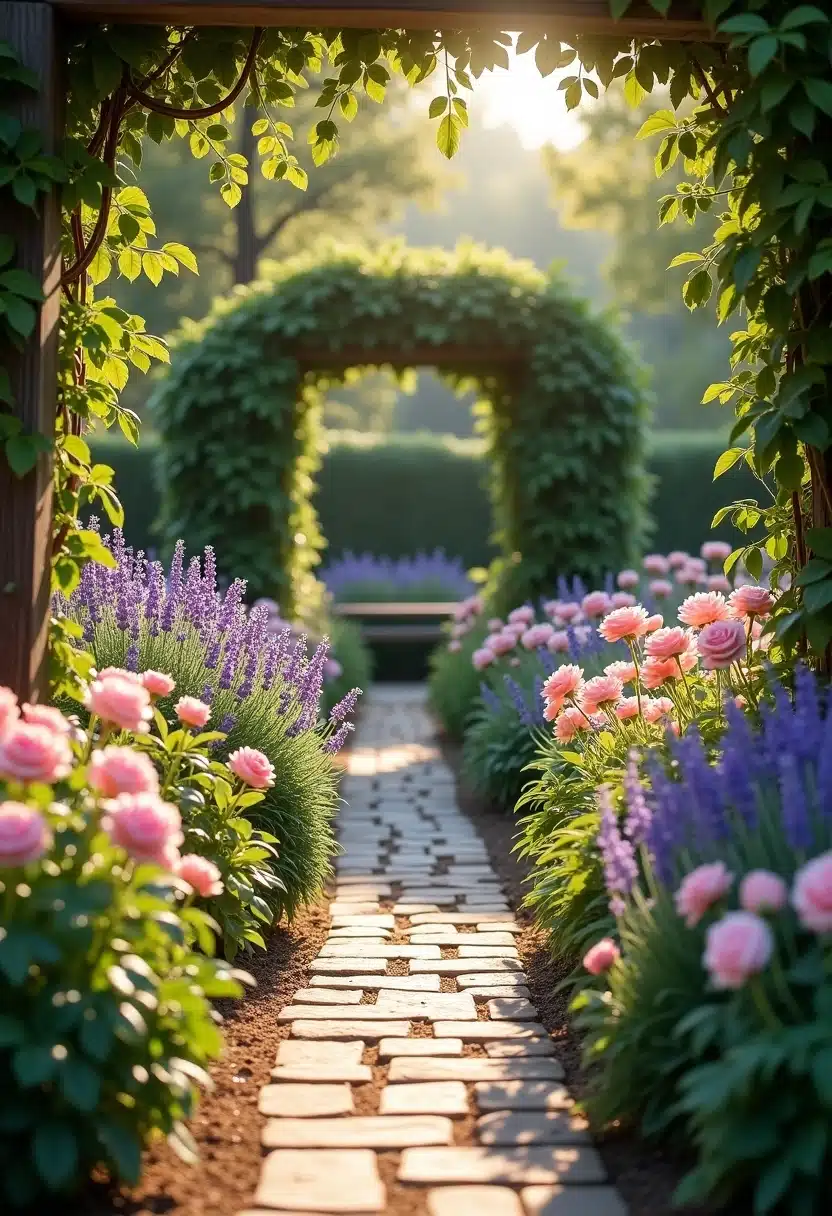
Immerse yourself in the sensory experience of fragrant gardens that envelop your outdoor space with captivating scents. Aromatic plants like roses, lavender, and jasmine can transform a garden into a peaceful retreat. Strategically place these plants near seating areas or pathways. This ensures that every breeze carries their delightful aromas, creating a soothing environment.
The calming effects of fragrant gardens offer therapeutic benefits that can enhance your well-being. The scents of jasmine and lavender are known for their stress-relieving properties. Designing your garden with these in mind not only elevates your space but also brings serenity. Let the fragrances guide you on a journey of relaxation and peace.
Zen Rock Gardens

Zen rock gardens, or karesansui, offer a serene escape through their minimalist design. These gardens replace vibrant blooms with natural elements like rocks, gravel, and sand to create a soothing ambiance. The placement of each element is deliberate, reflecting the balance between simplicity and nature. This tranquility invites introspection, making it perfect for meditation and mindfulness.
Symbolism plays a vital role in Zen gardens. Each rock can represent mountains, rivers, or even islands, with the sand raked into patterns symbolizing water. This thoughtful arrangement encourages reflection and promotes a sense of calm. It’s not just a visual experience but a philosophical one, cultivating peace within your outdoor space.
Creating a Zen garden is about embracing simplicity and reducing clutter. Begin with a clear space, choosing rocks and sand for their natural beauty. Allow contemplation and creativity to guide your design, aiming for balance and harmony. Whether on a small balcony or sprawling yard, a Zen garden provides a peaceful retreat amid life’s chaos.
Pergolas and Arbors
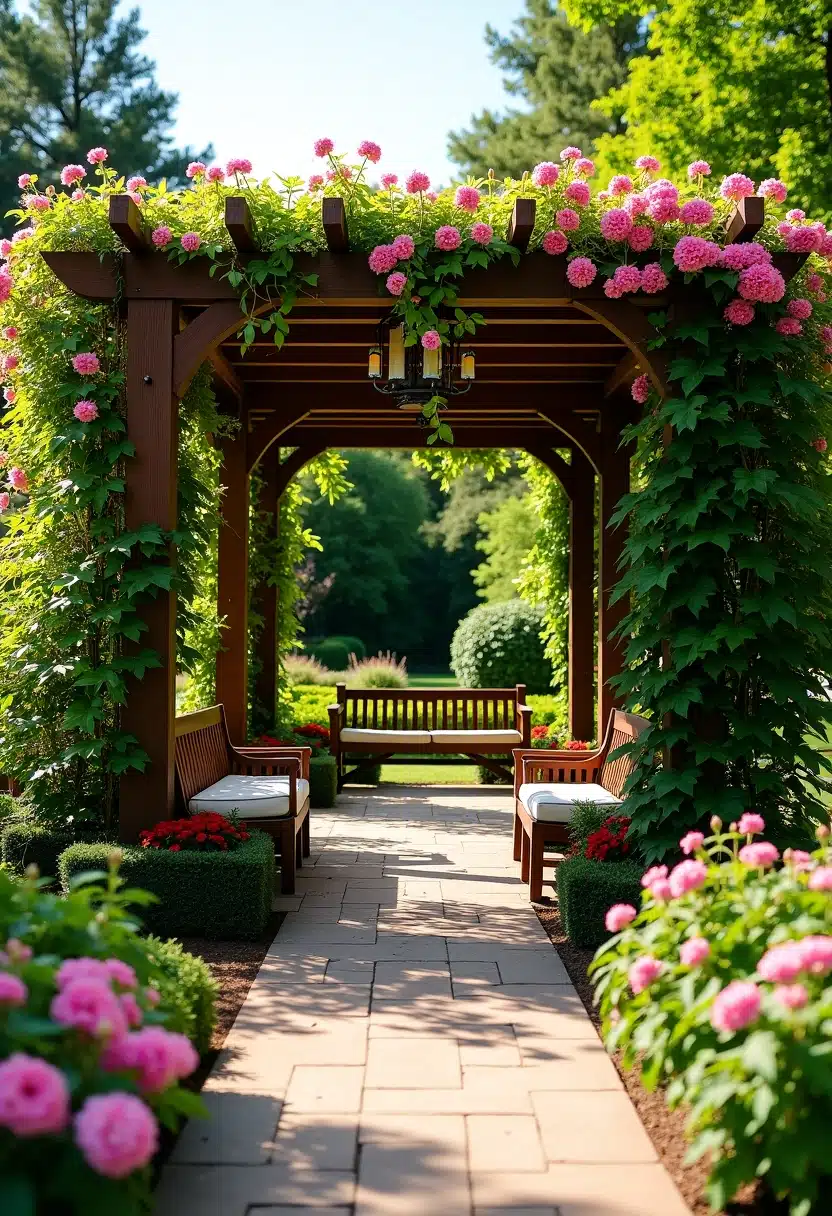
Pergolas and arbors add an element of architectural elegance to your garden, providing a defined space that’s perfect for relaxation or gatherings. These structures not only offer a welcome respite from the sun but also serve as a robust framework for climbing plants, enhancing your garden’s natural beauty. With their versatile styles, they can easily become the central feature of your outdoor design.
When choosing materials for your pergola or arbor, consider the aesthetic and functional harmony with your garden. Popular options include wood for a rustic feel, metal for modern vibes, and vinyl for low maintenance. Make sure the design complements the existing landscape, seamlessly merging with pathways or seating areas for an inviting look.
Incorporating pergolas and arbors into your garden plan can transform the atmosphere by creating defined spaces. Use them to delineate different garden zones or as a passage connecting various areas. Decorate these structures with lights, hanging pots, or colorful vines for added charm. This fusion of function and beauty makes pergolas and arbors an inspiring addition to any garden.
Xeriscaping
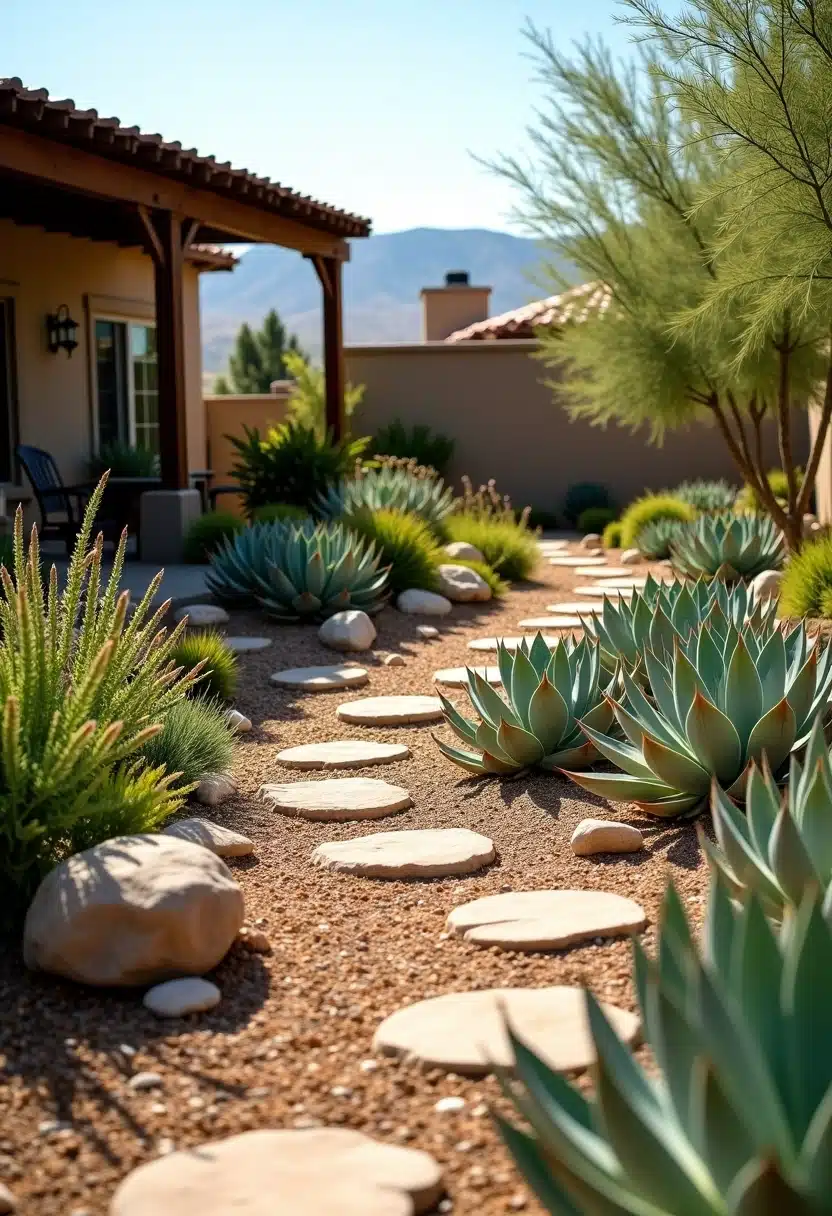
Xeriscaping is an innovative approach to landscaping designed for areas with limited water resources. It emphasizes the use of drought-resistant plants that thrive in arid environments. By choosing the right plants, you can create a stunning landscape while reducing water usage. Incorporate native species, as they’re naturally adapted to your region’s climate, providing lush greenery with minimal maintenance. This technique aligns beautifully with the pergolas and arbors, creating a cohesive aesthetic.
The foundation of xeriscaping lies in improving soil health and employing efficient irrigation systems. Enhance your soil with organic matter to boost water retention and support healthy plant growth. Use drip irrigation to deliver water directly to the roots, reducing waste. Strategic placement of rocks and mulch can help retain moisture and prevent erosion, enhancing your garden’s texture and appeal. These elements seamlessly transition into meditation spaces where serenity is key.
Xeriscaping offers significant environmental and economic benefits. By reducing water consumption, it helps conserve a precious resource and lower utility bills. Additionally, it reduces the need for chemical fertilizers and pesticides, promoting a healthier ecosystem. This sustainable landscaping approach not only protects the environment but also saves you money, complementing areas dedicated to meditation and reflection in your garden. Embrace xeriscaping to enjoy a resilient, vibrant outdoor space that supports mental well-being and ecological balance.
Meditation and Reflection Spaces

Creating meditation and reflection spaces in your garden can greatly enhance your sense of peace and tranquility. These areas should invite you to pause and contemplate the beauty of nature. Incorporating water features like fountains or small ponds can introduce soothing sounds that promote calmness. Consider using natural materials such as stones and wood to create an environment that feels grounded and connected to the earth.
Consider seating arrangements that encourage relaxation and contemplation. A simple bench or a hammock nestled among greenery offers the perfect spot for meditation. Privacy is key. Use tall plants or trellises to create secluded nooks. This not only blocks distractions but fosters a sense of personal retreat, enhancing your mental well-being. Integrate calming colors and textures to boost the serene atmosphere.
The objective is to foster an oasis where you can unwind and reflect. Think about elements like gentle lighting for evening meditation sessions, or wind chimes that add auditory depth to your sanctuary. By thoughtfully designing this garden space, you can create an environment that draws you in and invites regular retreats into nature, supporting a balanced and reflective lifestyle.
Garden Mazes and Labyrinths

Garden mazes and labyrinths invite you into realms of mystery and playfulness, drawing inspiration from history. Designed both for their aesthetic appeal and their symbolic significance, these intricate pathways were once used in ancient times for meditation and reflection. By understanding their historical importance, you can integrate a touch of the past into your garden’s contemporary design, creating spaces that enchant and inspire.
Design Principles and Plant Selection
When crafting a garden maze, focus on a few key design principles: structure, symmetry, and plant choice. Hedges such as boxwood or yew can form the backbone of your maze, offering both beauty and a sense of enclosure. Alternatively, incorporate hardy perennials that can withstand varying weather conditions while providing vibrant greenery. Consider paths with varying widths to guide and delight explorers of all ages through their journey.
Engaging mazes encourage exploration and contemplation for both children and adults alike. To create this experience, consider incorporating different themes or challenges within the maze. Use color contrasts, texture variations, or even playful elements like hidden figurines. Ensure the maze is accessible and safe by considering entry and exit points, clear pathways, and incorporating seating for rest and reflection. This way, your garden becomes not just a visual masterpiece but also an interactive escape for all who wander through.
Embark on the journey of transforming your garden with these incredible landscaping ideas. Whether you aim for tranquility or vibrant life, each element serves to elevate your outdoor space. Embrace the creativity and beauty that gardens can offer, creating a personalized sanctuary that reflects your unique style and brings joy to daily life.