The Essential Role of Ladybugs in Your Vegetable Garden


Welcome to the enchanting world of gardening, where every tiny creature plays a vital role in creating a thriving ecosystem. Among these heroes of nature, the ladybug stands out as one of the most delightful and beneficial allies in your vegetable garden. Known for their charming appearance and polka-dotted wings, ladybugs are not just cute insects; they are natural pest controllers that can dramatically improve the health of your plants. By attracting these valuable beetles to your garden, you’re inviting a host of benefits that not only keep your plants pest-free but also promote a sustainable environment. Let’s explore the essential role of ladybugs and how they can transform your gardening experience!
In the vibrant world of gardening, ladybugs stand out as tiny but mighty allies. These adorable insects are not just charming to look at; they play an essential role in maintaining the health of your vegetable garden. They are natural predators against common pests, helping to protect your precious plants from harm. This article explores the myriad benefits of ladybugs, how they contribute to your garden’s ecosystem, and tips for attracting these beneficial beetles to your outdoor space.
Natural Pest Control
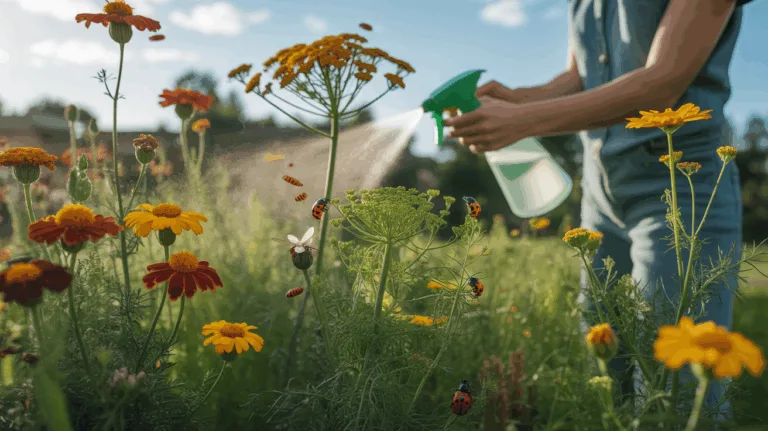
Ladybugs are renowned for their predatory instincts. They consume a staggering amount of pests, particularly aphids, which are infamous for damaging vegetable crops. In fact, a single ladybug can feast on up to 5,000 aphids in its lifetime. This remarkable feeding capability positions ladybugs as effective warriors in the battle against harmful insects. Their appetite for aphids, whiteflies, and mites means that by inviting ladybugs into your garden, you significantly reduce the need for harmful chemical pesticides.
Creating a Ladybug-Friendly Environment
To harness the power of ladybugs, it’s crucial to create an environment that invites them into your garden. Start by planting a variety of nectar-rich plants that are known to attract ladybugs. Some favorites include dill, fennel, and marigolds. These flowers not only provide nourishment but also offer shelter for ladybugs, making it easier for them to thrive. Additionally, avoiding chemical pesticides is vital; even natural alternatives can deter ladybugs. Instead, consider using organic pest control methods that coexist peacefully with these beneficial beetles.
Water and Shelter: Essential Components
Providing a water source is another important aspect of creating a thriving ladybug habitat. Simple dishes filled with shallow water can serve as hydration stations for these tiny insects. By adding small stones to the container, you give ladybugs a safe place to perch while drinking. Furthermore, ensuring there are areas with dry leaves or straw allows ladybugs to seek refuge and hide from predators, thereby supporting their population on your property.
Understanding the Ecosystem
Embracing ladybugs in your vegetable garden goes beyond just controlling pests; it’s about fostering a balanced ecosystem. By allowing ladybugs to thrive, you inadvertently support other beneficial insects and pollinators that share your garden. This rich biodiversity can lead to healthier plants and increased yields in your harvest. Additionally, incorporating various plant types not only attracts ladybugs but also enriches the soil and promotes overall garden well-being.
Tips to Attract Ladybugs
To transform your garden into a ladybug haven, implementing a few strategies can make a world of difference. First, cultivate a diverse array of plants that offer both food and habitat. Second, make use of companion planting, where you plant species that naturally coexist, benefiting each other. Consider creating clusters of plants to establish a microhabitat that ladybugs find appealing. Lastly, releasing purchased ladybugs should be done in a thoughtful manner; ideally, do this in the late afternoon when they are less likely to fly away.
Why Ladybugs Are Your Best Friends
With their charming appearance and incredible ability to manage pest populations, ladybugs have earned their reputation as gardeners’ best friends. They are not only effective but also provide a natural solution to pest control, ensuring a healthier garden without the need for harsh chemicals. Embrace these incredible insects, and you will undoubtedly witness the positive impact they have on the vitality of your vegetable ecosystem.
For more insights on enhancing your garden experience, check out some of our creative ideas, such as 25 creative vegetable garden ideas, and effective tips to eliminate garden bugs. Dive into the world of sustainable gardening with our shocking secrets to keep pests away and learn how to achieve self-sufficient gardening or elevate your vegetable garden design.
When it comes to maintaining a healthy and thriving vegetable garden, ladybugs are truly your best friends. These small, vibrant beetles are natural predators, playing a crucial role in controlling pest populations. A single ladybug can consume a staggering amount of aphids—up to 5,000 in its lifetime! This extraordinary appetite makes them an invaluable ally against common garden pests, ensuring that your vegetables remain safe and healthy.
In addition to aphids, ladybugs feast on a variety of harmful organisms, including mites, whiteflies, and scale insects. By keeping these pests at bay, ladybugs not only protect your crops but also promote a balanced ecosystem within your garden. Their presence indicates a diverse and healthy environment, contributing to the overall vitality of your garden.
To attract ladybugs to your vegetable garden, creating a ladybug-friendly habitat is essential. Planting a mix of nectar-rich flowers, along with herbs and vegetables that draw in pests, sets the perfect dining table for these beneficial insects. Moreover, avoiding chemical pesticides is crucial; these substances can harm ladybugs and other natural predators, disrupting the delicate balance they help maintain.
Providing natural shelters, such as areas of dry leaves or small stones for them to hide in, ensures that they have the resources they need to thrive throughout the seasons. Additionally, offering water sources like shallow dishes enables ladybugs to drink safely while enjoying your garden.
In summary, integrating ladybugs into your vegetable garden is a holistic approach to pest management. By fostering their presence, you can cultivate a bountiful and flourishing garden, rich in both yield and biodiversity.