Effective Tips to Eliminate Garden Bugs


Every gardener dreams of a vibrant, flourishing garden, but pesky insects can often disrupt this vision, turning lush greenery into a battleground. Learning to gently but decisively reclaim your precious greenspaces from intrusive bugs is essential for anyone with a love of gardening. Let’s delve into practical tips that can help keep your garden sanctuaries pest-free, ensuring your plants not only survive but thrive.
Dealing with garden bugs can be a frustrating aspect of gardening, but with the right strategies, you can effectively manage these pests and enjoy a thriving garden. This article provides comprehensive tips and solutions to deter, control, and eliminate garden bugs using natural and environmentally friendly methods.
Understanding Your Garden’s Ecosystem
Before you engage in battle with the bugs, it is crucial to understand your garden’s ecosystem. Each bug has its role, and not all are harmful. Some insects are beneficial and help with pollination or control other harmful pests. By understanding the balance of your garden’s ecosystem, you can make informed decisions about managing bugs.
Identifying Harmful Bugs
Begin by identifying which pests are causing harm to your plants. Common garden pests include aphids, slugs, snails, and Japanese beetles, each with distinct characteristics and behaviors. Knowing the enemy helps you to choose the most effective control techniques.
Natural and Preventive Methods
There are several natural solutions and preventive measures you can take to protect your garden from bugs without resorting to harsh chemicals.
Physical Barriers and Traps
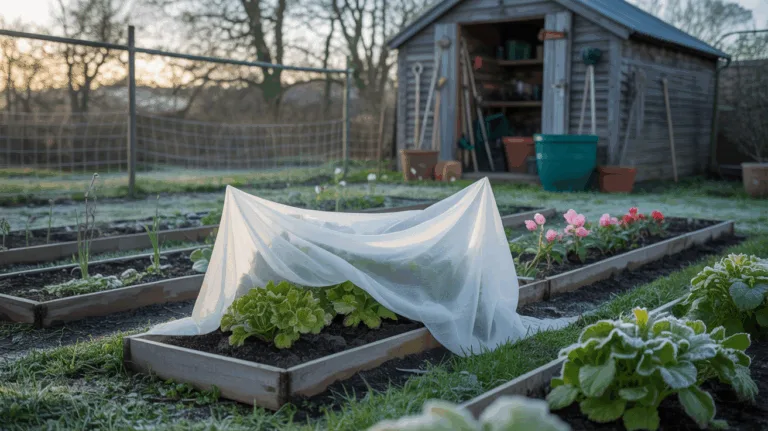
Utilizing physical barriers like nets, floating row covers, or collars around the stems of plants can prevent bugs from reaching your plants. Traps such as pheromone traps or sticky traps can also be effective in catching and monitoring bug populations.
Organic Insecticides and Repellents
When natural barriers are not enough, organic insecticides like neem oil, diatomaceous earth, or insecticidal soap can provide relief. It’s important to apply these treatments in the evening or early morning to avoid harming beneficial insects like bees. Homemade repellents, using ingredients like garlic or chili pepper, can also deter pests naturally. Discover natural pest control secrets here!
Cultivating Plant Health
Healthy plants are less susceptible to bug infestations. Ensuring your plants have the right nutrients, water, and sunlight not only boosts their growth but also their natural defenses against pests.
Soil Health
Amend your soil with compost and ensure it is well-drained and aerated. Healthy soil supports robust plants which are better at resisting pests naturally.
Proper Watering Techniques
Overwatering can lead to root diseases which weaken plants and make them more susceptible to pests. Water your garden early in the morning to allow water to soak deeply into the soil, promoting healthier root systems.
Biological Controls
Incorporating biological controls is a fantastic way to manage pests sustainably. Introducing natural predators like ladybugs, lacewings, or predatory mites can help keep pest populations in check.
Encouraging Beneficial Insects
Attracting beneficial insects by planting nectar-rich flowers or creating insect hotels can provide natural pest control while also adding beauty to your garden.
Maintaining Biodiversity
Maintaining a diversity of plants in your garden creates a more resilient ecosystem. Diverse planting discourages widespread infestations as pests are less likely to find all their favorite foods in one place.
For more creative and effective ways to enhance your garden design while managing pests, explore innovative garden design ideas and learn about sustainable gardening at Eco-Friendly Garden Design.
Get additional tips and tricks for a flourishing garden by visiting Secret Gardening Hacks and Creative Vegetable Garden Ideas.
As many garden enthusiasts know, insects can be a major nuisance, often jeopardizing the health and appearance of our beloved plants. However, managing these pests doesn’t always require harsh chemicals; instead, embracing environmentally friendly methods can prove both effective and safe. Here are some proven strategies to keep your garden thriving by keeping pests at bay.
Firstly, the implementation of physical barriers such as garden netting or floating row covers can effectively shield plants from flying pests and crawling critters. These barriers not only prevent insects from reaching the plants but also help in creating a microenvironment that can boost plant growth. Another important practice is crop rotation. Changing the positions of plants each growing season confuses pests and reduces the chances of infestation greatly.
Moreover, attracting beneficial insects like ladybugs, lacewings, and predatory wasps by planting native flowers or herbs is a smart and natural way to combat harmful pests. These allies help maintain a balance by preying on pest species and reduce the need for manual intervention. Additionally, practicing regular garden maintenance such as removing dead leaves, clearing up debris, and keeping the foliage dry can significantly minimize the habitats for pests to thrive.
Using organic pesticides such as neem oil, insecticidal soaps, or homemade remedies like garlic or chili spray can also be effective when used judiciously. These solutions target pests without causing harm to the ecosystem. It’s crucial to apply these treatments during the cooler parts of the day, either early morning or late evening, to prevent the sun from burning the plant leaves.
Implementing these strategies requires patience and persistence, but the result is a healthier, more vibrant garden. Integrating these practices not only benefits the vegetation but also supports the surrounding biodiversity, contributing positively to the environment’s natural balance.