
Proctor’s Garden: Why Pruning Plants Now Could Be a Mistake
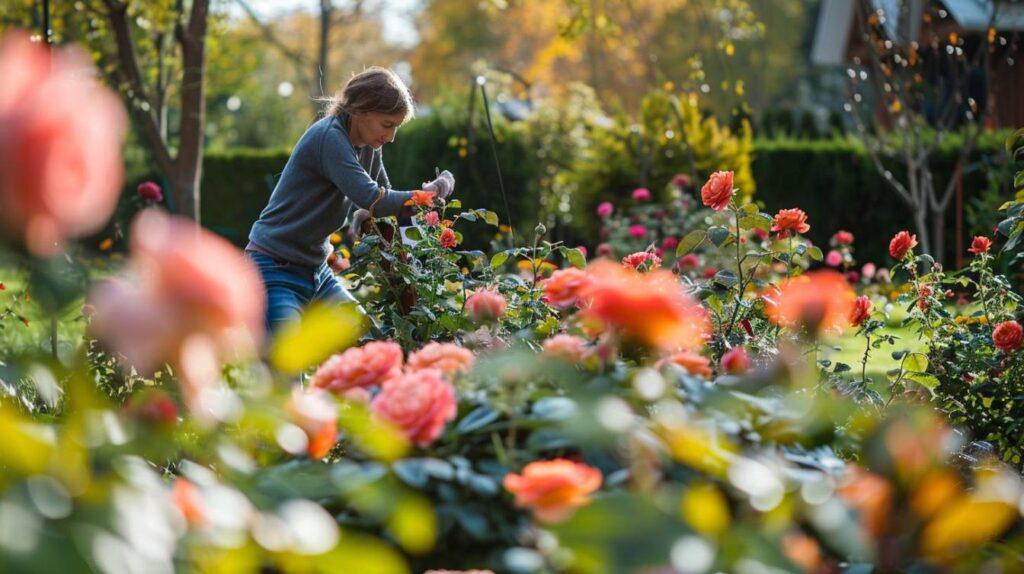
As the vibrant colors of autumn paint our landscapes and gardens, it can be tempting to tidy up and prune your beloved plants. However, garden experts, including the seasoned Rob Proctor, advise against pruning at this time of year. Instead, embracing the natural beauty and structure that fall and winter bring to your perennials and shrubs can greatly benefit your garden. This article delves into why it’s best to delay pruning, the potential pitfalls of premature cuts, and how to properly care for your plants during this season.
The Perils of Premature Pruning
Pruning is an essential gardening task that promotes growth and plant health, but timing is crucial. Cutting back your plants now could trigger new growth due to a chemical reaction caused by the cuts. This new growth is vulnerable to impending cold temperatures, which could severely harm or even kill parts of your plants. Moreover, many perennials exhibit a stunning fall color and impressive winter form. Opting to leave your plants intact not only enhances the aesthetic appeal of your garden but also provides crucial habitats for various wildlife.
Why Autumn is Not Ideal for Roses
Roses are a perfect example of a plant that should not be pruned in fall. When you prune roses at this time, it encourages new growth at a moment when you want the plant to conserve energy for survival during winter. The optimal time for pruning roses, as highlighted by experts, is late winter or early spring when temperatures begin to rise, ensuring a breathtaking bloom in the spring. In the meantime, let the rose hips develop for an added visual delight in your garden, offering food for birds during colder months.
The Beauty of Leaving It Alone
Many gardeners may worry about the messy appearance of their unpruned garden. However, leaving your plants as they are can add a new dimension to your landscape. The dried seed heads, intricate branches, and frost-dusted foliage create a picturesque scene. Leaving your plants unpruned also supports biodiversity by providing shelter and food for various beneficial garden creatures.
Protect Your Garden’s Winter Habitat
Uncut plants serve as crucial refuges for local wildlife. Birds can find seeds and insects in these leftover plant structures, while certain perennials house overwintering insects. By maintaining this natural habitat, you actively contribute to your garden’s ecosystem health, ensuring its vibrancy come spring. For supplemental tips on safeguarding your garden from pests, consider using simple household ingredients. Learn how to protect your garden from squirrels here.
Proper Timing for Pruning
If you’re determined to prune your garden, it’s vital to wait for the correct timing. Late winter to early spring serves as the prime window for making most significant cuts. By this point, plants have entered dormancy, meaning cuts will inflict less stress and promote robust growth as temperatures rise. The strategy aligns perfectly with the natural growth cycle and grants your garden a head start for the coming season.
Developing a Pruning Plan
Before planning your pruning, it’s essential to assess your plant types and specific needs. Knowing what types of plants you have—and their specific pruning needs—can prevent common mistakes and tailor your gardening strategy. More information on gardening essentials can be found here.
While it may be tempting to cut back and clean up, exercising patience during fall can be incredibly beneficial for your garden’s health. By embracing the autumn and winter forms of your perennials and shrubs, you’ll not only save yourself extra work in the long run but also celebrate the beautiful cycle of nature. Remember, perfect timing is everything for thriving gardens and happy gardeners.
Understanding the Timing of Pruning: Lessons from Proctor’s Garden
Pruning is an essential component of garden maintenance, as it encourages more growth and improves plant health. However, knowing the right time to prune is vital to the success of your garden. Rob Proctor, a renowned garden expert, warns against cutting back plants during the fall. By learning from Proctor’s Garden, we gain insight into the common pruning mistakes that can hinder your plants’ performance.
Fall is a season where many perennials burst into incredible colors, creating a picturesque scene that’s best left untouched. Proctor emphasizes leaving these plants undisturbed, as their natural forms contribute to the aesthetics of both autumn and winter. Not only do these plants add beauty, but they also provide essential habitats for various wildlife, contributing to a thriving ecosystem.
Another critical reason to avoid pruning in fall is that many plants may begin an untimely growth spurt. When branches are trimmed, it triggers a chemical reaction promoting new growth. The vulnerability of these fresh shoots, especially against the biting winter cold, can lead to plant damage or even death. Instead, embrace the winter silhouettes of your garden, waiting until the late winter or early spring to snip and shape where necessary.
Roses and lavenders, for instance, are best trimmed as spring burgeons, allowing them to thrive as the days grow warmer. This timing encourages deep root development, fortifying the plants for the summer heat, ensuring a robust and healthy garden comeback.
To elevate your gardening endeavors, it’s important to learn from critical pruning mistakes and apply the lessons from Proctor’s Garden. By understanding the importance of seasonal timing, your garden can both look its best and function effectively as a sustainable environment. From balancing the visual appeal to preserving plant health, equipping yourself with this knowledge paves the way for a more fruitful and resilient garden.