
Innovative Ways to Repurpose Cardboard Boxes for Winter Plant Protection in Your Garden
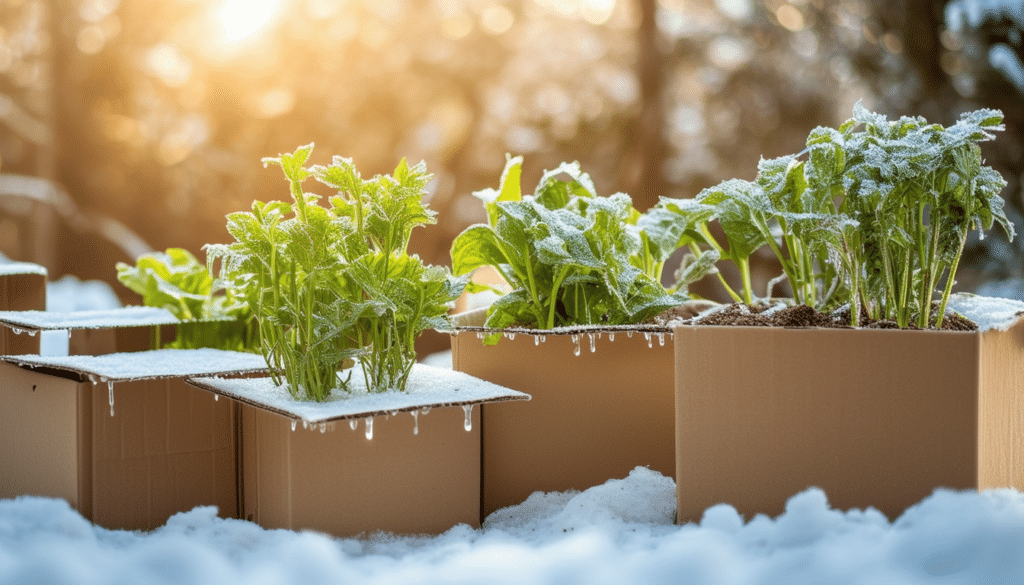
As the chill of winter approaches, many garden enthusiasts find themselves searching for creative methods to shield their beloved plants from the harsh cold. Surprisingly, an eco-friendly solution might already be lying in your storage—a collection of cardboard boxes! These boxes, often neglected after deliveries, can be ingeniously repurposed to create a warm haven for your plants, ensuring they thrive despite the freezing temperatures. Let’s unravel the secrets of transforming these everyday materials into vital insulators for your winter garden, combining sustainability with practicality.
Winter is coming, and as the temperatures drop, many gardeners find themselves worrying about their outdoor plants. Fear not! Cardboard boxes can be your garden’s best friend this season. By repurposing corrugated cardboard, you can create an innovative way to insulate and protect your plants from the cold, ensuring they thrive until spring. Let’s dive into the creative methods you can employ to turn those old cardboard boxes into essential gardening tools.
The Science Behind Cardboard Plant Protection
The water inside plant cells contains sugars and nutrients, which lowers the freezing point compared to water outside the cells. When plants are exposed to freezing temperatures without protection, the water inside the cells can freeze, causing cell wilting and even plant death. Fortunately, cardboard acts as an insulator, creating a barrier and keeping the soil warmer than the air.
Cardboard Cloches: A Simple Yet Effective Solution
One of the simplest methods is to turn cardboard boxes into plant cloches. These work by trapping the soil’s warmth and shielding plants from frosty winds. To create a cloche, place a cardboard box over individual plants. Ensure the box completely covers the plant without touching it, and make sure the cardboard reaches the ground to capture the warmth.
Weighted Down for Stability
On especially windy days, garden cloches can become airborne. Adding weight, such as bricks or stones, to the flaps of the cardboard boxes will stabilize them. This not only secures your cloches but also provides additional insulation.
Creating a Warm Environment with Cardboard and Hot Water
To enhance the insulating effect of your cardboard boxes, consider placing a jug of warm water near your plants. The water will release heat throughout the night, further protecting your plants from frost. It’s a practical and straightforward winter gardening hack that works wonders.
From Trash to Treasure: Cardboard Mulching
Cardboard mulching is a fantastic way to protect raised beds during the winter. By laying cardboard over the soil and covering it with compost or mulch, you block weeds and preserve soil nutrients. This method is both eco-friendly and incredibly effective.
Gardening Borders and Beyond
Use cardboard boxes to define and transform your garden borders. This creative approach not only utilizes the cardboard in a practical way but also gives your garden a refreshed look. Discover more inspiring garden border ideas here.
Recycling Cardboard for a Low-Cost Greenhouse
A savvy use of cardboard is constructing a small greenhouse. Simply assemble the boxes into a rectangular shape, using tape to secure them. This little greenhouse can provide shelter for numerous plants at once, making it a cost-effective solution for winter.
Remember: Inspect and Adapt
After utilizing cardboard for protection, periodically inspect your plants. Even if they show signs of frost damage, wait until spring for pruning to avoid triggering premature growth. The goal is to maintain plant wellbeing throughout the colder months.
With these innovative strategies, your garden will not only survive but thrive during the winter. Get more insights on cultivating a flourishing garden in winter here.

Innovative Cardboard Solutions: A Winter Shield for Your Garden
Embracing the versatility of cardboard boxes during the winter months offers an eco-friendly and cost-effective approach to safeguarding your beloved garden. When the cold weather descends, many plants struggle to survive. Fortunately, these humble boxes can provide a vital protective barrier, keeping your outdoor plants safe from snow and ice.
By creating a layer of warmer air around your plants, cardboard boxes serve as an incredible insulation source. This shields plants from freezing temperatures while ensuring necessary airflow. Corrugated cardboard, with its layered design, is particularly adept at maintaining warmth — the perfect ally for garden enthusiasts striving to maintain plant health even as the temperature dips.
When using cardboard as a protective measure, ensure it reaches the ground. This helps to trap the natural heat emanating from the soil, which is less susceptible to freezing. Additionally, a jug of hot water placed nearby can enhance this insulation effect, providing extra warmth during chilly nights. For added stability against winter winds, weigh down the box flaps with stones or bricks.
As part of a zero-waste initiative, cardboard boxes present a sustainable solution for gardeners who treasure their craft. By choosing recycled materials over plastic alternatives, you’re directly contributing to an environmentally responsible gardening practice. Moreover, this technique brings dual benefits — protecting your plants while reducing waste.
Finally, do not rush into pruning frost-damaged plants after removing the protective boxes. Allowing your plant to naturally recover is essential to prevent further injury. This patience pays off as you watch your garden flourish when spring rolls around. With these innovative strategies, cardboard boxes transform from mere packing materials to vital winter shields in your gardening toolkit.