
A Comprehensive Guide to Growing Aloe Vera and Harvesting Its Gel
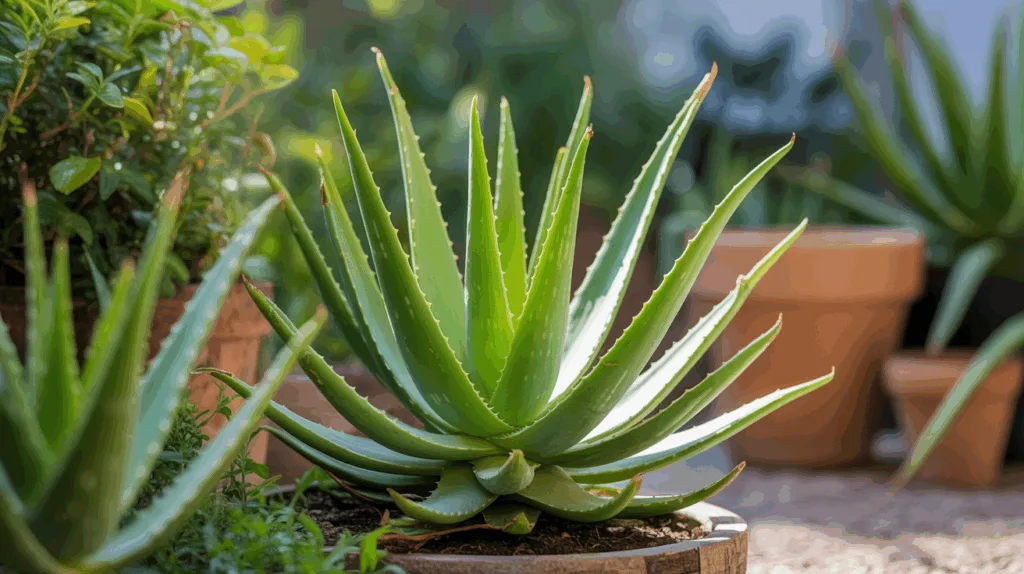
Are you ready to dive into the wonderful world of Aloe Vera? This remarkable succulent is not only a beautiful addition to your home or garden but also a powerhouse of benefits! Known for its healing properties, Aloe Vera thrives in a variety of conditions, making it a perfect choice for both novice and experienced gardeners. In this comprehensive guide, we will explore how to grow this hardy plant, the best practices for harvesting its gel, and the myriad of ways you can use this incredible natural resource to enhance your well-being!
Aloe vera, often hailed for its healing properties and versatility, is not only easy to grow but also incredibly rewarding to harvest. This guide will take you through the essentials of producing this remarkable plant, including tips on its growth requirements and the best practices for harvesting its soothing gel. Let’s discover how to care for your aloe vera plant and make the most of its benefits!
Getting Started: Understanding Aloe Vera
Before diving into the growing process, it’s important to understand the characteristics of the aloe vera plant. This succulent is recognized for its thick, fleshy leaves, which store water and nutrients. Originating from the Arabian Peninsula, aloe vera can thrive in various climates but prefers warm, dry conditions. Optimal growth occurs in USDA Hardiness Zones 8 through 12, making it suitable for both indoor and outdoor gardens.
Planting Your Aloe Vera
Choosing the Right Location
When planting aloe vera, it’s essential to find a spot that receives plenty of sunlight. Ideally, your aloe should get about 6 to 8 hours of indirect sunlight each day. If growing indoors, a south or west-facing window works best. Outdoors, make sure the area is well-drained to prevent root rot.
Soil Requirements
Aloe vera thrives in well-draining soil. A cactus mix or a combination of standard potting soil and sand works beautifully. This mixture ensures that the plant doesn’t sit in water, which can lead to decay. Consider adding perlite or pumice to enhance drainage.
Potting Your Aloe Vera
For potted aloe vera, choose a pot with drainage holes. When potting, gently place the plant into the soil, making sure the crown is above the soil line. Water the plant lightly; remember that overwatering is a common mistake.
Caring For Your Aloe Vera Plant
Watering Routine
Aloe vera prefers to be on the drier side. Water your plant every 3 weeks or when the top 2 inches of soil feel dry. In winter, reduce watering even more as the plant enters dormancy.
Fertilization
During the growing season (spring and summer), you can feed your aloe vera every 4-6 weeks with a diluted, water-soluble fertilizer. This will encourage healthy growth and enhance its vitality.
Pest and Disease Management
While aloe vera is generally resilient, it can attract pests like aphids or mealybugs. Regularly inspect your plant for any signs of infestation and treat with a natural insecticidal soap if necessary. Make sure the environment remains dry to prevent mold and rot.
Harvesting Aloe Vera Gel
When to Harvest
Typically, you can begin harvesting from a mature plant after about 3 years of growth. Look for the large, healthy leaves that are at the base of the plant for the best quality gel.
Steps to Harvest Aloe Vera Gel
To extract the gel, follow these easy steps:
- Cut a Leaf: Use a sharp knife to select a large, healthy leaf, cutting it as close to the stem as possible.
- Drain the Leaf: Place the leaf upright in a cup or bowl to allow the yellowish-orange sap, known as aloin, to drain out. This step is crucial if you plan to consume the gel.
- Slice the Leaf: Lay the leaf flat and cut it lengthwise to expose the gel inside.
- Scoop the Gel: Use a spoon to carefully scoop out the translucent gel from the leaf, avoiding the green skin.
Storing Aloe Vera Gel
Fresh aloe vera gel should be stored in an airtight container and can last up to a week in the refrigerator. For longer storage, freeze the gel in ice cube trays, then transfer the cubes into a freezer bag. This way, you can enjoy your aloe vera benefits anytime!
Using Aloe Vera Gel
Aloe vera isn’t just for skin healing, it has a plethora of uses! Here are some innovative ways to incorporate this magical gel into your routine:
- Natural Moisturizer: Apply directly to the skin for deep hydration.
- Makeup Primer: Use as a base before applying makeup.
- Natural Exfoliator: Mix with brown sugar or coffee for a gentle scrub.
- Soothing Remedy: Use on sunburns or insect bites for quick relief.
By mastering the art of growing aloe vera and harvesting its gel, you can enjoy the endless benefits this plant has to offer! For more tips on caring for your aloe vera, check out our guide on caring for your aloe vera. To enhance your garden space further, explore stunning landscaping ideas at our landscaping ideas page. Want to add a bit of greenery to your bathroom? Discover the top plants for your bathroom for a relaxing oasis. Don’t forget that aloe vera can be a great addition to your vegetable garden too, learn more at our medicinal plants guide!
Growing Aloe Vera is not only rewarding but also an opportunity to harness the incredible benefits of this versatile plant. Known for its healing properties, Aloe Vera is a resilient succulent that thrives in various environments, making it an essential addition to any garden or home. Whether you’re a seasoned gardener or a beginner, establishing a healthy Aloe Vera plant is achievable with the right care and understanding of its basic needs.
The journey begins with selecting a suitable location for your Aloe Vera, ideally in a well-draining soil that contains adequate sunlight. Once planted, this hardy species requires minimal maintenance, making it perfectly suited for those with a busy lifestyle. Regular watering is essential, but be cautious not to overwater, as Aloe Vera prefers to dry out between watering sessions.
When it comes time to harvest the precious Aloe Vera gel, following the proper techniques is crucial to ensure both the longevity of the plant and the quality of the gel. Start by selecting a mature leaf and cutting it close to the base. Allow the yellowish sap to drain out before slicing the leaf open to scoop out the clear gel. This gel is rich in vitamins and minerals and can be used in various applications, from skincare to digestion.
The versatility of Aloe Vera gel knows no bounds—it’s a natural moisturizer, a soothing treatment for sunburns, and even a key ingredient in DIY beauty products. With proper care, your Aloe Vera plant will continue to reward you with an abundant supply of gel, enriching your life in manifold ways. Embrace the journey of growing and harvesting Aloe Vera, and enjoy the myriad benefits it brings to your home and health.