
Medicinal Plants to Grow in Your Vegetable Garden
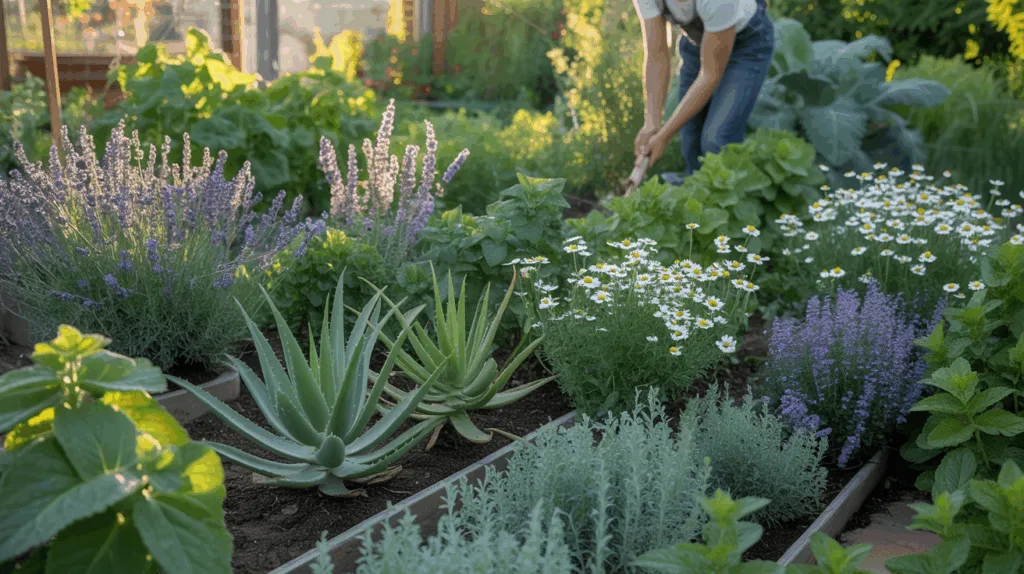
Creating a vegetable garden is a delightful pursuit, but did you know that you can also incorporate medicinal plants into your green oasis? These plants not only enhance the nutritional value of your garden but also provide a wealth of natural remedies at your fingertips. From soothing herbs like lavender to powerful healers such as aloe vera, the right selection can transform your outdoor space into a vibrant healing hub. Whether you’re a seasoned gardener or just starting out, exploring the world of medicinal herbs can add both beauty and functionality to your garden.
Growing medicinal plants in your vegetable garden is a fulfilling and beneficial practice that allows you to create an oasis of health right at home. These plants not only enhance your garden’s beauty and biodiversity but also offer a plethora of natural remedies for common ailments. In this article, we’ll explore a selection of powerful medicinal plants that you can easily cultivate alongside your vegetables.
Why Grow Medicinal Plants?
The inclusion of medicinal plants in your garden provides numerous advantages. Firstly, they can serve as natural remedies, helping you reduce reliance on medication and synthetic alternatives. For example, the gel from the leaves of aloe vera is known for its potent healing properties, acting as a natural antiseptic and anti-inflammatory agent. Additionally, growing herbs such as rosemary not only enhances culinary dishes but also supports cognitive function.
Choosing the Right Location
Before you start planting, ensuring that you select the right location for your medicinal plants is crucial. Most herbs prefer a site with full to partial sun and well-drained soil. Conduct a soil test to understand its pH level, as many herbs thrive in slightly acidic to neutral soil (pH 6-7). If space is constrained, container gardening could be a flexible alternative.
Top Medicinal Plants to Consider
Aloe Vera
Aloe vera is one of the most popular medicinal plants to cultivate in any garden. This succulent is well-known for its use in soothing burns, skin irritations, and promoting healing. Its unique gel can be harvested directly from the leaves and applied topically.
Cilantro
Cilantro is not only a delightful herb to flavor your dishes, but it also offers impressive detoxifying properties. It’s effective in binding to heavy metals in the body, aiding in their elimination. This versatile herb can be seeded in the spring and enjoyed fresh throughout the summer.
Chamomile
Chamomile is another excellent choice for your vegetable garden. Known for its calming effects, chamomile can be brewed into tea, providing relief from insomnia and anxiety. Its delicate flowers not only beautify your space but also attract beneficial insects, enhancing biodiversity.
Lavender
Lavender is famed for its enchanting fragrance and soothing qualities. This perennial herb can help reduce stress and promote relaxation. Moreover, it can be dried and used in sachets, or as a natural insect repellent, making it a practical companion in your garden.
Mint
Mint is a robust herb known for its digestive benefits. Whether used in teas or culinary dishes, mint can provide instant relief from nausea and upset stomach. Its vigorous growth pattern means it is best kept in containers to prevent it from overtaking other garden plants.
Creating a Medicinal Herb Garden
To successfully create a medicinal herb garden, start with a selection of your favorite herbs alongside your vegetables. Consider herbs like thyme, sage, and oregano, which not only uplift your meals but also contain noteworthy health benefits. Shielding these plants from excess moisture and pests can help ensure their thriving growth.
Utilizing Your Harvest
Once your medicinal plants are established, learning how to use them can maximize their benefits. For instance, drying herbs such as comfrey (known for its remarkable healing capabilities) can enable you to create homemade tinctures or salves. Explore different third-party resources to gather recipes and techniques tailored to herbalism and natural remedies. You can also check out this guide on comfrey for further insights.
Incorporating medicinal plants into your vegetable garden can transform your gardening experience while providing you with natural remedies at your fingertips. From soothing teas to healing salves, the benefits of growing your own medicine are immeasurable. Dive into this rewarding adventure and enjoy the perks that come with nurturing a diverse and healthy garden.
Exploring the Riches of Medicinal Plants in Your Vegetable Garden
Integrating medicinal plants into your vegetable garden is a fantastic way to enhance not only the beauty of your outdoor space but also its functionality. These plants, often overlooked in traditional gardening, offer a wealth of benefits that can elevate your gardening experience. From alleviating common ailments to enhancing culinary dishes, they can provide fresh, organic alternatives to store-bought remedies.
One of the most appealing aspects of growing medicinal herbs is their versatility. Take aloe vera, for example; known for its powerful healing properties, the succulent is perfect for soothing minor burns and skin irritations. Mint is another stellar choice, offering not only digestive benefits but also a delightful flavor in teas and desserts. The presence of such plants can transform your garden into a personal apothecary just steps away from your kitchen.
Moreover, growing your own medicinal plants fosters a deeper connection to nature. You can witness the entire growth process, from seed to harvest, which is incredibly rewarding. As you cultivate these plants, you’ll learn about their individual needs, promoting a sense of responsibility and care towards the environment. Herbs like rosemary and thyme not only add flavor to your meals but also provide health benefits, making them a double win for your cooking and overall wellness.
Furthermore, incorporating medicinal plants encourages sustainable gardening practices. By bypassing chemical alternatives, you can ensure that your medicinal remedies are not only effective but also free from harmful substances. Essential herbs like chamomile and echinacea can be used to create teas, tinctures, and salves, empowering you to take charge of your health naturally.