
The Syrphid Fly: A Beneficial Insect for Your Garden
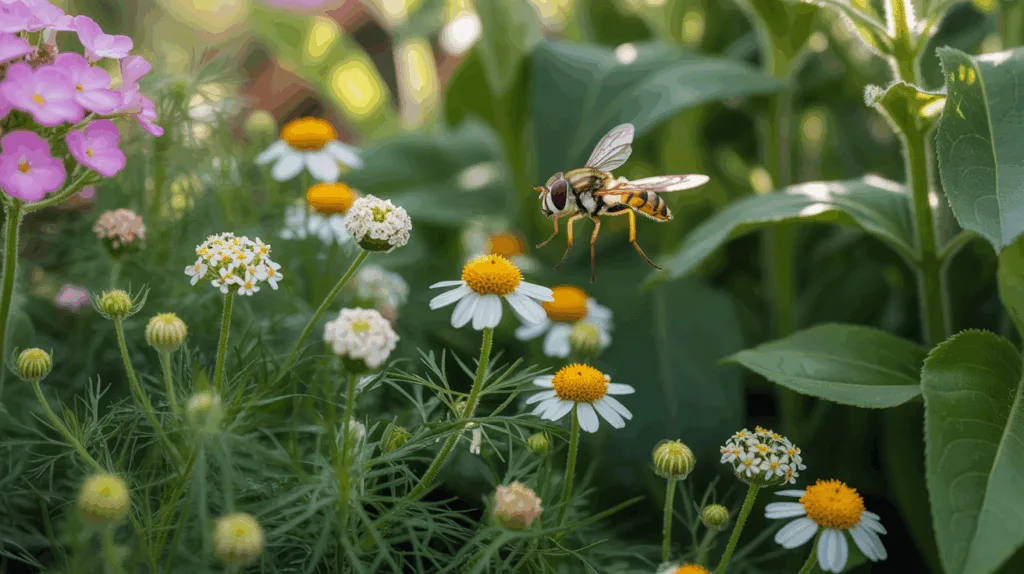
If you desire a thriving garden, embracing beneficial insects is a must, and the syrphid fly, commonly known as the hover fly, stands out as a true champion. These fascinating insects not only add beauty to your outdoor space as they flit from flower to flower, but they also play an essential role in controlling pest populations such as aphids and mealybugs. Understanding the importance of syrphid flies can transform your garden into a vibrant ecosystem, fostering a harmonious balance between plants and pests.
The Syrphid Fly, also known as the hover fly, is not just a common sight in gardens but a vital ally in maintaining ecological balance. These fascinating insects are nature’s little superheroes, actively participating in pest control and pollination. This article delves into their life cycle, their benefits to the garden, and how you can attract them to your outdoor spaces.
Understanding the Syrphid Fly
Syrphid flies belong to the family Syrphidae, which comprises over 900 species in the United States alone. These insects are often mistaken for bees due to their striking black and yellow markings. However, their behavior sets them apart, as they are adept at hovering in place while searching for flowers to feed on nectar. This unique flight pattern, reminiscent of tiny helicopters, makes them a delightful presence in any garden.
The Life Cycle of Syrphid Flies
The life cycle of the Syrphid Fly begins with the adult female laying eggs near aphid infestations. Once hatched, the larvae emerge, ready to feast on these pesky insects. These larvae are remarkable predators, consuming up to 30 aphids a day and even more as they grow. After a feeding frenzy that lasts several days, they pupate into a cocoon for about ten days in warm conditions, emerging as adults ready to continue the cycle.
Benefits of Syrphid Flies in the Garden
Syrphid flies are not just beneficial due to their larval appetite for harmful pests like aphids, mealybugs, and thrips; they also play a crucial role in pollination. The adults visit a variety of flowers to feed on nectar, inadvertently transferring pollen from one bloom to another, which encourages fruit and seed production. Their dual role as both pollinators and pest controllers makes them invaluable in creating a healthy garden ecosystem.
Attracting Syrphid Flies to Your Garden
To welcome these beneficial insects into your garden, you must create an inviting habitat. Start by planting a selection of nectar-rich flowers, particularly ones that bloom throughout the season. Choose white or yellow flowers, as they are particularly alluring to hoverflies. Additionally, ensure that your garden has a diverse plant composition to provide adequate food and shelter for these insects as well as their larvae.
Supporting Syrphid Flies Year-Round
Maintaining a garden that supports Syrphid Flies goes beyond initial attraction. Offering a continuous supply of blooms and suitable habitats year-round will help establish a thriving population. Avoid using chemical pesticides that can harm not only pests but also these beneficial insects. Instead, consider natural pest control methods that preserve the delicate balance of your garden.
The Importance of Beneficial Insects
The Syrphid Fly is just one of many beneficial insects that contribute to the health of your garden. By fostering an environment that encourages these happy hoverers, you can reduce your garden maintenance efforts while promoting a vibrant ecosystem filled with life. Embracing nature’s helpers not only enhances your gardening experience but also creates a more sustainable environment for all.
The Syrphid fly, often referred to as the hover fly, plays a vital role in maintaining the health and vitality of your garden. These extraordinary insects, which closely resemble bees and wasps, are commonly found flitting about vibrant blossoms. Their unique ability to hover in mid-air allows them to feed on nectar, contributing not only to pollination but also to the overall ecosystem balance within your garden.
Apart from their pollination prowess, Syrphid fly larvae are natural predators of destructive pests like aphids, making them invaluable allies. Each larva can consume 20 to 30 aphids daily, aiding significantly in pest control without the need for harmful chemicals. This natural predation helps create a harmonized garden environment where plants can thrive free from excessive pest damage.
Attracting these beneficial insects to your space can be achieved by creating a welcoming habitat. Incorporating consistently flowering plants that produce nectar throughout the growing season will enhance their presence. Varieties such as white and compound flowers are particularly favored by hover flies, enriching your garden’s aesthetic while fostering a thriving ecosystem.
While they may sometimes be mistaken for pesky nuisances, the Syrphid fly should be celebrated for their contributions as the unsung heroes of the garden. By recognizing their vital role, gardeners can cultivate practices that encourage these allies to flourish, leading to healthier plants and a more sustainable gardening experience. The presence of Syrphid flies not only enhances plant life but also embodies the beauty of nature and its intricate web of interdependence.