Combating the Colorado Potato Beetle: The Top Threat to Potato Crops

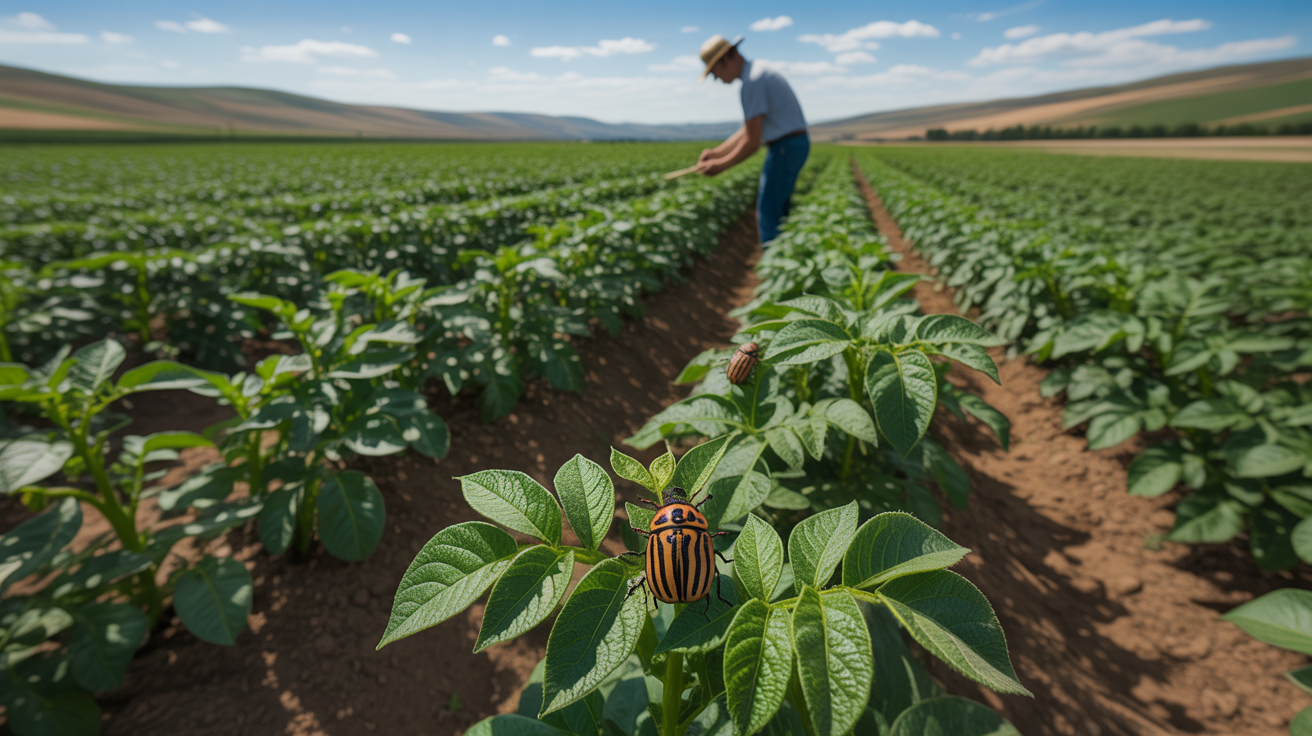
The Colorado potato beetle, known for its destructive appetite, poses a significant danger to potato crops. This voracious pest has become a primary threat to potato farmers in North America and Europe, often leading to devastating yield losses if not managed properly. With both adult beetles and their larvae capable of severely defoliating plants, understanding effective strategies for combating this pest is essential for safeguarding agricultural production and ensuring a fruitful harvest.
The Colorado Potato Beetle, known scientifically as Leptinotarsa decemlineata, stands as a formidable foe against potato crops worldwide. This article delves into the alarming impact of this pest on potato yields and offers effective strategies for combating its devastating effects on agriculture.
The Menace of the Colorado Potato Beetle
Originally identified in 1824, the Colorado Potato Beetle has earned a notorious reputation as one of the most destructive pests targeting solanaceous crops, particularly potatoes. Its voracious appetite leads to significant defoliation, impairing the plants’ ability to photosynthesize and consequently diminishing tuber yield. Infestations can result in losses of up to 100% under severe conditions, highlighting the urgency of effective management strategies.
Understanding Their Lifecycle
Recognizing the lifecycle of the Colorado Potato Beetle is crucial for effective control. The beetle undergoes distinct stages: from egg to larva and then to adult. On warm days, the hatch can occur within 3-4 days, while cooler temperatures may extend this period to 16 days. Knowing these timelines aids in timely intervention to prevent crop damage.
Egg Identification
During scouting activities, it’s vital to flip leaves to check for eggs, which can be identified by their color. Catching them early is essential in mitigating the potential for a full-blown infestation. This diligence goes a long way in protecting your plants from the hunger of this relentless pest.
Effective Management Techniques
Over the years, various control techniques have been developed to combat the Colorado Potato Beetle. Organic methods have gained popularity among gardeners and farmers looking to reduce pesticide use. Natural predatory insects can help, and companion planting is often encouraged to distract the beetles.
Cultural Practices
Implementing cultural practices can significantly reduce the risk of beetle infestations. Rotating crops, for instance, disrupts the beetle’s lifecycle and reduces their numbers. Additionally, maintaining healthy plants through proper nutrition and watering practices strengthens their natural defenses against attack.
Monitoring and Timing
Effective monitoring is critical, as it allows for timely interventions. Keeping a close eye on your crops and acting when beetle numbers begin to rise can prevent severe damage. Timing the application of certain insecticides when eggs are hatching can further enhance control efforts.
Future Innovations in Beetle Management
The battle against the Colorado Potato Beetle continues to inspire innovation. Research into RNAi pesticides holds promise for development as it may offer targeted responses to beetle attacks without harming beneficial insects or other organisms. This emerging technology could revolutionize how we protect crops in the future.
Community Involvement
Collaboration among local farmers and communities is also vital. Sharing experiences, insights, and strategies can enhance collective knowledge and improve the overall effectiveness of pest management efforts in combating this adversary.
From understanding their lifecycle to implementing effective management techniques, tackling the threat of the Colorado Potato Beetle requires a concerted effort. With vigilance and strategic practices, we can protect potato crops while fostering a healthy agricultural ecosystem.
The Colorado potato beetle continues to emerge as a significant challenge for potato growers, with its potential for catastrophic damage on crops. Known for its voracious appetite, this pest can lead to severe defoliation of potato plants, directly impacting yields and the overall health of the crop. Farmers have been grappling with this pest for over a century, with no single solution proving effective in the long run.
Effective management strategies require a multifaceted approach, combining both traditional and innovative tactics. Timing is crucial; understanding the life cycle of the beetle is essential for application of control measures. Monitoring egg hatch, which can occur dramatically faster in warmer temperatures, is vital. Implementing integrated pest management principles, such as crop rotation and the introduction of natural predators, can also play a role in reducing beetle populations.
Moreover, advances in technology have opened avenues for innovative solutions. The development of RNAi pesticides and other biological control methods hold promise in offering sustainable options for growers. These new techniques have the potential to minimize the need for chemical interventions, leading to healthier crops and a more balanced ecosystem.
It is important for education to accompany these methods. Equipping farmers with knowledge about scouting techniques, pest life cycles, and the latest management innovations fosters a proactive stance against the Colorado potato beetle. By embracing collaborative efforts between researchers, agricultural organizations, and farmers, we can forge a path towards sustainable potato cultivation that mitigates the risk posed by this persistent pest.