
Essential Tips for Growing Luscious Lettuce
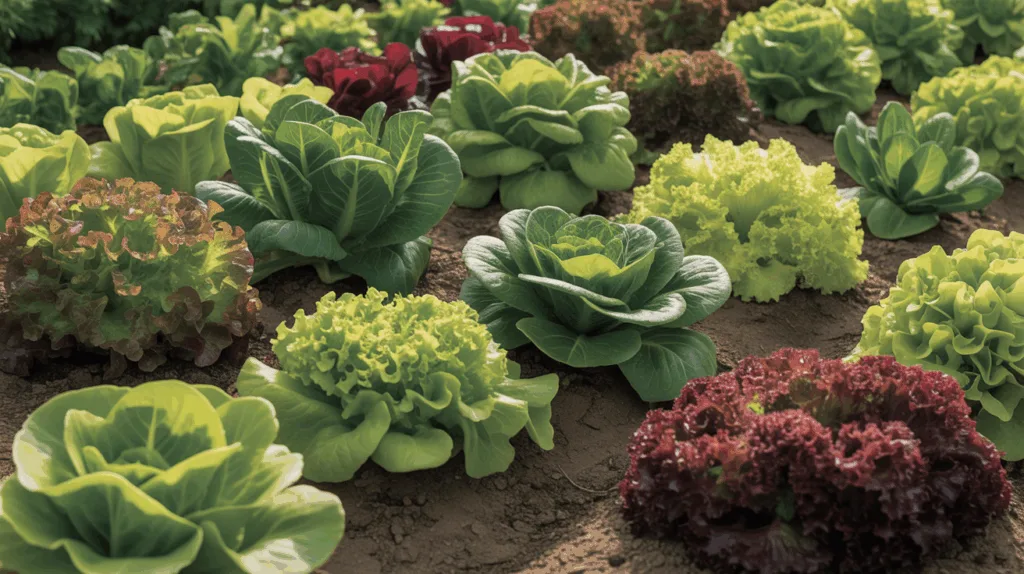
If you’re eager to cultivate a thriving patch of green in your garden, then growing luscious lettuce is a fabulous choice! This versatile vegetable not only adds a fresh crunch to your meals but is also a delight to grow. From the careful selection of the right lettuce varieties to soil preparation, watering techniques, and effective pest management strategies, every step is crucial for achieving a bountiful harvest. Join us as we explore essential tips that will transform your gardening journey and help you enjoy delicious, homegrown lettuce in no time!
Growing luscious lettuce can be an incredibly rewarding experience, whether you’re a seasoned gardener or just starting out. With a few essential tips and techniques, you can cultivate a vibrant crop that is both delicious and nutritious. This guide will walk you through everything from soil preparation and variety selection to care routines and harvesting practices. Get ready to embrace the joys of home-grown greens!
Selecting the Right Varieties
The first step to a successful lettuce garden is selecting the right varieties that suit your taste and climate. Lettuce comes in a multitude of types, including leaf, romaine, and butterhead. Each has unique flavors and textures that can elevate your salads. Consider trying a mix of varieties to enjoy a range of tastes and colors. Heirloom varieties are also popular for their rich flavors and history, making them a great choice for the adventurous gardener.
Preparing Fertile Soil
A healthy foundation begins with nutrient-rich soil. Before planting, amend your garden beds with organic matter such as compost or well-rotted manure. This not only boosts nutrient levels but also helps improve soil structure and drainage. Additionally, test your soil’s pH to ensure it falls between 6.0 and 7.0, which is optimal for lettuce growth. Amending your soil accordingly will set the stage for luscious greens to thrive!
Planting Techniques
Timing is important in planting lettuce. Sow your seeds early in the spring or in the fall for cooler weather varieties. Consider using succession planting by sowing seeds every 2-3 weeks to ensure a continuous harvest throughout the growing season. When planting, space seeds about 12 inches apart to allow for ample growth and airflow. Transplanting seedlings can also be an effective method if you prefer starting seeds indoors.
Watering for Success
Consistent moisture is key to growing crispy lettuce. Aim to keep the top inch of soil consistently moist but not waterlogged. A drip irrigation system can be a wonderful investment to provide even watering and save you time. As the weather warms up, increase your watering frequency, especially when the plants are establishing their roots. Watch for signs of wilting, and adjust your watering schedule accordingly.
Fertilization and Care
To optimize growth, consider applying organic fertilizers throughout the growing season. A balanced fertilizer high in nitrogen can promote lush foliage. Aim to fertilize every 4-6 weeks according to the product instructions. Additionally, keep your garden free from weeds that may compete for nutrients, light, and water. For more effective weeding practices, explore this guide.
Pest Management Strategies
Keeping your lettuce free from pests is crucial for a successful harvest. Monitor plants regularly for signs of common pests like aphids, slugs, and caterpillars. Use row covers to physically protect young seedlings. If needed, opt for organic pesticides or insecticidal soaps that are safe for vegetables. By being vigilant early on, you can prevent major infestations and ensure a healthy crop!
Harvesting Tips
Knowing when and how to harvest is essential to enjoying your home-grown lettuce. Typically, lettuce can be harvested once the leaves reach a usable size, which is usually around 3-4 inches long. To encourage continuous growth, practice the “cut and come again” technique—snipping outer leaves while allowing the inner leaves to flourish. For romaine varieties, pull the entire head when it’s full-sized. Always harvest in the morning for the freshest, crispest greens!
For those looking to expand their gardening skills, don’t miss out on other helpful gardening resources. Discover exciting new gardening activities for your space with tips from our spring activities guide or explore the best beginner-friendly vegetables in your backyard with our top beginner-friendly vegetables article. With the right knowledge and effort, a thriving lettuce garden is entirely within reach!
Growing luscious lettuce is a rewarding experience that brings both joy and fresh, healthy greens to your table. Understanding the importance of soil preparation sets the foundation for your lettuce success. Start by enriching your garden bed with nutrient-rich organic matter, ensuring that it can support healthy growth. The right pH level is crucial as well, typically ranging between 6.0 to 6.8 for optimal growth. Regular pH testing can make a significant difference in your results.
Once you’ve prepared your soil, it’s essential to select the right varieties of lettuce that suit your taste and local climate. From crisp romaine to tender butterhead, choosing diverse types can extend your harvest season and keep your salads exciting. Consider staggered planting every few weeks to ensure a steady supply of fresh greens throughout the growing season.
Effective watering practices also play a crucial role in the health of your lettuce plants. Lettuce requires consistent moisture, but over-watering can lead to rot. Aim to provide about 1 inch of water weekly, either through rainfall or supplemental irrigation. Using drip irrigation can help optimize water usage while keeping foliage dry and minimizing disease risk.
Pest management strategies are equally important for maintaining your lettuce crop. Regularly inspecting your plants for signs of pests and implementing organic solutions, such as introducing beneficial insects or using natural repellents, can help protect your tender greens. Enjoying a bountiful harvest means taking the time to learn about harvesting techniques, ensuring you pick your lettuce at just the right moment for the best flavor and texture.
With a firm understanding of soil health, variety selection, watering practices, and pest management, you’ll be well on your way to cultivating a flourishing lettuce garden.