Identifying Common Butterfly Species in Your Garden

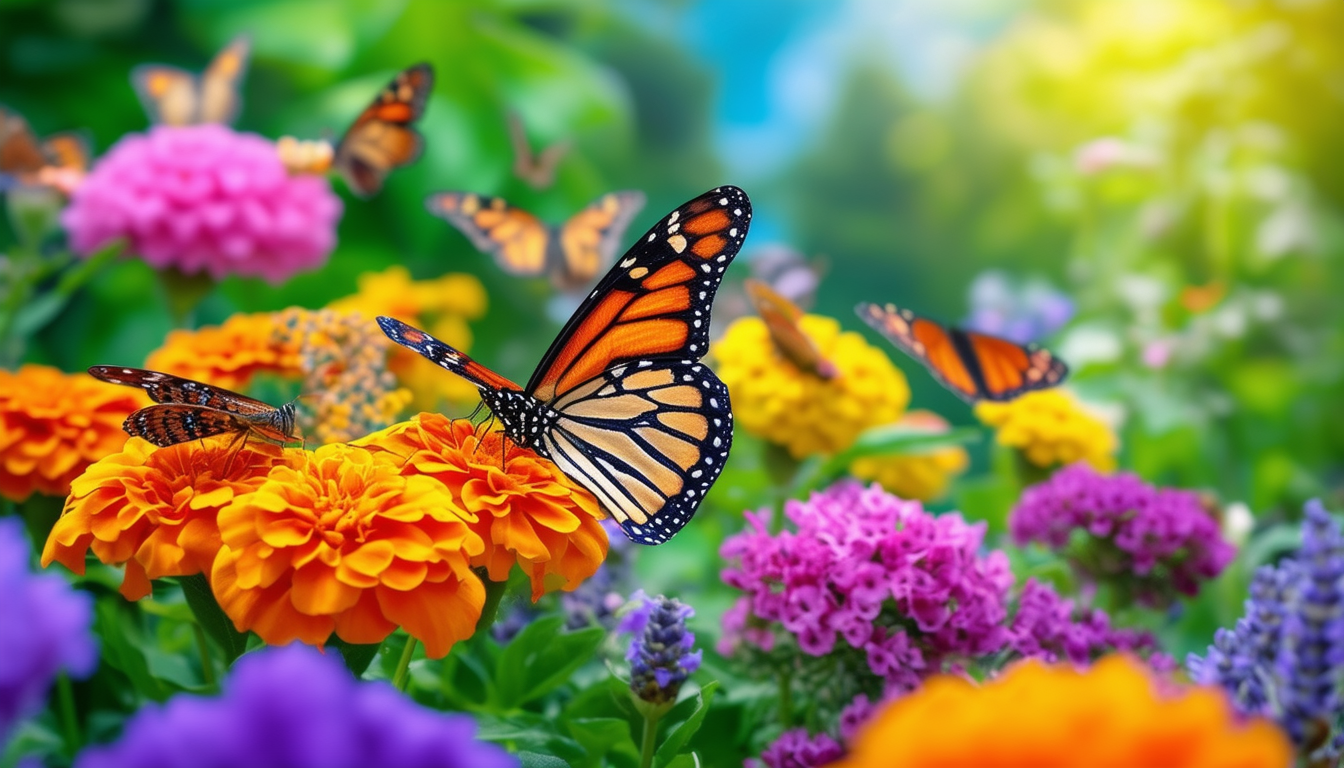
Embark on a delightful journey through the colorful world of butterflies! Understanding the myriad of species fluttering through your garden not only enhances your gardening experience but also contributes to biodiversity conservation. This introduction to common butterfly species will help you notice and nurture these beautiful pollinators, creating a vibrant and thriving garden ecosystem.
Exploring the fluttering wonders of your garden, identifying common butterfly species can turn your ordinary backyard into a vibrant natural haven. This guide will help you recognize some of the most charming and frequent visitors so you can better appreciate their roles in pollination and the biodiversity of your garden.
The Role of Butterflies in Your Garden
Butterflies are more than just aesthetic delights; they are crucial pollinators in many ecosystems. Their movement from flower to flower aids in the pollination process, which is essential for flower reproduction. Understanding and identifying these gentle creatures not only enriches our appreciation of nature but also highlights the importance of maintaining diverse plant life to support them.
Visual Identification Tips
Identifying butterflies often starts with noticing the colors and patterns on their wings. The most common butterflies exhibit a variety of colors including whites, yellows, oranges, and reds. For example, the Monarch with its distinctive orange and black pattern is one of the easiest butterflies to identify. Similarly, the Black Swallowtail features striking black wings with yellow spots, making it another simple species to recognize.
Behavior and Habitats
Butterflies often have specific behaviors and habitats that can aid in identification. Some species like the Cabbage White are often found near vegetable gardens where they lay their eggs on cabbage and other brassicas. On the other hand, Mourning Cloaks prefer wooded areas and are known for their unique behavior of feeding on tree sap and decaying fruit rather than flower nectar.
Seasonal Appearances
The time of year can also play a crucial role in butterfly identification. Many butterflies are more active during specific seasons. For instance, the Painted Lady is typically most visible in spring and fall during migration periods. This seasonal movement adds a dynamic aspect to butterfly watching in your garden.
Attracting Butterflies to Your Garden
To see a variety of butterflies, consider cultivating a butterfly-friendly garden. Planting native flowering plants and providing sources of water and shelter can create an inviting environment for these insects. For more insights and tips on how to design such a space, you can explore detailed guides on creating a sustainable and eco-friendly garden optimal for butterflies here.
Using Online Resources and Apps
For those who are new to butterfly identification, numerous resources are available. Online guides provide photos and descriptions, while apps can offer real-time identification features. Such tools are invaluable for beginners and can significantly enhance your understanding and enjoyment of the butterflies visiting your garden.
Participate in Butterfly Conservation Efforts
Beyond identification, consider participating in butterfly conservation efforts. Many butterfly species are declining due to habitat loss, climate change, and pesticide use. By documenting the butterflies you see and working on conservation projects, you can contribute to their preservation and the overall health of your local ecosystem.
Remember, every butterfly has a role to play in your garden’s ecosystem. By identifying these delightful creatures, we can better understand their needs and how to protect them. For more practical advice on attracting and protecting butterflies, visit Creating a Butterfly-Friendly Garden: Essential Tips for Attracting These Beautiful Pollinators.
Understanding and Identifying Common Butterfly Species in Your Garden
Imagine stepping into your garden and being greeted by a kaleidoscope of fluttering wings—each butterfly a minuscule masterpiece of nature. Identifying these enchanting visitors can transform your casual gardening into a rich, educational experience. Recognizing different butterfly species not only enhances your gardening pleasure but also contributes to their conservation and supports biodiversity.
To begin with, familiarize yourself with the most commonly seen butterflies in your area. The vibrant Monarch, with its iconic orange and black wings, and the delicate, painted lady, adorned in shades of orange and brown, are often garden regulars. Such knowledge allows you to tailor your garden to cater to specific species, ensuring they return year after year. Planting native milkweed can attract Monarchs, while planting a diversity of nectar-rich flowers will appeal to a broad spectrum of butterflies.
Moreover, understanding the life cycles of these butterflies—including the specific plants their larvae feed on—can encourage more sustainable gardening practices. For instance, planting fennel might attract the striking Black Swallowtail larvae, while parsley can be a feast for their caterpillars. By establishing these plants in your garden, you’re creating a haven that supports the entire lifecycle of these butterflies—from egg to adult.
In conclusion, the act of identifying and supporting butterfly populations in your garden is a profoundly rewarding aspect of gardening that beautifies your space and contributes to the ecological health of your local environment. By educating yourself about these creatures and adjusting your garden to their needs, you foster a vibrant, dynamic garden ecosystem where beauty flits on the wings of butterflies daily.