What to Plant in Clumps? After Lettuce, I’m Experimenting with Beets!


In the lush journey of gardening, the art of planting in clumps offers a splendid pathway to efficient use of space and resources. After the verdant waves of lettuce have been harvested, my latest green adventure leads to experimenting with the vibrant, earthy undertones of beets. The endeavor not only promises a burst of color beneath the soil but also an exploration into the synergy of companion planting. As the season unfolds, I’m keen to see how these ruby gems perform, embracing the delicate dance of nature’s own alchemy.
Embarking on a garden exploration can be quite exhilarating, especially when delving into the world of clumping plants. Having harvested a bounty of lettuce, the next venture touches upon the vibrant and nutritious beets. This exploration into beet planting not only extends to planting techniques but also encompasses companion plants and the ideal soil conditions for thriving growth. Let’s dig into this earthy adventure together!
Why Beets and How to Plant Them in Clumps
Beets are not only a nutrient powerhouse but also particularly well-suited for clump planting. This method helps in maximizing space and can even aid in the reduction of weed growth. To plant beets efficiently, place two seeds per clump, ensuring each is nestled into its own little nook within the soil. Within a week, you should see sprouts peeking out, heralding the start of your beet crop’s journey.
Tackling Soil and Spacing
Beets flourish in loose, well-drained soil. If your garden’s earth isn’t quite there yet, some preparation is necessary—perhaps incorporating organic compost can improve the soil structure. When planting, space the clumps about four to six inches apart. This spacing allows for sufficient air circulation and room for growth, essential for the roots to develop robustly.
Companion Planting with Beets
Companion planting can result in mutual benefits for the involved plants. Beets do well when planted alongside bush beans, onions, and cabbage. These companions can help deter pests and even enhance the flavor of the beets. However, it’s crucial to avoid planting beets near pole beans, as they may inhibit each other’s growth.
Continuing Your Clump Planting Journey
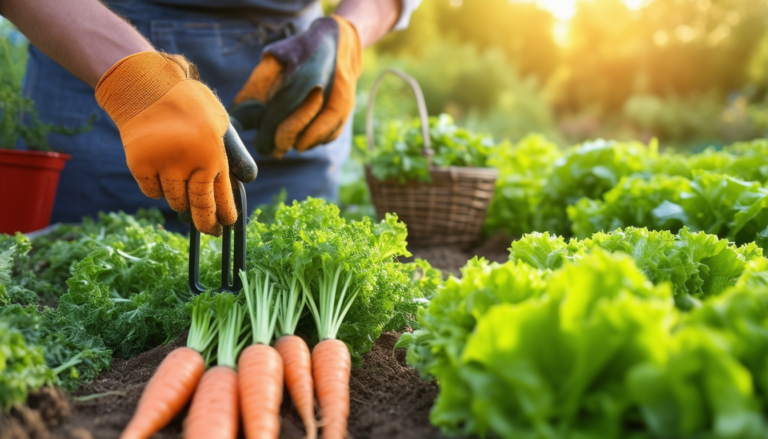
After mastering beet clumps, why not continue this method with other vegetables? Carrots and radishes, for example, also respond well to clump planting. Experiment with different plants to see what works best in your garden setup. Each plant’s success provides valuable insights into your garden’s unique ecosystem.
To further enhance your gardening proficiency, you might want to consider looking into some unique planting ideas. Top 5 Flowering Bulbs to plant now for a vibrant spring garden offers excellent choices that could beautify your space and add color and life to your garden.
Exploring Clump Planting: After Lettuce, Beet Experiments Bloom
After harvesting an abundance of lettuce, my quest for optimizing garden space and efficiency has led me to the world of beets. Planting in clumps, or what some might call “hill planting,” presents an intriguing avenue to potentially boost my garden’s yield. This method is inspired by the concept of intensive planting, where maximizing output in minimal space is key.
The beet seeds have embarked on their journey nestled in the heart of fertile soil mounds. Each mound—carefully crafted to support multiple seeds—promises to encourage robust growth while maintaining an effective defense against the invasion of weeds. This layout not only streamlines the weeding process but also utilizes the natural shading of the plants to minimize unwanted growth. The strategic spacing and depth of planting are designed to optimize root expansion and alleviate the competition for nutrients.
The initial observations are heartening. The germination rate appears promising, and the young beet shoots are emerging with a vigor that mirrors the lush former residents of their plots. Engaging in this experimental clump planting feels not only like a strategic game of chess with nature but also an intimate dance with the cycles of growth and life.
As this experiment continues to unfold, these early results fuel my enthusiasm for what might come. The convergence of traditional gardening wisdom with a dash of innovative experimentation forms the backbone of this journey. Whether it leads to a bountiful harvest or provides new learning opportunities, the adventure of discovering the potential of clump planting in gardening is undeniably enriching.