Design and Plans for the New Garden Featuring a Vegetable Patch


In transforming a humble plot into a vibrant garden, the quest begins with an empty canvas cleared of clutter, setting the stage for thoughtful and strategic planning. The aim is to create a versatile outdoor space that not only yields an array of fresh produce but also serves as an ornamental retreat, an area for children’s play, and a host for biodiversity, all while fostering community through communal gathering spots. The integration of raised vegetable beds, a playful corner for children, and the strategic placement of fruit trees exemplifies the harmony between aesthetics and function in garden design.
Embarking on the journey of creating a new garden with a dedicated vegetable patch involves more than just planting seeds. It requires careful consideration of design elements, functional planning, and a harmonious blend of aesthetics and practicality. This guide will delve into the intricate process of conceptualizing and executing the plans for a garden that is both beautiful and bountiful, ensuring that every square foot of your green space is optimally used.
The Initial Layout and Design
The first step in designing a new garden is establishing a layout that incorporates both the ornamental and practical aspects of gardening. Starting with a cleared and prepped area, the garden should be divided into distinct zones such as a vegetable patch, relaxation area, and possibly a play section if space allows. The vegetable patch should ideally be located in an area that receives ample sunlight, essential for the growth of most vegetables and fruit-bearing plants. Raised garden beds can be a visually striking and efficient way to organize your plantings, and they also help with soil compaction and drainage issues.
Choosing the Right Plants for the Vegetable Patch
When it comes to selecting plants for the vegetable patch, it’s crucial to consider the soil quality, sun exposure, and your personal culinary preferences. Hardy staples like peas require specific care and guidelines, which can be found in thorough resources such as this detailed guide on growing peas in square garden beds. Additionally, planning for seasonal growth ensures that your vegetable patch remains productive throughout the year. Incorporating plants like those suggested in this curated autumn color palette can enhance the visual appeal of your garden while providing a continuous harvest.
Integrating Functional Spaces
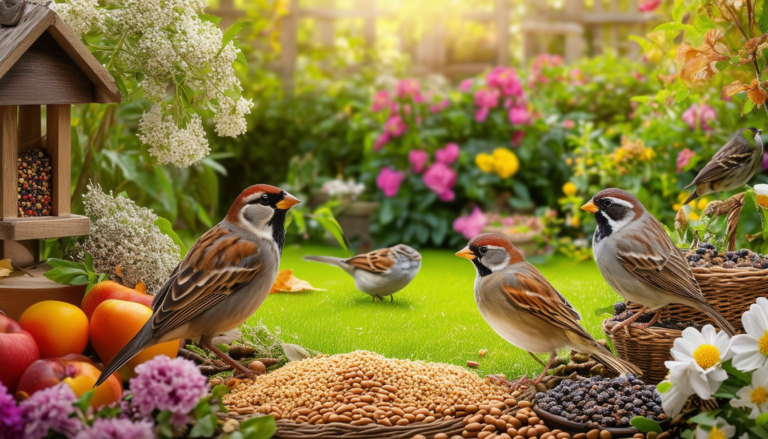
Apart from the basic plantings, a well-designed garden also includes areas for relaxation and play. Strategic placement of benches, pathways, and even a small water feature can create a serene escape. For families, incorporating a safe and visually appealing play area for children can transform a simple garden into a family retreat. It’s also an opportunity to introduce elements of wildlife and biodiversity by planning for bird feeders or a small pond that can attract various species.
Utilizing Advanced Gardening Techniques
Advancements in gardening techniques such as square foot gardening allow for a more systematic approach to planning and planting. By optimizing space, this method can significantly increase yield per square foot. Educational content, such as this article on the latest developments in square foot gardening, provides valuable insights into effectively implementing these techniques in your new garden design.
Maintenance and Sustainability
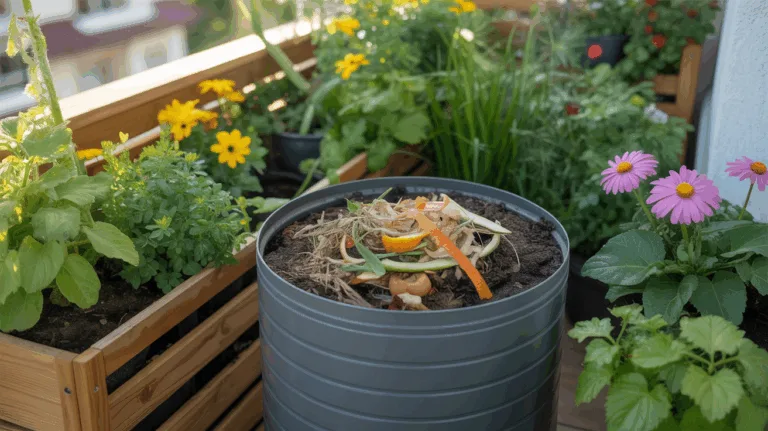
Maintaining a garden requires consistent effort, and sustainability should be a key consideration in the planning phase. Choosing native plants that require less water, implementing composting practices, and using eco-friendly pest control measures are all impactful ways to ensure the garden’s health and longevity. For detailed insights and tips on creating a sustainable and eco-friendly garden, reference guides like this comprehensive resource can be invaluable.
Seasonal Adjustments and Upkeep
As seasons change, so should your garden. Preparing for the colder months involves safeguarding plants, optimizing watering schedules, and perhaps even integrating seasonal blooms that thrive in cooler temperatures. For assistance with these transitions, a well-constructed FAQ section on garden care, such as this one, can offer immediate help and guidelines tailored to various gardening dilemmas.
In conclusion, the design and execution of a new garden featuring a vegetable patch require careful planning, a creative touch, and a willingness to adapt and evolve with the seasons. By integrating both aesthetic and practical elements, your garden can become a sustainable, nourishing, and enchanting space that reflects both personal style and environmental responsibility.
Reflecting on the New Garden Design and Vegetable Patch Implementation
Embarking on the journey to revitalize a garden space and integrating a new vegetable patch is an endeavor filled with potential and promise. As the plans lay out a structured yet enchanting landscape, the anticipation of transforming a blank canvas into a verdant oasis is truly exhilarating. This garden is set to become a sanctuary not only for the family but for the local wildlife, thus crafting a vibrant ecosystem.
The design cleverly incorporates various elements that are aesthetically pleasing while serving practical purposes. By choosing raised vegetable beds, the garden maintains a neat appearance and fosters better soil conditions for the vegetables. These beds enable easier maintenance and harvesting, creating a more efficient gardening experience. Surrounding pathways of smooth lawn and stepping stones enhance accessibility, ensuring that every corner of this green retreat is reachable and enjoyable.
The strategic placement of fruit trees and berry bushes at the garden’s periphery exemplifies thoughtful planning, making effective use of vertical space and natural borders. These not only maximize the growing area but also bring a delightful burst of color and fragrance throughout the seasons. Moreover, integrating a dedicated play area within the garden design underscores the garden’s role as a dynamic family space, where children can play and interact with nature.
Inventing this garden has been an exercise in balancing beauty with utility, nature with nurture. As the seeds are sown and the structures begin to take shape, there is a palpable sense of creating something enduring. This garden, with its lush layers and multifunctional areas, is poised to become a cherished space that invites peace, play, and productivity. It’s a testament to the idea that with careful planning and a dash of creativity, one can indeed create their little slice of paradise.