
What is the Current Status of Seedlings and Square Gardening?
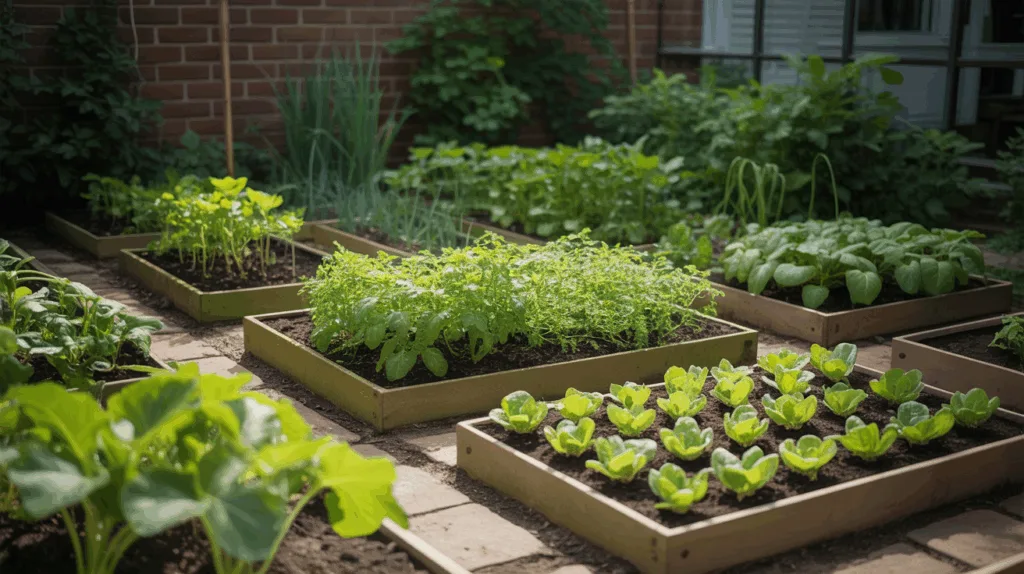
As we dive into the world of gardening, it’s essential to understand the current status of seedlings and the innovative approach of square gardening. This method is revolutionizing how gardeners utilize their spaces, especially in urban settings where room is at a premium. By maximizing the potential of each square foot, gardeners can ensure a bountiful harvest while nurturing their young plants. Join us on a journey to explore the advancements in seedling care and the principles that make square gardening an efficient and enjoyable practice for enthusiasts of all skill levels.
The world of gardening is constantly evolving, and understanding the current status of seedlings and square gardening can empower both novice and experienced gardeners alike. As we explore these topics, we’ll find that seedling care, innovative gardening methods, and sustainability play pivotal roles in shaping how we garden today. Let’s dive into the essence of seedlings and how square gardening can optimize your planting experience.
The Importance of Seedlings in Gardening
Seedlings serve as the foundation for any garden, marking the shift from idea to action in the gardening process. They are young plants that are ready to be transplanted into gardens, making them essential for both vegetable and ornamental gardening. Proper care of seedlings is crucial, as their early stages significantly affect their future growth and productivity. Factors such as light exposure, watering, and nutrient supply play vital roles in this stage.
In 2025, there’s a growing emphasis on hardening off seedlings before transplanting them outdoors. This process involves gradually acclimatizing seedlings to outdoor conditions, thus enhancing their chances of thriving once planted. With various techniques available, including gradual exposure to sunlight and wind, gardeners are encouraged to adopt these practices for optimal results.
The Evolution of Square Gardening
Square gardening is revolutionizing how we approach gardening spaces, particularly in urban environments where space can be limited. This gardening method employs a grid layout, allowing gardeners to maximize planting efficiency while minimizing wasted space. The grids can contain varying numbers of plants based on their sizing, encouraging a more structured and productive gardening experience.
In today’s gardening landscape, the concept of square gardening is recognized for its practicality and effectiveness. With the rise of smaller living spaces, this method not only conserves space but also enhances accessibility and yields a bountiful harvest. By adopting various approaches to companion planting within square plots, gardeners can further enrich their garden’s diversity, leading to healthier plants.
Trends Affecting the Current Status of Seedlings and Square Gardening
As we step into 2025, several trends are influencing the landscape of seedlings and square gardening. One of the most notable is the focus on sustainability and regenerative gardening. Gardeners are increasingly inclined to adopt practices that enhance soil health and biodiversity, ultimately leading to stronger seedlings and vibrant plants.
Additionally, vertical gardening is gaining momentum, transforming spaces into lush green sanctuaries. This technique complements square gardening by utilizing vertical spaces, allowing for increased production even in compact areas. As urban gardening embraces vertical methods, it becomes easier for gardeners to cultivate a wider range of plants, including those that thrive better with upward growth.
Maximizing Yield with Square Foot Gardening
Utilizing square foot gardening techniques can tremendously impact the yield from your garden. By segmenting your planting area into 1×1 foot squares, you can thoughtfully arrange a variety of crops, ensuring that space is used efficiently. This method allows for successive planting, where you can regularly sow new seeds, ultimately leading to continuous harvests throughout the growing season.
For the vegetables that flourish in this setup, consider incorporating high-yield varieties like lettuce or herbs. For step-by-step guidance on building your square foot garden and optimizing planting techniques, you can explore resources that focus on this efficient gardening approach.
Essential Tools for Starting Your Garden
Equipping yourself with the right tools can significantly enhance your gardening journey. Essential tools such as planters, trowels, and soil testers create a strong foundation for growing seedlings in square gardens. Tools specifically designed for organizing and managing square plots facilitate better plant care and maintenance.
For those just beginning their gardening adventure, it is crucial to understand which tools will serve them best. Investigating resources that offer curated lists of tools can provide valuable insights to get started with gardening effectively.
The growing appreciation for seedlings and square gardening reflects a dynamic shift in gardening paradigms, one that prioritizes sustainability, efficiency, and aesthetic appeal. As we progress further into this gardening renaissance, staying informed on these trends will enhance every green thumb’s experience.
Current Status of Seedlings and Square Gardening
The practice of square gardening has gained significant traction, particularly among urban gardeners looking to maximize their growing potential in limited spaces. This method allows for an organized approach to planting, making it easier for both beginners and seasoned gardeners alike to cultivate a variety of plants in a confined area. With careful planning, square gardening enables individuals to effectively utilize every square foot of their garden, resulting in a rich and diverse planting experience.
As for seedlings, there is an increasing emphasis on starting plants from seeds at home, especially for vegetables and herbs. This not only provides gardeners with a wider selection of plant varieties but also fosters a sense of connection to the growing process. Enthusiasts are now more informed about the importance of hardening off seedlings before introducing them to outdoor conditions, ensuring they can withstand temperature fluctuations and thrive in their new environment.
Moreover, the trend towards using native plants and drought-resistant varieties is shaping the current landscape of gardening. These plants are not only well-suited to local climates, but they also require less maintenance and provide essential habitats for local wildlife. As the focus shifts towards sustainability, gardeners are encouraged to incorporate eco-friendly practices, such as composting and integrated pest management, into their routine to enhance the health of their gardens.
Overall, the current state of seedlings and square gardening encapsulates a shift towards practical, aesthetically pleasing, and environmentally mindful approaches to gardening. With urbanization on the rise and more individuals embracing horticulture as a rewarding hobby, the future of growing food at home looks promising and exciting.