
Why Should You Consider Vertical Gardening for Small Spaces?
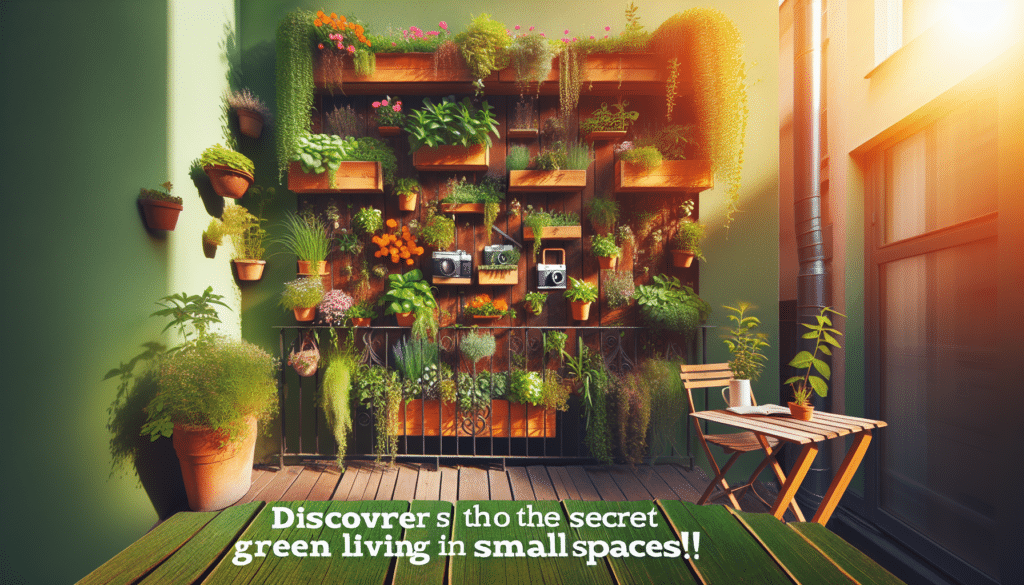
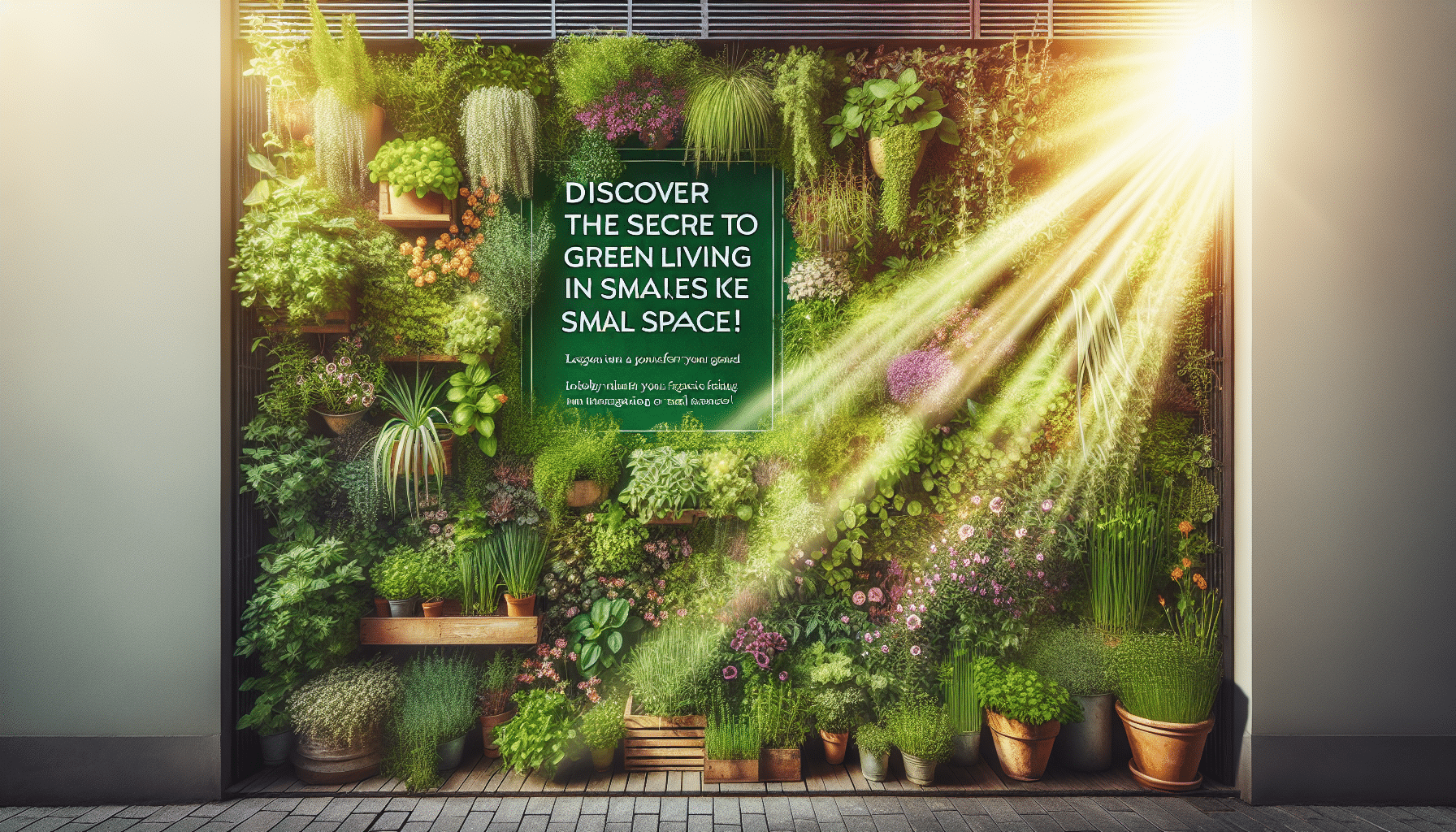
Vertical gardening is an innovative approach that allows individuals to maximize their gardening potential in limited spaces. By encouraging plants to grow upward rather than outward, vertical gardening provides a practical solution for those with small backyards, balconies, or even indoor environments. This technique not only optimizes space but also enhances the aesthetic appeal of your living area, making it an exciting option for urban dwellers and gardening enthusiasts alike.
Space Efficiency: Make the Most of Your Area
One of the primary advantages of vertical gardening is its ability to make the most out of limited space. Instead of spreading plants across a wide area, vertical gardens allow you to utilize walls, fences, and other vertical surfaces. This is particularly beneficial for residents in urban environments where traditional gardening space is scarce. By growing plants upward, you can cultivate a full garden within just a few square feet, showcasing an impressive array of fruits, vegetables, and flowers without requiring an extensive outdoor area.
Sustainable and Accessible Gardening
Vertical gardening proves to be not only a space-saving method but also a sustainable approach to growing food and beautifying your surroundings. This technique involves using materials such as recycled pallets, old shoe organizers, or commercial vertical gardening systems, promoting a DIY ethos that aligns with sustainable living practices. Even those on a budget can set up an efficient vertical garden with minimal investment. It’s an accessible choice for beginners and seasoned gardeners alike, creating opportunities to grow fresh produce and vibrant plants right at home.
Enhanced Aesthetic Value
Beyond practical benefits, vertical gardens can significantly enhance the aesthetic value of a space. Utilizing vertical gardening techniques, individuals can create lush, green backdrops that transform bare walls or empty corners into visually stunning displays. Plants like climbing vines, herbs, and flowers can be arranged in artistic formations, contributing to a serene environment that fosters relaxation. This transformation not only benefits the gardener but can also improve the overall ambiance of the living space, providing a natural focal point.
Improved Air Quality and Environmental Benefits
Incorporating a vertical garden into your home or community space contributes to improved air quality. Plants naturally filter pollutants and produce oxygen, enhancing the environment in which they grow. By cultivating greenery in vertical formations, you are not only creating a beautiful setting but actively participating in the fight against urban pollution. Furthermore, vertical gardens can regulate temperatures around buildings, reducing the heat island effect often seen in urban areas, making them a vital part of sustainable city planning.
Greater Yield in Smaller Areas
Vertical gardening allows for an impressive yield of produce from minimal ground space. This method encourages a higher density of planting, which means you can cultivate a bountiful garden without needing substantial land. This is particularly advantageous for those growing vegetables; climbing varieties, such as tomatoes or cucumbers, thrive when trained to grow vertically, leading to higher productivity. As a result, you can enjoy homegrown food even in the smallest of spaces.