40 Inspiring Small Zen Gardens to Elevate Your Home’s Serenity

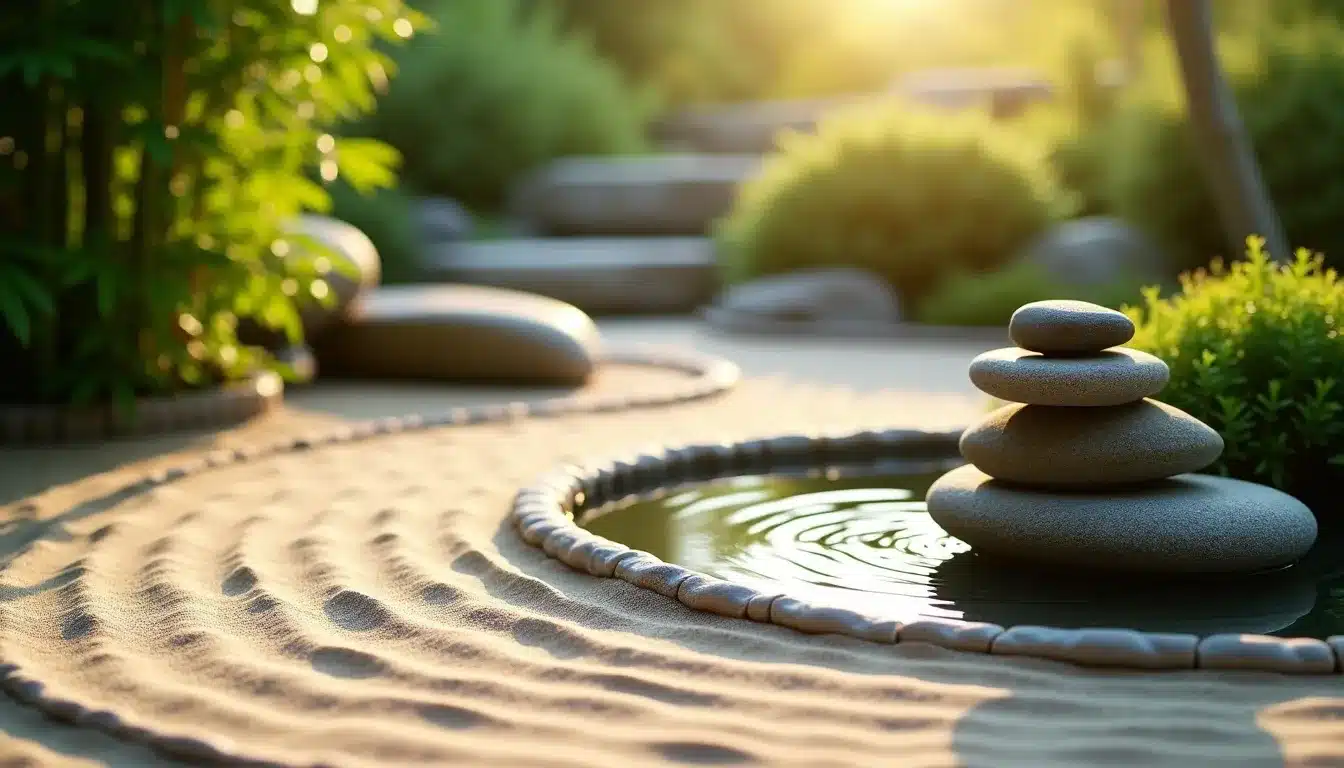
Discover how your small living spaces can transform into peaceful retreats with our listing of 40 Small Zen Garden Ideas. These thoughtful designs focus on minimalistic elements such as stones, sand, and selective plant arrangements that channel the serene elegance of traditional Zen gardens into your home. Embrace tranquility in your everyday environment with these inspiring ideas.
Creating a Mini Zen Oasis
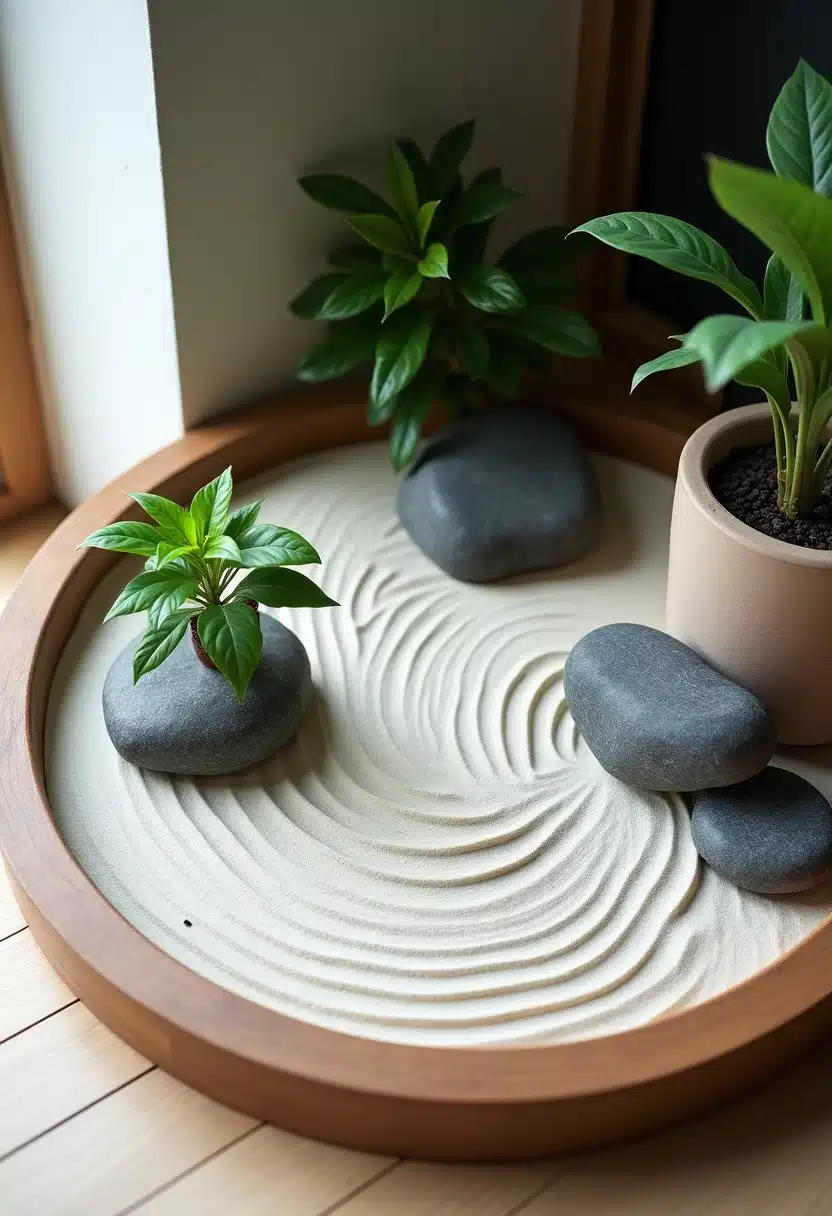
Transforming a small corner of your home into a mini Zen oasis can be a delightful way to introduce serenity into your space. Focus on using minimalistic elements like stones and sand. These components capture the essence of a traditional Zen garden while using very little room. A few strategically placed stones can emulate mountains, creating a sense of balance and harmony.
Sand, carefully raked in patterns, mimics the calming flow of water and can serve as a meditative practice. Incorporating a small plant or two accentuates the space with a touch of life and color. Utilize vertical arrangements or tiered pots to maximize the area effectively. Enjoy the tranquility this mini Zen oasis adds to your home.
Choosing the Right Plants
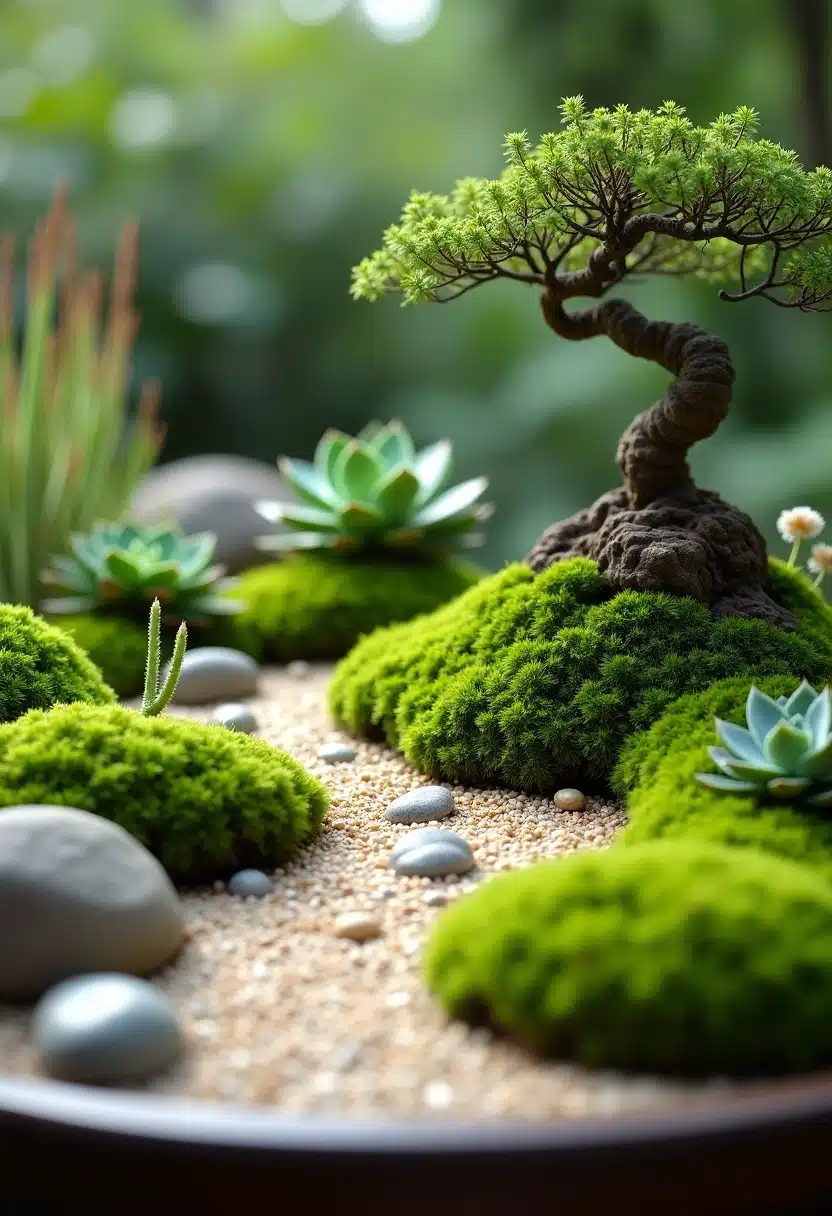
Choosing the right plants is key to enhancing the tranquility of your small Zen garden. Opt for plants that require minimal care yet bring peace and beauty. Moss is an excellent choice for its lush, soft appearance, and it thrives in shaded areas with little maintenance. Incorporate it among stones and sand to mimic the natural serenity often seen in larger Zen spaces.
Succulents are also ideal for a small Zen garden. Their hardy nature and diverse shapes add an interesting visual element. Place them in minimalist arrangements, and their low water needs make them perfect for those with a busy lifestyle. Small bonsai trees can be a wonderful addition, providing a miniature woodland feel without requiring extensive upkeep.
Consider combining these plant options to create a harmonious balance within your Zen garden. A table with various plant characteristics can help you choose the right combination for your space. Here’s a straightforward comparison:
| Plant Type | Light Requirements | Water Needs | Maintaining Complexity |
|---|---|---|---|
| Moss | Shade | Low | Minimal |
| Succulents | Bright Light | Very Low | Minimal |
| Small Bonsai Trees | Indirect Sunlight | Moderate | Moderate |
Incorporating Water Features
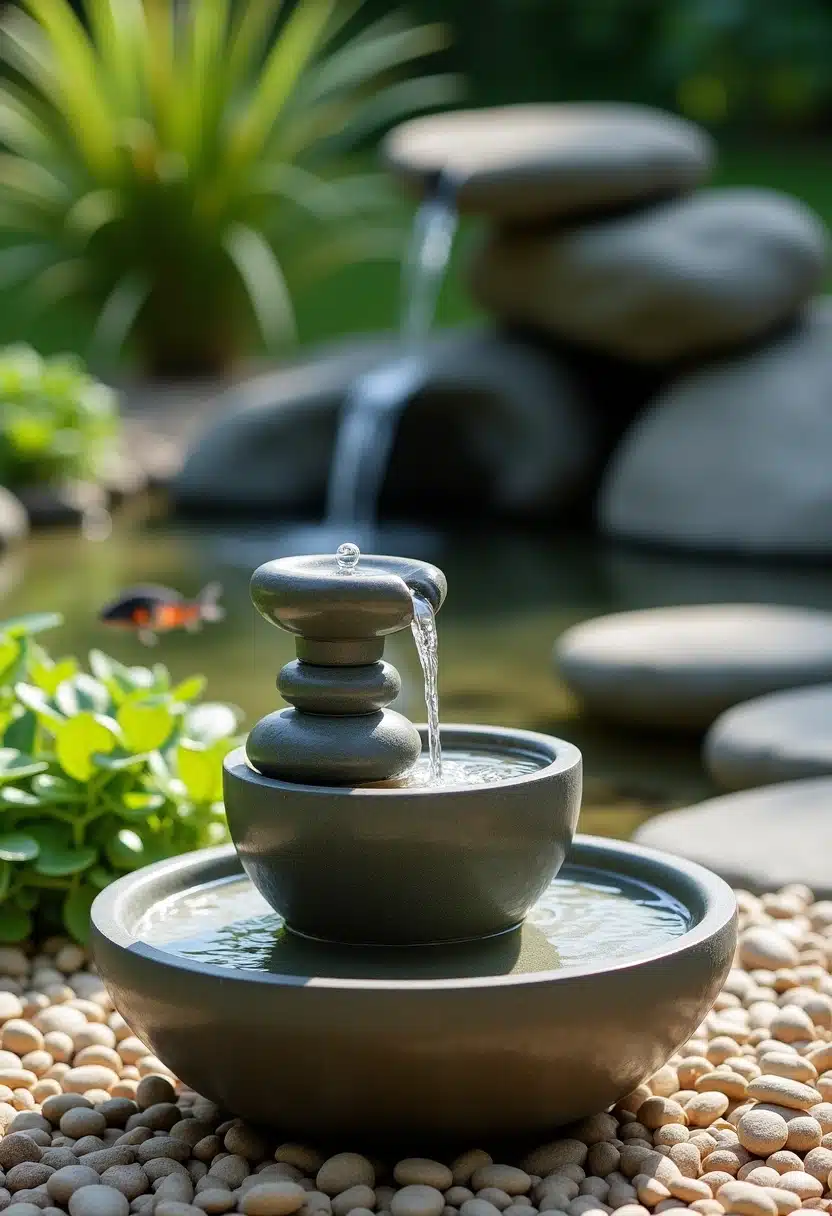
Imagine transforming your Zen garden into a serene oasis by adding the tranquil sound of flowing water. You can start with small water features, like tabletop fountains, which fit perfectly on a garden bench or patio table. These compact options create a soothing ambiance, encouraging relaxation and meditation without overwhelming your space.
If you have a bit more room, consider a miniature pond. This feature, paired with pebbles or sand, enhances the natural aesthetics of your Zen garden. Introducing small aquatic plants or fish can add a dynamic element, bringing a sense of life and movement to your outdoor sanctuary.
These water features not only add auditory pleasure but also improve the visual appeal of your garden. They can be seamlessly integrated into any design, complementing the plants you’ve chosen and setting the stage for the right stones. Explore different shapes and materials to find the perfect balance that reflects your personal taste and enhances your garden’s tranquility.
Selecting Garden Stones
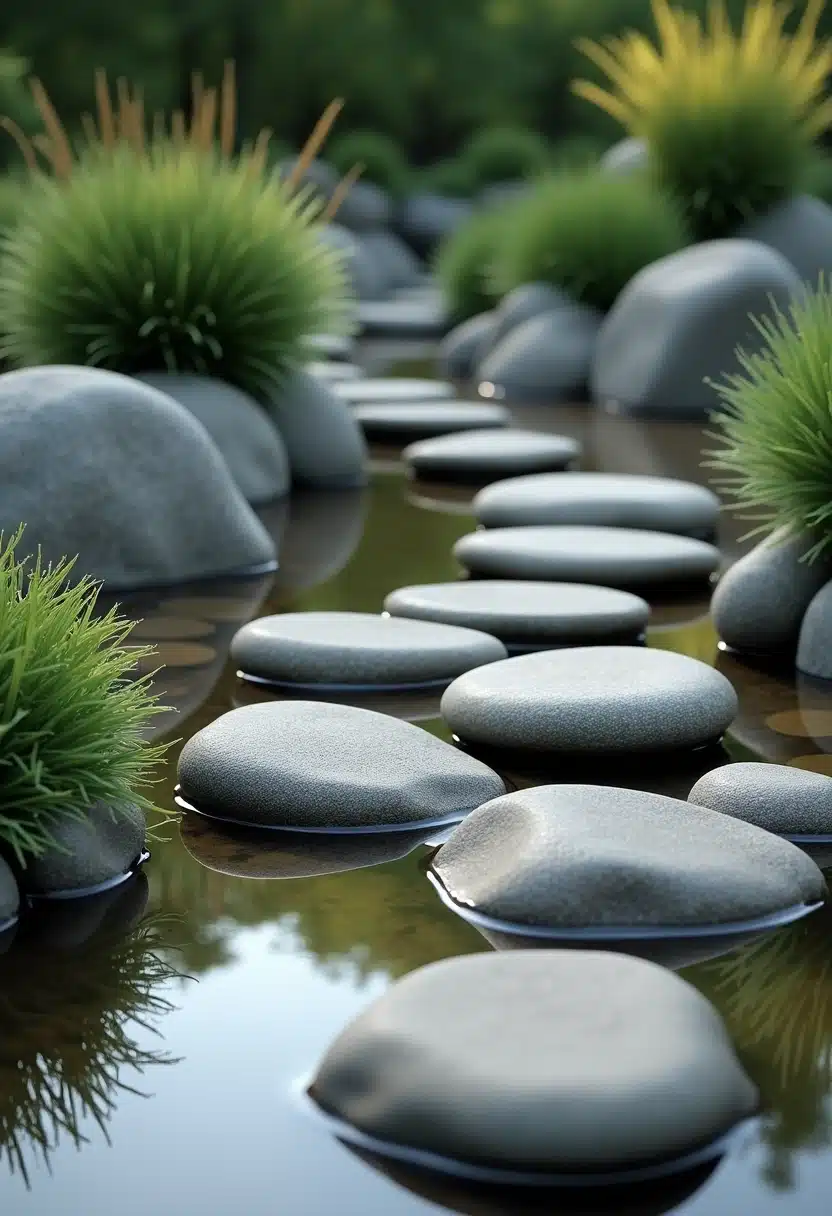
Stones play a pivotal role in a Zen garden, embodying stability and structure. When selecting stones, contemplate their size, shape, and color. Opt for a range of natural hues to mirror the beauty of nature. Different sizes can create visual interest and balance, while smooth or textured stones add depth and character. The right stones should harmonize with your overall garden theme.
Focus on how you arrange these stones to achieve a peaceful harmony. Think about the natural flow and create intentional asymmetrical placements. Picture the stones as islands or mountains in an ocean of tranquility. Layering stones of varying heights can evoke a sense of dimension within your mini oasis. This arrangement will help you maintain a calm and meditative atmosphere.
Consider using specific types of stones that suit your personal taste. For instance, river rocks are ideal for promoting smooth, flowing lines, whereas slate offers a flat, jagged appearance for contrast. Each type brings a unique element to your garden, contributing to a balanced and serene setting. Choose stones that resonate with your style and the peaceful ambiance you wish to create.
Designing with Sand Patterns

Designing with sand patterns in your Zen garden is an art that fosters mindfulness and tranquility. The act of raking sand to create intricate patterns represents the flow of water, a key element in Zen philosophy. This practice encourages focus and relaxation, offering a moment of peace in the midst of a busy day.
To create these patterns, start by using a soft rake or a small comb. Begin with simple designs like lines or circles, then gradually move to more complex patterns such as waves or spirals. Consistency is key to maintaining these designs, and this practice can become a calming daily ritual.
For added creativity, you might want to experiment by incorporating stones into the sand patterns. Consider arranging stones strategically to interrupt the flow of the sand, creating visual interest and promoting harmony. This combination of elements is essential in crafting a balanced and serene Zen garden environment.
Utilizing Bamboo Elements
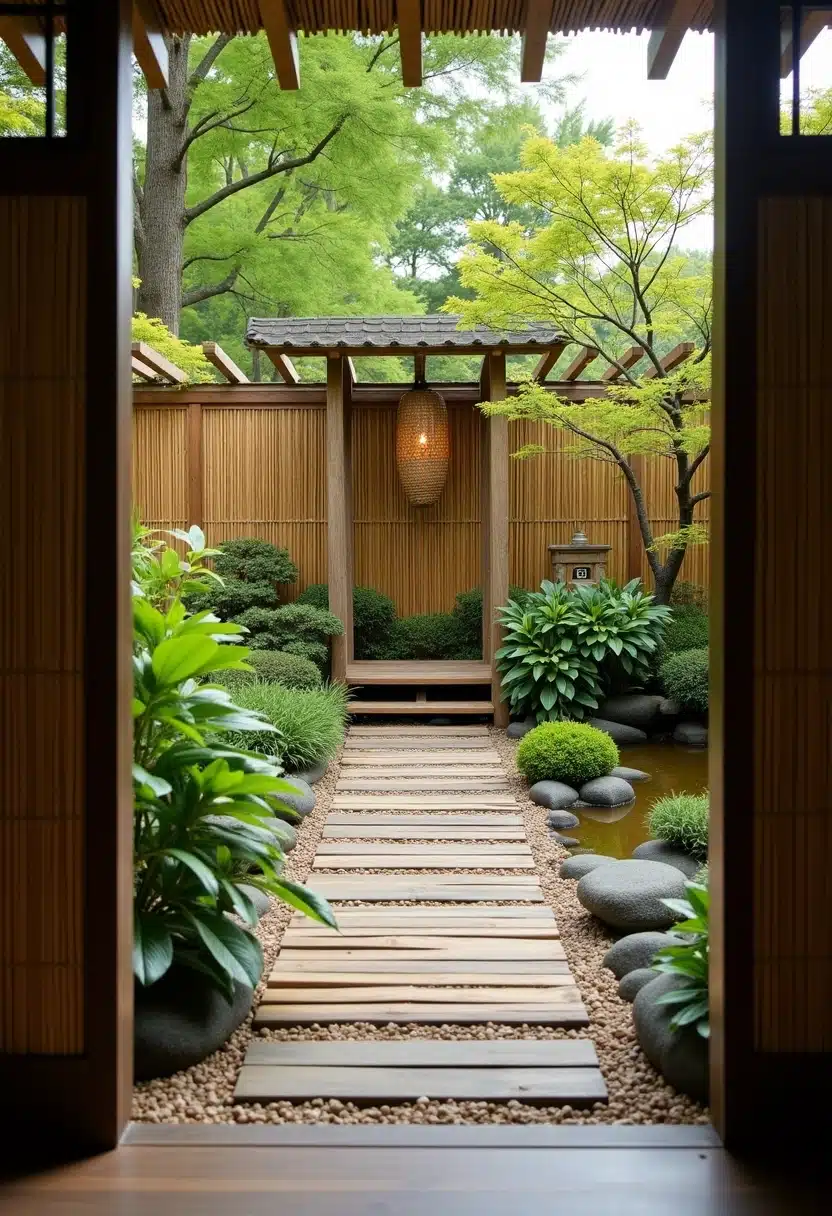
Incorporating bamboo into your Zen garden is a fantastic way to enhance its tranquil atmosphere. Bamboo is not only aesthetically pleasing but also durable and versatile. You can use bamboo to create natural fences, adding privacy and a sense of enclosure to your mini oasis. This builds on the sand patterns discussed earlier, emphasizing tranquility while protecting your garden from outside disturbances.
Bamboo can also be used in smaller decor elements within the garden, like wind chimes or water features. These can produce soothing sounds and add a sensory dimension to your space. Along with crafting structures, bamboo bridges or small arbors can guide you through the garden, offering a seamless transition as you prepare for the upcoming construction of paths with various materials, such as gravel or stepping stones.
Adding a Zen Garden Path

Creating a Zen garden path is a delightful way to lead guests through your tranquil oasis. Choose materials that complement the garden’s calm vibe. Gravel paths are popular, providing a crunchy sound underfoot that enhances the sensory experience. Stepping stones are another excellent choice, offering a more defined route that contributes to the garden’s orderly feel. They can guide visitors while adding texture and depth to your outdoor retreat.
For a cohesive look, select materials that harmonize with other elements in your Zen garden, like water features or plant arrangements. You might opt for natural stones that match the hues of nearby bamboo elements from your existing setup. Remember, the path should feel inviting yet subtle, seamlessly blending into the overall design while offering a gentle journey through your peaceful space.
Integrating Lighting for Ambiance

Bringing the right lighting into your Zen garden can transform the space into a sanctuary of peace. Consider using solar lanterns that harness energy during the day, offering a charming glow by night. For a more modern touch, integrate LED string lights. They’re perfect for outlining garden paths or wrapping around trees, creating a serene and welcoming atmosphere.
Candles can also be an inspiring choice. Place them in sheltered areas for safety, and use them to highlight focal points or water features in your garden. Opt for flameless candles to minimize maintenance and enhance safety. The gentle flicker they emit produces a tranquil ambiance, ideal for unwinding after a long day.
By thoughtfully selecting and arranging your lighting, you can fully bask in the Zen spirit, even after dusk. Experiment with different combinations and placements to achieve the perfect balance that suits your personal style. This harmony of light will enrich the calming essence of your garden, making it an inviting retreat at any hour.
Incorporating Japanese Lanterns

Japanese lanterns bring a distinctive charm to any Zen garden, enhancing a sense of tranquility and tradition. These lanterns come in various styles, from stone to metal, each offering a unique aesthetic. Placing them strategically along pathways or near seating areas can create inviting pockets of light and shadow, enhancing the garden’s meditative atmosphere.
To maximize their impact, consider the height and size of each lantern in relation to its surroundings. Small, low-lying lanterns can accentuate ground-covering plants, while taller lanterns can serve as focal points. Mixing different styles adds depth, promoting a layered look that complements the garden’s natural elements. Combine with ambient lighting for a harmonious glow.
Experiment with different placements to see what feels right. Lanterns at the foot of a tree or beside a water feature bring tranquility to life. This not only enhances visual appeal but also enriches the sensory experience, making your Zen garden a serene retreat from the everyday hustle. Explore your options to match your personal style.
Crafting a Zen Rock Garden
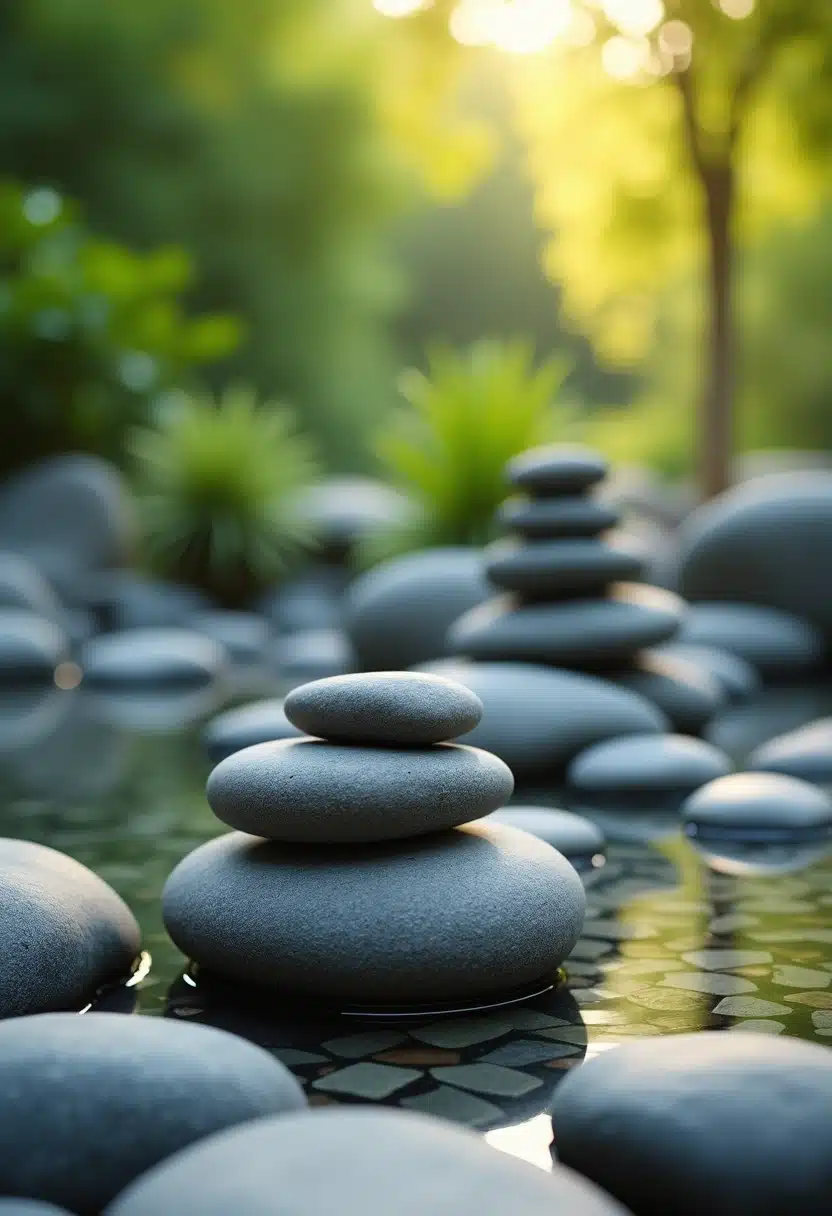
Creating a rock garden as part of your Zen space adds a serene focal point. When selecting rocks, consider their shape, size, and color. Smooth, rounded stones emit tranquility, while jagged ones add a more dynamic vibe. Placement matters too—grouping stones in threes can symbolize stability and balance. Allow each rock to have space, letting their beauty shine.
Arranging rocks in your garden is an art form deeply rooted in symbolism. Each rock can represent mountains, islands, or living beings. The interplay of empty space with the rocks is just as significant, promoting harmony. It’s about creating a mini landscape that instills peace and evokes natural beauty, resonating with the meditative essence of a Zen garden.
The Art of Pruning Bonsai
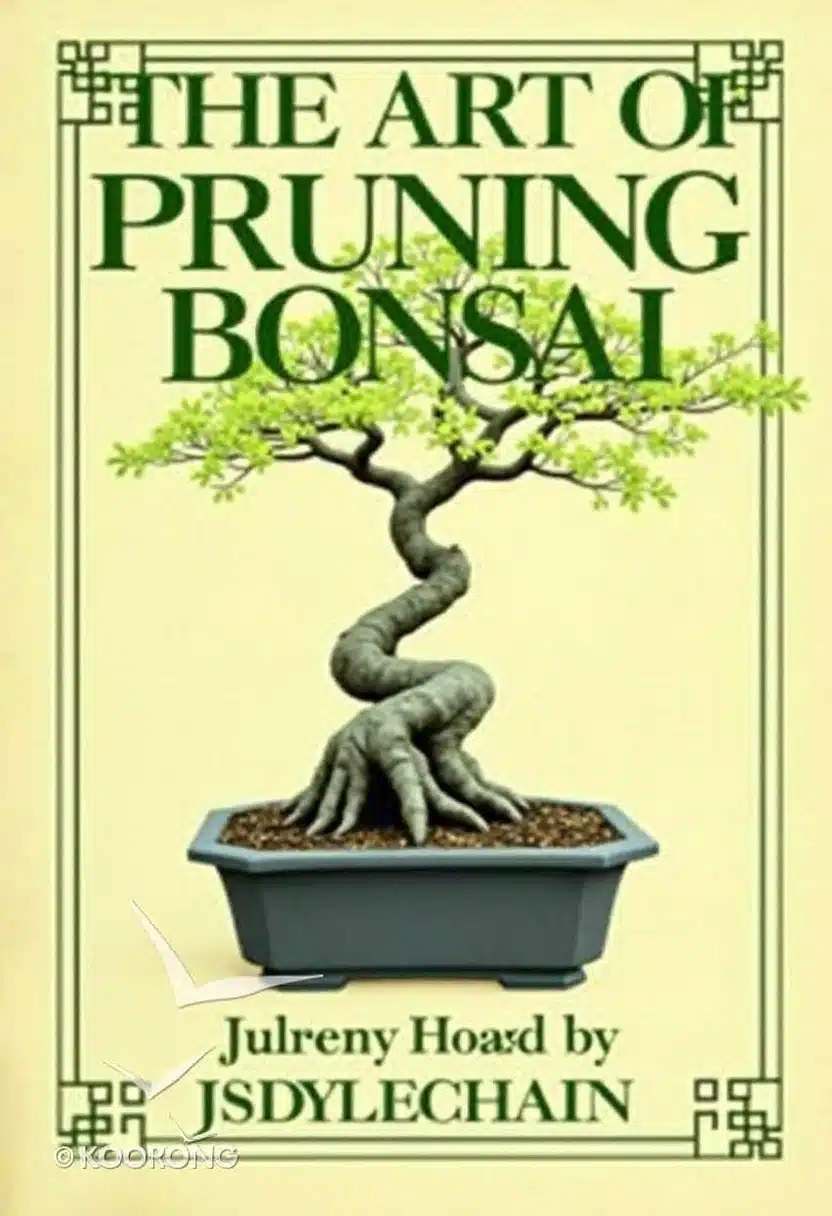
Dive deep into the meditative practice of bonsai pruning, where every snip is a step towards tranquility. This ancient art requires patience and precision, aligning perfectly with the Zen philosophy. Each cut encourages mindfulness, allowing you to connect deeply with nature, channeling your thoughts inwards as you shape the tree. As you prune, consider the tree’s overall shape to maintain harmony within your Zen garden.
Tips for Maintaining Bonsai Trees
Maintaining bonsai trees is as integral to Zen garden aesthetics as it is therapeutic. Ensure that your bonsai is regularly watered and receives ample sunlight, as these conditions mimic a natural environment. Trimming excess leaves and branches not only keeps the tree in a desired form but also promotes healthier growth. This gradual process complements the minimalist and balanced ambiance of your Zen space.
- Trim during the growing season for optimal health.
- Use clean, sharp tools to avoid damaging the tree.
- Observe the tree’s natural growth patterns to guide your pruning.
Creating Balance with Symmetry

Symmetry is a fundamental concept in Zen garden design, promoting a feeling of harmony and equilibrium. By thoughtfully positioning stones, plants, and features, you can craft a balanced space that feels both serene and structured. Imagine a pathway flanked by identical shrubs or a rock formation mirrored on each side of the garden. These symmetrical setups invite tranquility and focus.
When creating a balanced garden, it’s useful to adopt a minimalist approach. Fewer elements allow for clearer symmetry, enhancing the tranquil atmosphere. Consider a small pond in the center, with surrounding elements aligning with its edges. This creates a focal point, drawing the eye and grounding the space. Maintaining simplicity is key to achieving a profound sense of balance.
Attention to detail can also elevate this harmonious aesthetic. Use subtle gradations in plant size, shape, or color to emphasize symmetry. Arrange smaller stones around larger centerpiece rocks to create a ripple effect, mimicking patterns in nature. These variations enrich the garden, offering visual interest while maintaining the zen-like ambiance that encourages relaxation.
Incorporating Sound Elements
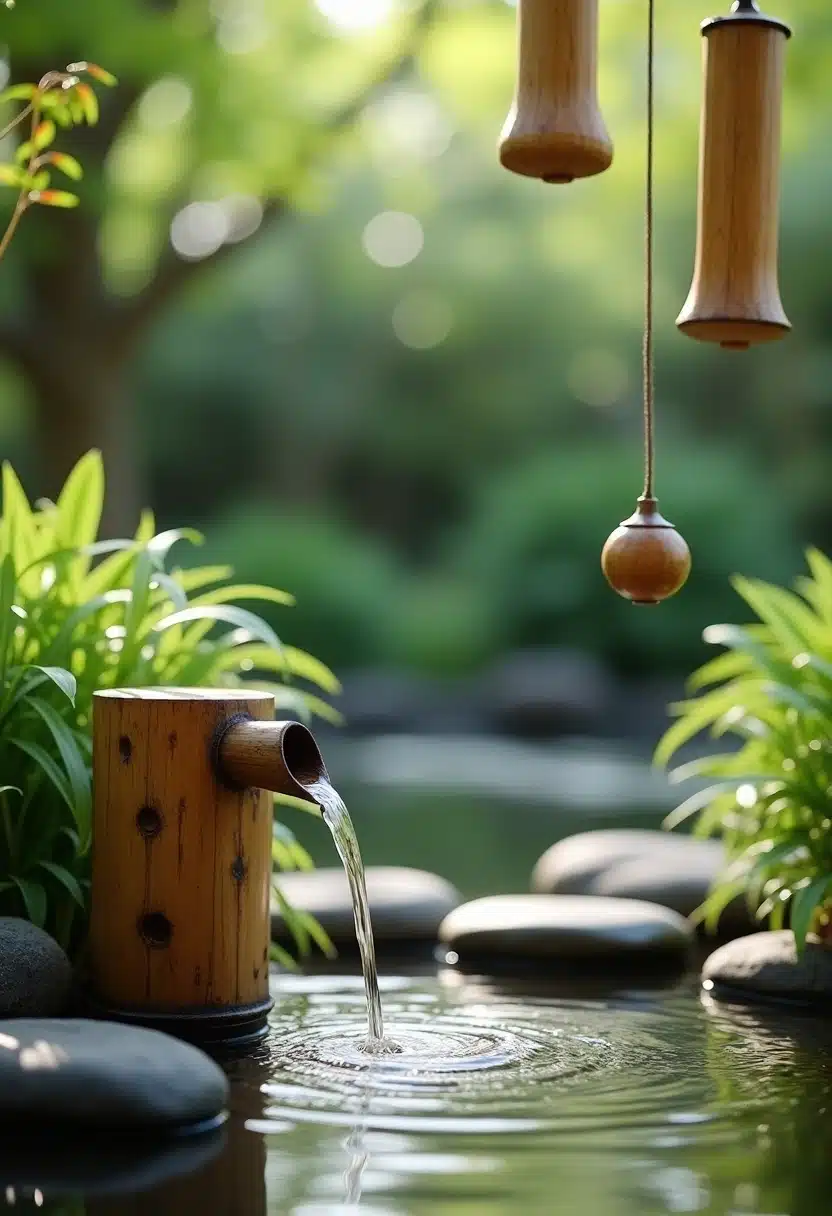
Incorporating sound elements like wind chimes and water features can elevate your Zen garden, bringing a deeper sense of tranquility and focus. Wind chimes provide soft melodies that change with the breeze, adding an unpredictable and calming auditory element. Meanwhile, the gentle trickle of a water feature creates a soothing backdrop, encouraging meditation and reflection in your outdoor sanctuary.
These elements not only enhance auditory experiences but also contribute to the visual and kinetic aesthetics of your Zen garden. A bamboo water fountain can offer both movement and sound, creating a dynamic focal point. Placing these elements thoughtfully ensures they blend seamlessly into your garden’s overall design, augmenting its tranquil atmosphere without overwhelming the senses.
Consider the materials and placements when choosing sound elements to support your garden’s theme and style. Metal chimes produce distinctively different tones compared to wooden or bamboo ones. By selecting features that resonate with your personal sense of serenity, your garden becomes a more personal and engaging space, providing a retreat from daily stress and promoting mindfulness.
Choosing a Focal Point
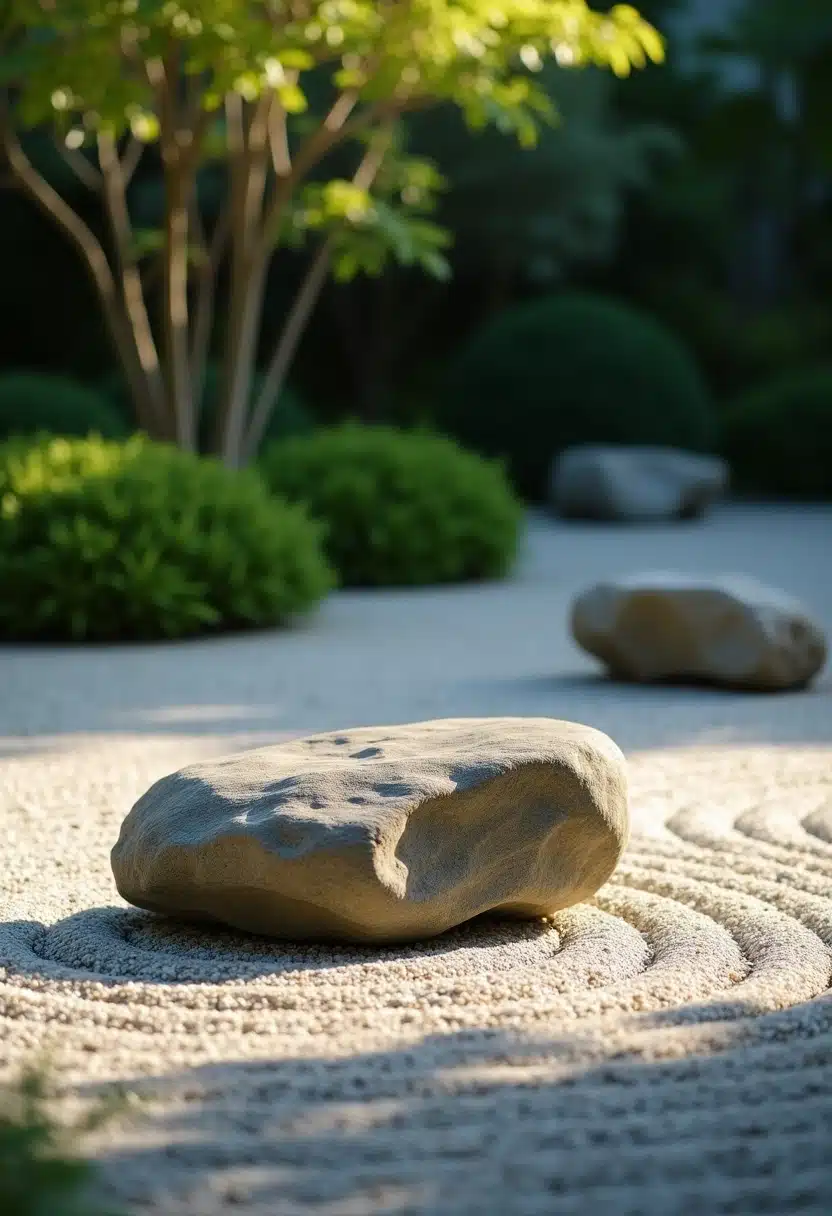
In Zen garden design, choosing a focal point is key to guiding attention and fostering reflection. A well-selected centerpiece, such as a unique rock, a sculptural plant, or a carefully placed statue, can set the tone for your garden. It should reflect your personal taste and inspire peaceful contemplation. Choose elements that stand out yet harmonize with the overall aesthetic.
Positioning the focal point requires thoughtful consideration. Place it where natural light highlights it beautifully, and where it can be noticed effortlessly from different viewpoints. This positioning encourages mindful moments, drawing the eye naturally to its presence. Consider the viewer’s journey through the garden, ensuring the centerpiece complements both the approach and experience.
The balance between simplicity and impact is significant. Avoid overcrowding with multiple focal points; instead, let one element take precedence. This allows the surroundings to feel uncluttered, promoting relaxation and clarity. By carefully weaving in these design principles, you create a sanctuary that resonates with tranquility and simplicity.
Using Natural Borders

Creating natural borders in your small Zen garden can dramatically enhance its tranquility. Consider using plants like bamboo or grasses to define the edges organically. Natural elements provide boundaries without feeling confined. Incorporating rocks or small stone walls offers a solid demarcation. This method not only adds aesthetic appeal but also helps separate different sections.
Imagine using large, flat stones to form a pathway, leading the eye through your garden. You can arrange stones of varying sizes for visual interest and depth. Using bamboo fencing is another appealing way to create borders while maintaining a natural look. This setup promotes a seamless blend with the environment, enhancing the peaceful atmosphere of your Zen space.
By thoughtfully implementing these natural borders, you establish a serene environment that feels expansive, even in smaller areas. The plants and rocks softly guide your senses, encouraging a meditative exploration of the garden. This careful selection and placement of materials create a harmonious balance. This makes your Zen garden not just a spot of beauty but a refuge of calm.
Combining Modern and Traditional Elements

Blending modern design with traditional Zen garden elements can create a captivating and serene space. Imagine sleek, geometric pathways juxtaposed with intricate stone patterns. Modern materials like corten steel or concrete can be incorporated with classic stone lanterns and bamboo. This fusion not only refreshes the traditional aesthetic but also adds a personal touch, reflecting your unique style.
Functionality meets tradition through the use of minimalist furniture paired with classic tatami mats or moss-covered stones. Consider integrating a reflective water feature, combining contemporary clean lines with the Zen philosophy of tranquility. This approach offers a balance that is visually appealing and maintains the meditative purpose of a Zen garden.
Lighting plays a key role in melding these styles. Install solar-powered, minimalist pathway lights that softly illuminate traditional sculptures or plants. This contrast enhances the garden’s ambiance, inviting both relaxation and reflection. The thoughtful integration of these elements turns your garden into a personalized oasis, blending eras and aesthetics harmoniously.
Creating a Meditation Space
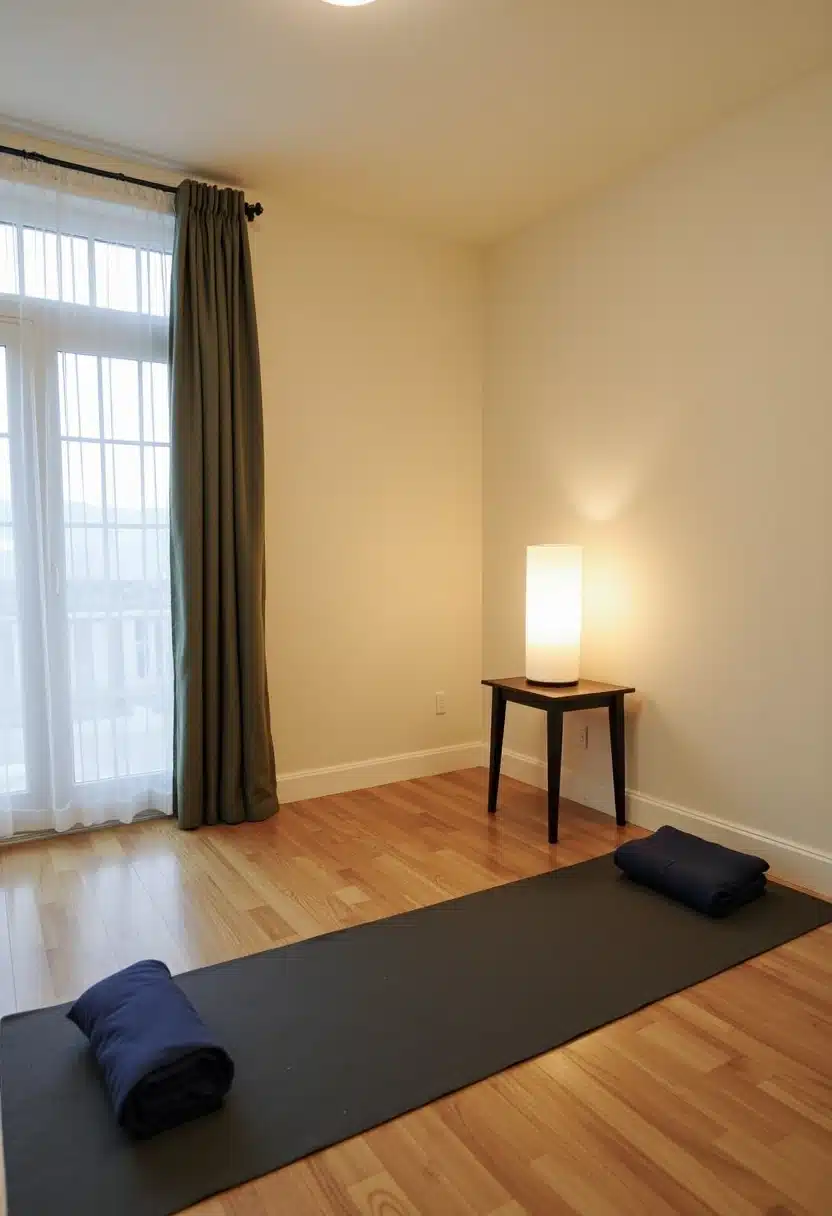
Designing a meditation space within your Zen garden can enhance your daily relaxation routine. Begin by choosing a tranquil corner, away from noise and distractions. Consider utilizing natural materials like bamboo or stone for seating, as they blend harmoniously with the environment. Floor cushions and low benches can provide comfort while promoting a sense of closeness to the earth.
Next, focus on the layout to maximize tranquility. Try arranging the seating to face a serene focal point, such as a small water feature or a carefully raked gravel pattern. Creating pathways in your garden using stones or wooden planks can guide your footsteps, adding to the meditative experience. Consider incorporating elements like soft lighting or wind chimes to invite peace.
Customization is key to making the meditation space truly yours. Adorn the area with minimalistic decor, like a simple stone sculpture or a small Zen fountain. Keep in mind that the goal is to cultivate a space that encourages reflection and inner calm, allowing you to disconnect from the outside world and cultivate mindfulness.
Incorporating Art Pieces
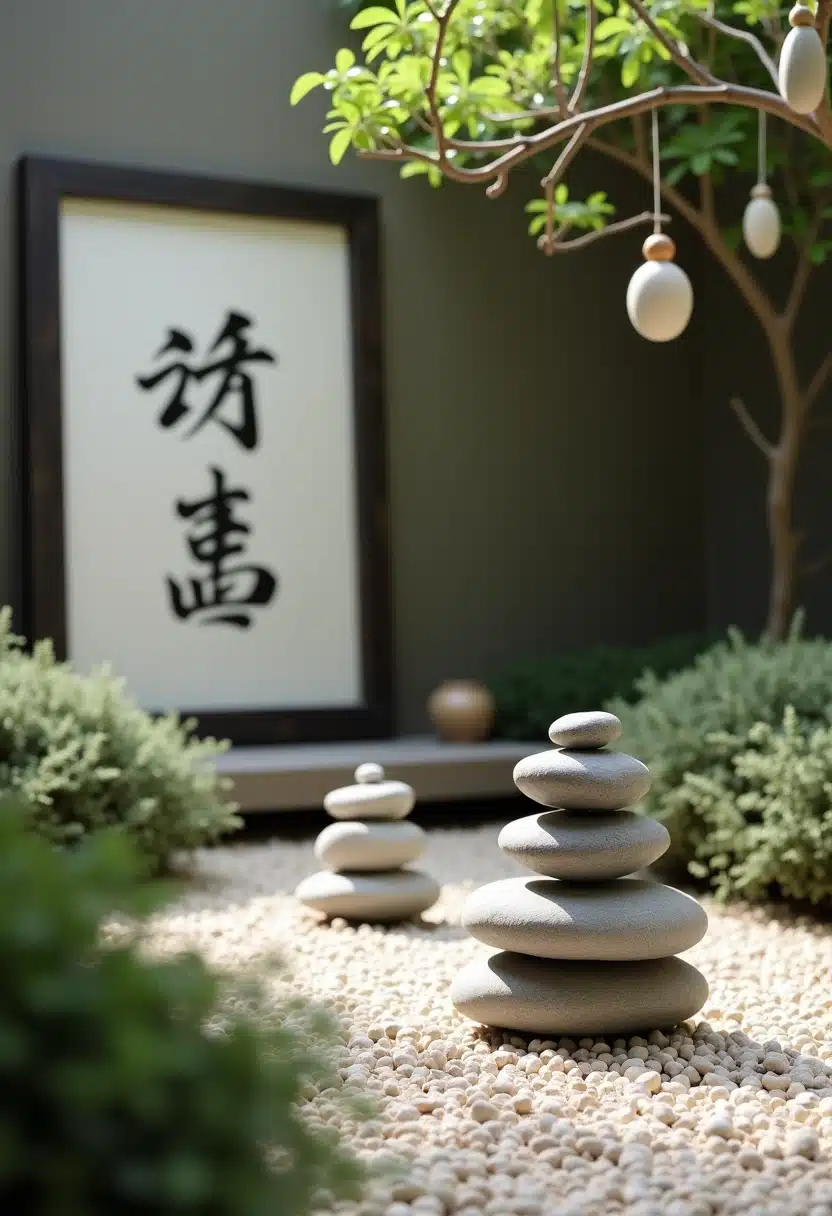
Incorporating art pieces in a Zen garden can introduce personal expression while maintaining tranquility. Consider sculptures that complement the natural elements of your garden. Stone or metal statues with smooth, simple lines align well with the Zen aesthetic. When placed strategically, these art pieces can create focal points that enhance tranquility rather than detract from it, making your garden not just peaceful but also uniquely yours.
Another way to add character is through minimalist paintings or calligraphy. Ensure the designs are subtle, with soft tones and calming imagery that resonate with Zen philosophy. These can be displayed under a protective cover, creating a harmonious blend of art and nature. Incorporating art not only personalizes your space but also enriches the sensory experience, providing layers of calm and contemplation.
Finally, explore small handcrafted items to personalize your Zen garden. This might include handmade pottery or delicate wind chimes. These can infuse a sense of authenticity and tactile connection. By thoughtfully selecting these pieces, you can cultivate a balanced environment where art complements nature, offering a retreat that feels both personal and serene.
Utilizing Vertical Space
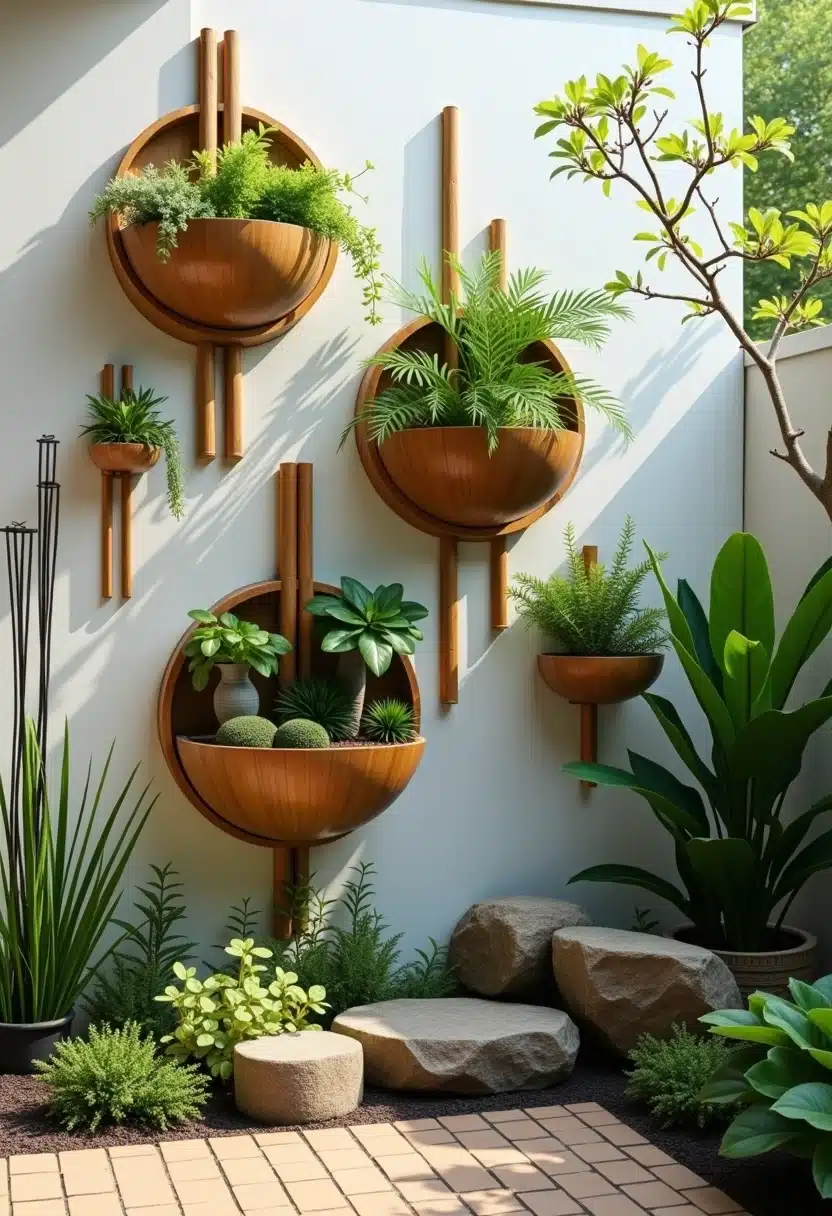
Maximizing vertical space is a smart way to enhance your small Zen garden without overwhelming the area. Incorporate wall-mounted planters to showcase a variety of plants while keeping the ground area clear. This technique not only saves space but also draws the eye upward, creating an illusion of a larger garden. Consider materials that blend seamlessly with your garden’s aesthetics, like wood or bamboo.
Hanging decor can also play a vital role in utilizing vertical space effectively. Incorporating wind chimes or water features adds soothing sounds that enhance the tranquil ambiance. Position these elements at varying heights to create visual interest and texture. This layered approach contributes to a serene atmosphere, integrating both visual and auditory elements that enrich your outdoor sanctuary.
When selecting items for vertical integration, choose pieces that do not disrupt the garden’s peaceful vibe. Opt for soft colors and organic shapes that complement the natural setting. Integrating these items thoughtfully will ensure that your small Zen garden remains a harmonious retreat, tying together gentle expressions of nature and art.
Customizing Zen Garden Tools

When crafting a Zen garden, selecting the right tools is key to achieving a serene space. The traditional rake is more than just a tool; it becomes an extension of the gardener. Personalizing your rake can enhance its function and aesthetics. Consider adding comfortable grips or designing unique patterns on the handle to reflect your personal style.
Beyond aesthetics, customizing tools can improve your gardening experience. Choose materials that feel good in your hand and suit your workflow. Try adding features that make tools easier to handle, especially when creating intricate designs. Personalization not only enhances functionality but also deepens your connection with the garden.
Some may even embrace the opportunity to craft their tools from scratch. This gives full control over size, shape, and features, ensuring they meet your specific needs. Investing time in customizing your Zen garden tools can lead to a more fulfilling and immersive gardening experience.
Creating Seasonal Interest

Designing a Zen garden that reflects the changing seasons can transform your outdoor space into a vibrant and ever-evolving sanctuary. Select plants that showcase dynamic colors and textures. In spring, cherry blossoms and azaleas can bring fresh energy, while autumn hues can be achieved with Japanese maples. Seasonal plants offer a constantly renewed atmosphere, ensuring your garden remains a source of tranquility all year long.
Incorporate decor elements to echo each season’s charm. Use lightweight lanterns and bamboo sculptures during summer for a breezy vibe. In winter, add stones and evergreens for a serene and contemplative look. By altering decorative elements like sand patterns or accent rocks, your Zen garden can reflect the subtle transitions of each season, enhancing its natural beauty.
Create a visual calendar by tactically placing plants and decorations to represent the year’s cycle. This not only enhances the garden’s appeal but also fosters a deeper connection with nature’s rhythms. Experiment with different arrangements and observe how even slight changes can refresh the space, keeping your Zen oasis lively and engaging.
Incorporating Textural Variety
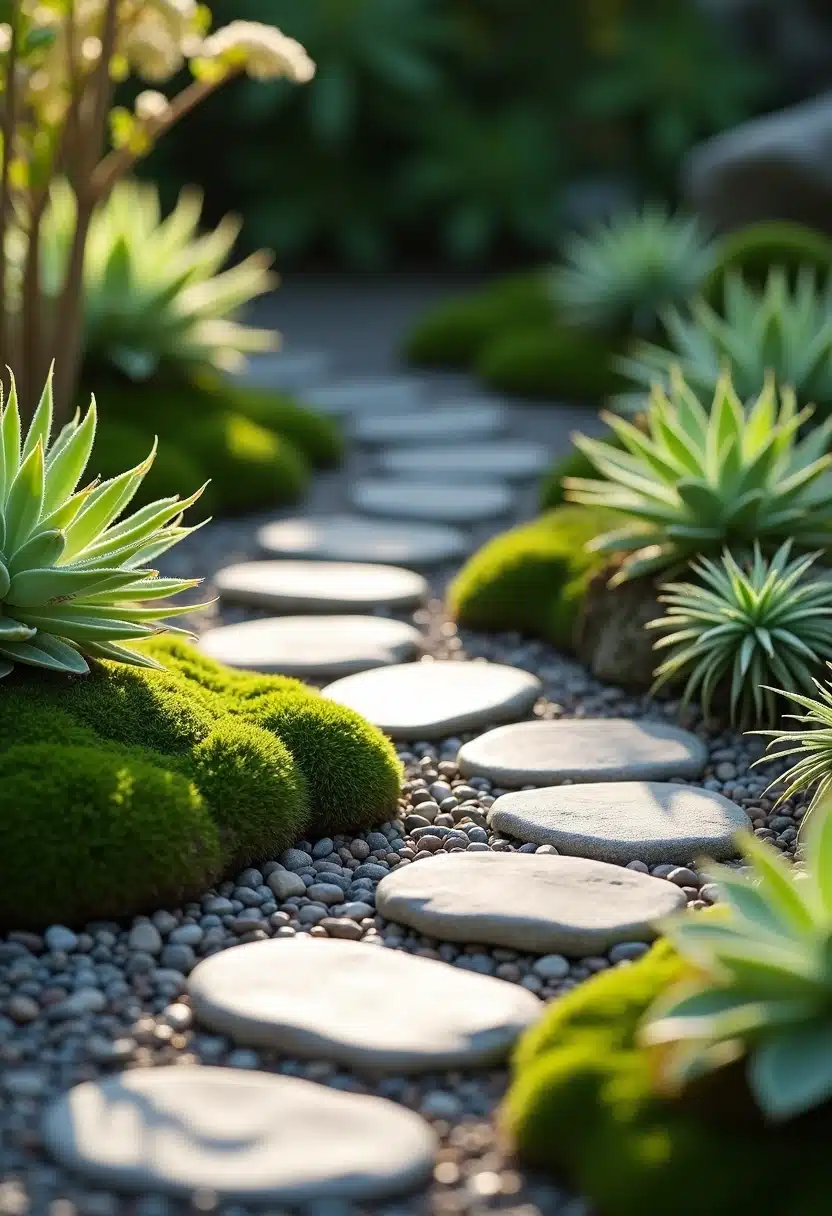
In a Zen garden, the harmony of different textures plays a vital role in enhancing its serene atmosphere. By integrating a variety of materials like smooth pebbles, rough stone paths, and soft moss, you create a rich sensory experience. This contrast in texture not only pleases the eye but also invites touch, making the garden more immersive.
Think about combining contrasting plants and materials to achieve the perfect balance. For instance, pairing delicate grasses with coarse bark chips can provide visual depth and interest. Choose plants with different leaf textures, such as ferns and succulents, to create layers. These diverse textures can shift through seasons, enhancing the garden’s appeal and aligning with your personal style.
Balance is essential when incorporating textural elements. Avoid overwhelming the space by positioning textured materials strategically. Allow each element to complement rather than compete with others. Consider a simple layout to ensure a tranquil atmosphere, where each texture stands out without crowding the space, encouraging calmness and mindfulness.
Adding a Zen Tea Corner
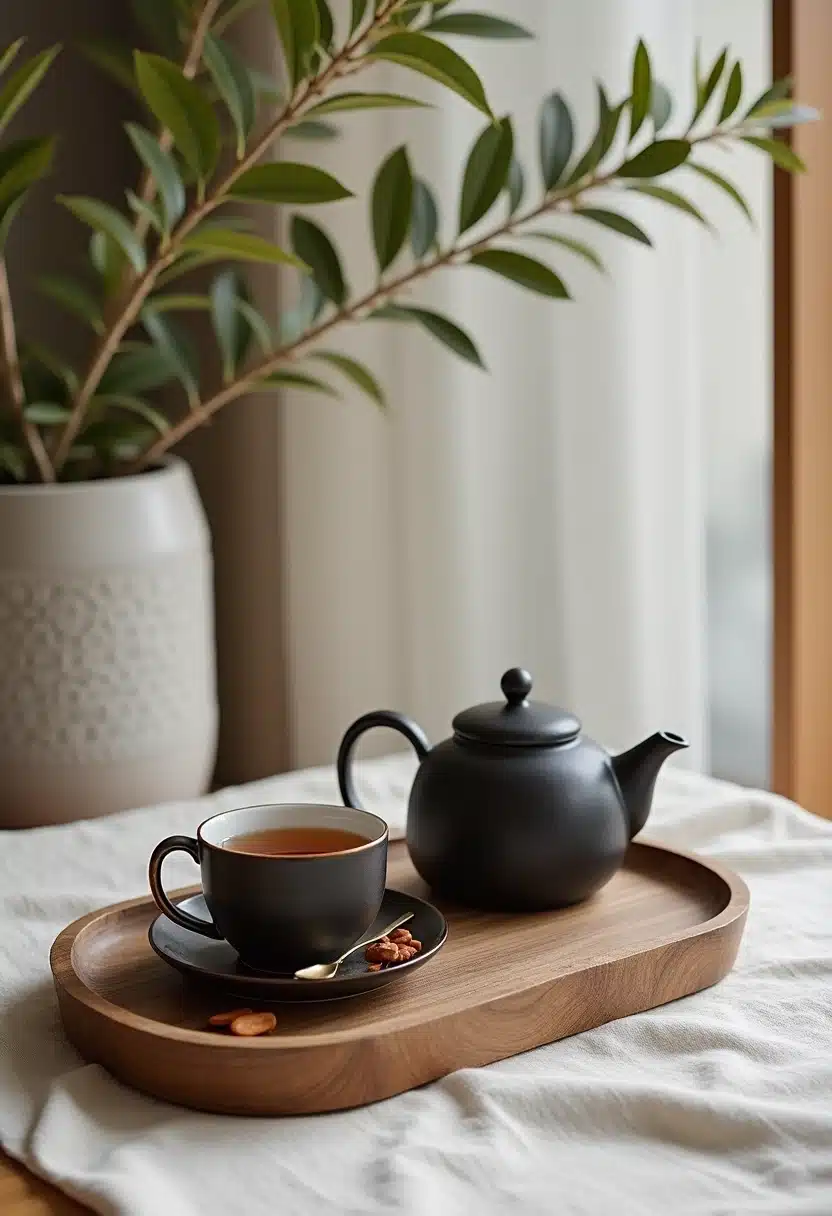
Creating a mini tea corner in your Zen garden can offer a serene spot for relaxation. To design this area, choose a corner with natural light and a view of other garden features. Arrange a small table and comfortable seating, such as a cushion or a low chair. This setup invites you to enjoy quiet moments with a cup of tea.
Consider the elements around your tea corner that enhance tranquility. Bamboo or wooden accents integrate well into the Zen aesthetic. You might even add a small stone path leading to this corner or use gentle lighting for evening relaxation. These features create a harmonious balance with the rest of your garden.
To further amplify peace, think about what complements your tea ritual. Include a small shelf for tea accessories or add plants like succulents that require minimal care. This allows your tea corner to blend seamlessly with the nature around it, adding layers of calmness and comfort to your Zen garden.
Experimenting with Color Schemes
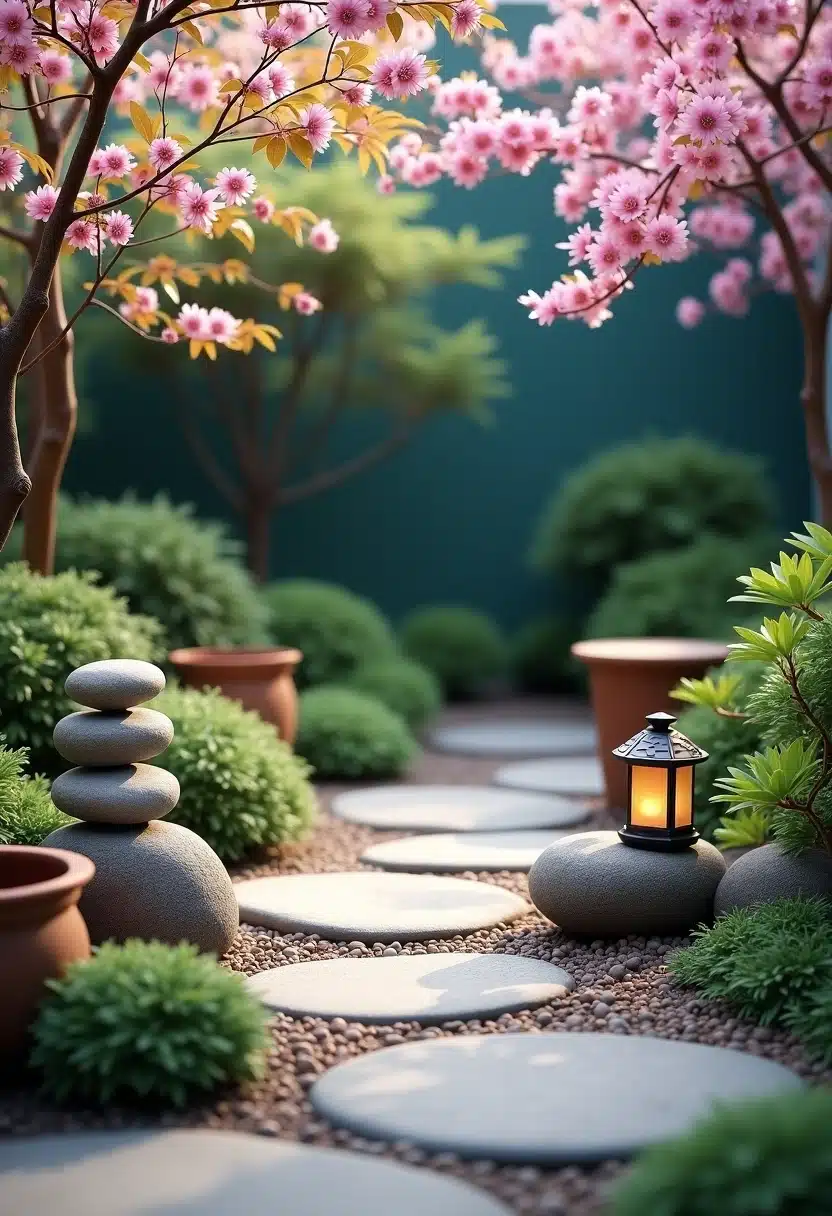
Embracing color in your Zen garden can uplift your space while maintaining its serenity. Think about soft pastel shades for plants like lavender or cherry blossoms. These subtle hues can introduce a peaceful vibe without overpowering the natural aesthetics. On the flip side, using deeper greens and muted blues enhances a calming atmosphere and supports the feeling of a tranquil retreat.
For decor, consider elements like stones or pots in earth tones to blend seamlessly with your garden. If you’d like a pop of color, choose one or two accent pieces, perhaps a lantern or garden stool, in a contrasting shade. This approach helps highlight tranquility, ensuring your Zen garden remains a harmonious sanctuary.
The art of balancing color in your Zen garden involves careful selection of plant varieties and decor styles. Opt for species with nuanced foliage or blooms, and coordinate with decorations that echo nature’s palette. This intricate play with colors adds visual interest, creating a personal retreat where tranquility reigns.
Utilizing Recycled Materials
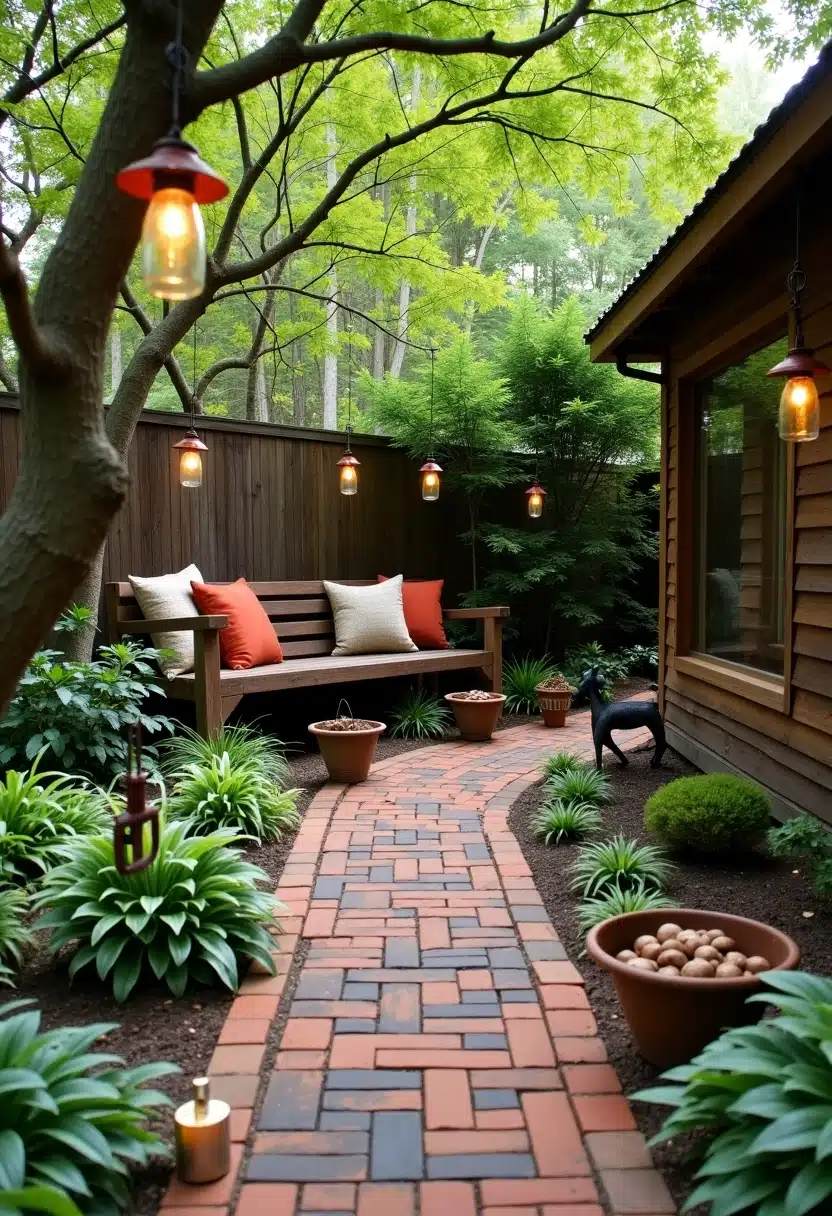
Incorporating recycled materials into your Zen garden not only enhances its tranquility but actively supports sustainability. Begin by searching for items around your home that can be repurposed, such as old bricks for pathways or glass jars for lanterns. This approach aligns with eco-friendly practices and imbues your space with unique character, creating a mindful retreat that reflects your commitment to the environment.
Explore the use of reclaimed wood for seating or fencing, offering both functionality and rustic charm. Old metal objects can transform into intriguing sculptures or plant holders, adding depth and texture to your garden. These creative choices encourage you to see the potential in items that might otherwise be discarded, making your Zen garden environmentally conscious.
Consider a small water feature using recycled materials, like salvaged basins or containers. This can bring a soothing sound element, enhancing the calming atmosphere of your Zen garden. By opting for recycled materials, you contribute to resource conservation while creating a harmonious blend of nature and innovative design in your own backyard sanctuary.
Establishing a Zen Herb Garden
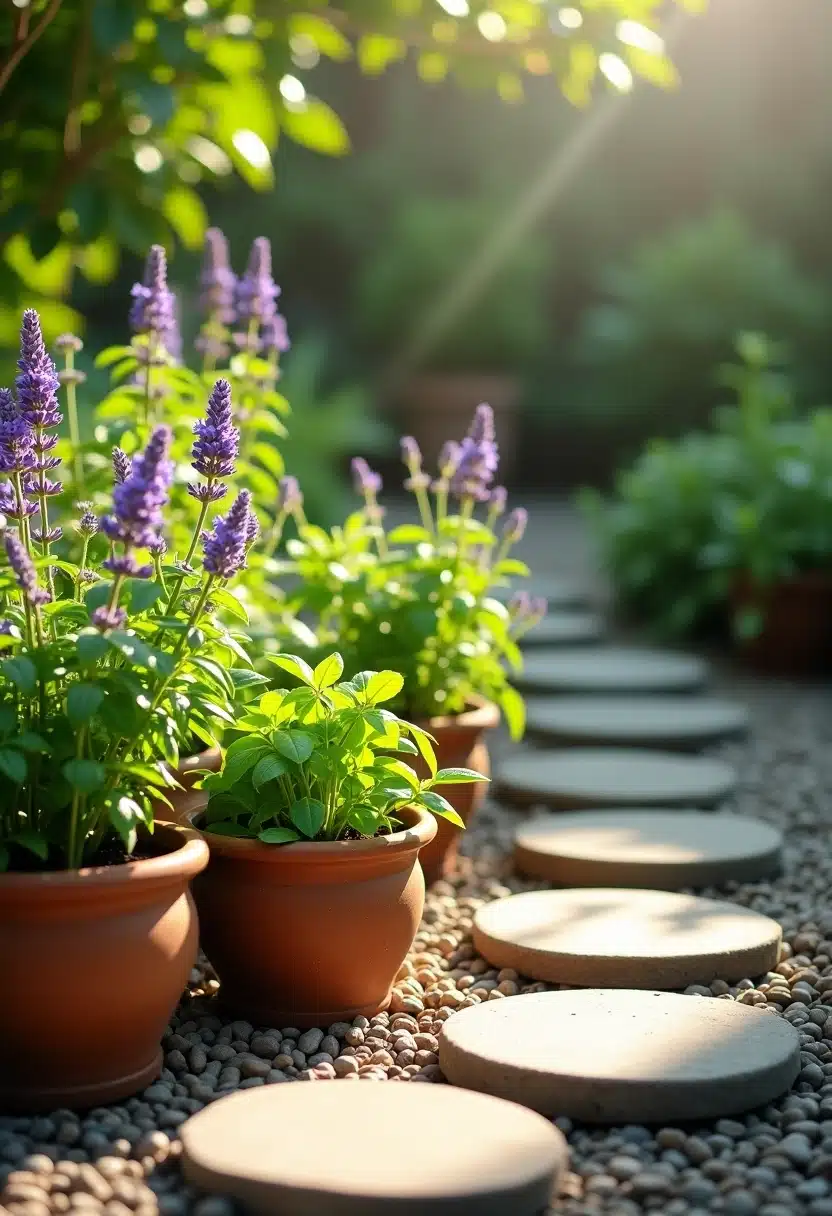
Incorporating an herb garden into your Zen space can enhance your home’s tranquility while providing practical benefits. Opt for herbs like lavender, mint, and basil. These not only offer culinary uses but also emit soothing aromas, creating a serene atmosphere. Position your herbs thoughtfully; ensure they get enough sunlight and are accessible for daily use. This fusion of Zen principles and herbal practicality makes for a harmonious garden experience.
Think about the sensory aspects of your herb garden. The rustle of leaves, the fragrance from herbs can greatly add to your Zen environment. Choose pots and containers that complement your garden’s aesthetic. Terracotta or bamboo planters blend well, enhancing the natural feel. This mindful pairing can foster a sense of peace, aligning with the Zen philosophy of harmony and balance.
When planning your Zen herb garden, consider how each herb can contribute to the ambiance. Rosemary and chamomile can offer calming effects, aiding in relaxation. Designing pathways or stepping stones around the garden can enhance the flow and movement, inviting you to immerse yourself in nature while tending to your plants. This thoughtful design approach ensures your Zen garden is both functional and a beautiful escape.
Creating a Zen Garden on a Balcony
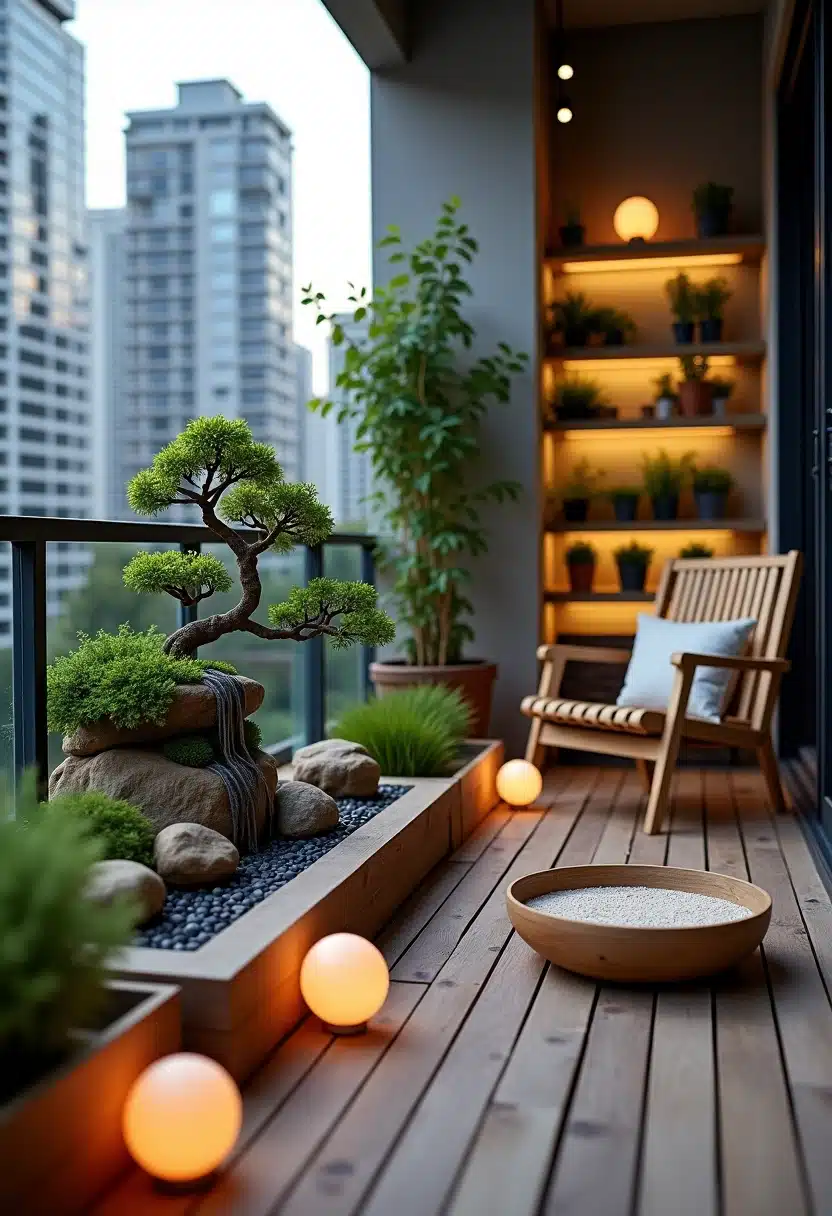
Transforming your balcony into a Zen garden allows you to create a calming retreat even in an urban setting. Focus on using vertical space with hanging planters and wall-mounted elements. Incorporate elements of nature like stones, greenery, and small water features to foster serenity. By combining these with space-efficient furniture, you can design a peaceful oasis that feels connected to the outdoors.
When space is limited, prioritizing simplicity is key. Select compact plants such as bonsai trees or succulents, as they require minimal space yet offer lush beauty. Adding a small sand tray allows for daily mindfulness practices, promoting a sense of tranquility. The right selection of materials, like natural woods and stones, can evoke a soothing atmosphere perfect for relaxation.
Strategize lighting to enhance the ambiance during the evening. Soft lanterns or string lights create a warm, inviting glow, harmonizing with the meditative elements of your Zen garden. Consider using foldable or multi-purpose furniture to maintain flexibility without compromising style. With thoughtful design choices, your balcony can transform into an ideal sanctuary for relaxation and reflection.
Building a Miniature Zen Desk Garden

Transform your desk into a peaceful retreat by creating a miniature Zen garden. This small space can help you find calm amidst the chaos of work. Choose elements like sand, stones, and small plants to reflect tranquility. These components symbolize natural elements and encourage mindfulness, enhancing focus and productivity. Arrange them thoughtfully for an aesthetically pleasing setup.
A Zen desk garden is easy to maintain, requiring only occasional adjustments. Periodically rake the sand patterns or rearrange the stones to refresh its appearance. This simple act of caring for your Zen garden can serve as a meditative practice. Keep your desk garden dust-free by gently wiping away any accumulated particles.
Having a personal serenity space at work can significantly impact your mental well-being. It offers a moment to pause, breathe, and center yourself during a hectic day. This peaceful setup can be your daily reminder to take time for self-care amidst professional demands. Embrace your Zen desk garden as a tool for achieving a balanced work-life dynamic.
Incorporating Scented Elements
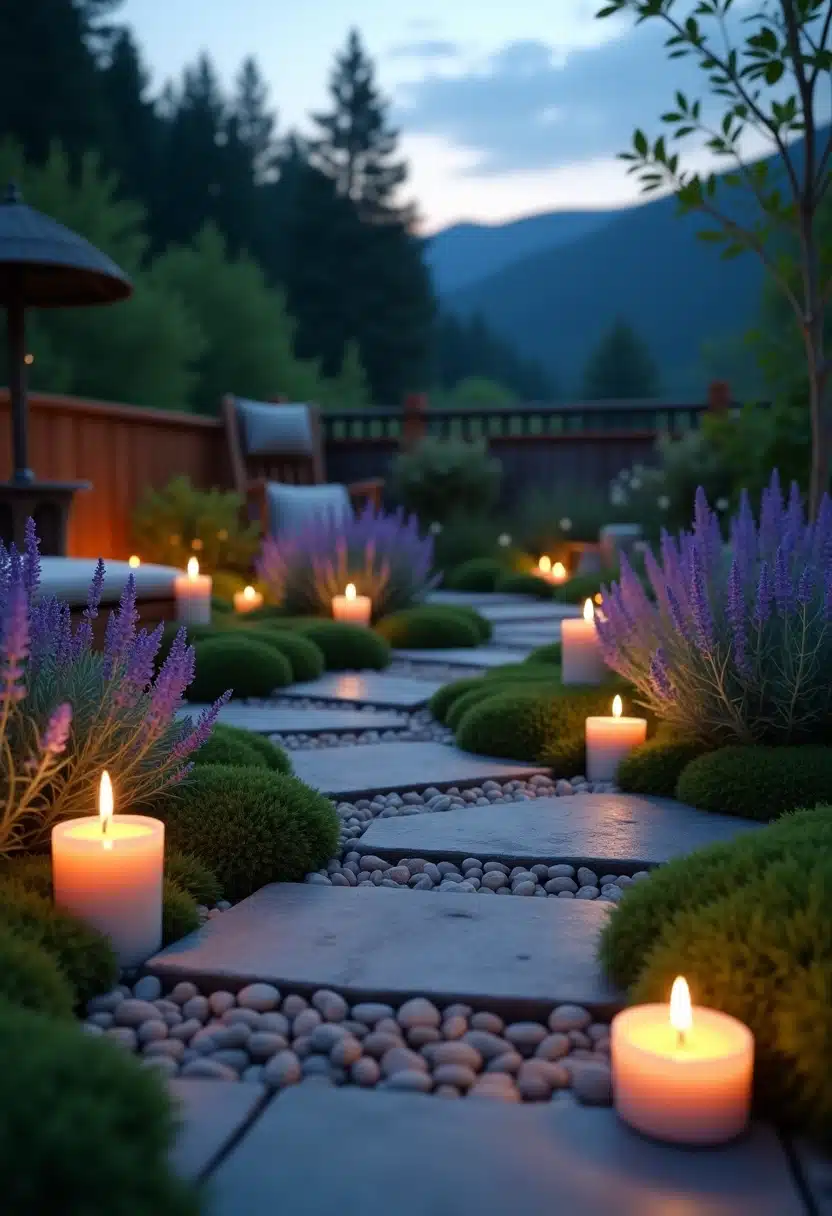
Incorporating fragrant elements into your Zen garden can significantly elevate the overall sensation of peace. Start with scented candles placed strategically around the garden. They provide a gentle flickering light alongside their calming fragrance. Opt for scents like lavender or chamomile known for their soothing properties. This adds an aromatic layer to your garden and enhances your relaxation experience.
Consider using incense to introduce varied scents throughout your garden. Incense sticks, cones, or coils bring an element of tradition and spirituality to the space. Choose fragrances like sandalwood or jasmine to promote tranquility. Placing them near seating areas allows the aromatic smoke to weave through your relaxation zone, creating a calming atmosphere.
Incorporate aromatic plants naturally into your Zen garden. Lavender, rosemary, and mint not only provide pleasing fragrances but also contribute greenery and texture. Plant these in clusters near paths or resting spots. Their scents are released whenever you brush past, adding a dynamic, natural element to your sensory experience. This makes your garden inviting and soothing for moments of peace.
Designing a Zen Garden for Pets

Creating a pet-friendly Zen garden involves balancing aesthetics with functionality, ensuring the space is serene yet safe. Choose non-toxic plants and materials that won’t harm curious pets. Incorporate soft, rounded edges instead of sharp stones or jagged elements. Using gravel or sand can help create a calming atmosphere while being gentle on paws. For added peace, consider using natural barriers like bamboo to keep the area secure.
Think about adding elements that both you and your pets will enjoy. A small water feature with gently flowing water can offer soothing sounds, while also serving as a refreshing spot for pets to explore. Pet-safe herbs like lemongrass or catnip are great for engaging the senses. Keep the design open and uncluttered, allowing pets to roam freely without disturbing the tranquility.
The goal is to create a harmonious environment that seamlessly integrates with your lifestyle. Include comfortable seating for quiet moments with your pets, while considering their comfort as well. A shaded area or small shelter can provide respite from the sun, making the garden a true retreat for all. With thoughtful design considerations, your Zen garden can be a tranquil haven for both humans and animals alike.
Including a Zen Reading Nook

Incorporating a Zen reading nook into your garden can transform the space into a haven for relaxation and focus. Opt for low-seating solutions like cushioned mats or simple wooden benches to foster a grounded feeling. Surround the area with lush greenery and bamboo to create a natural privacy screen, enhancing the sense of seclusion and peace necessary for a meditative reading session.
Choose decor that promotes tranquility, such as soft lighting with solar lanterns or candles, and a small water feature for a soothing backdrop. Incorporate natural textures with cotton or linen throws and pillows to add comfort without disrupting the minimalist aesthetic. By carefully selecting these elements, your reading nook becomes an inviting sanctuary for unwinding and escaping into stories.
Emphasizing Minimalism
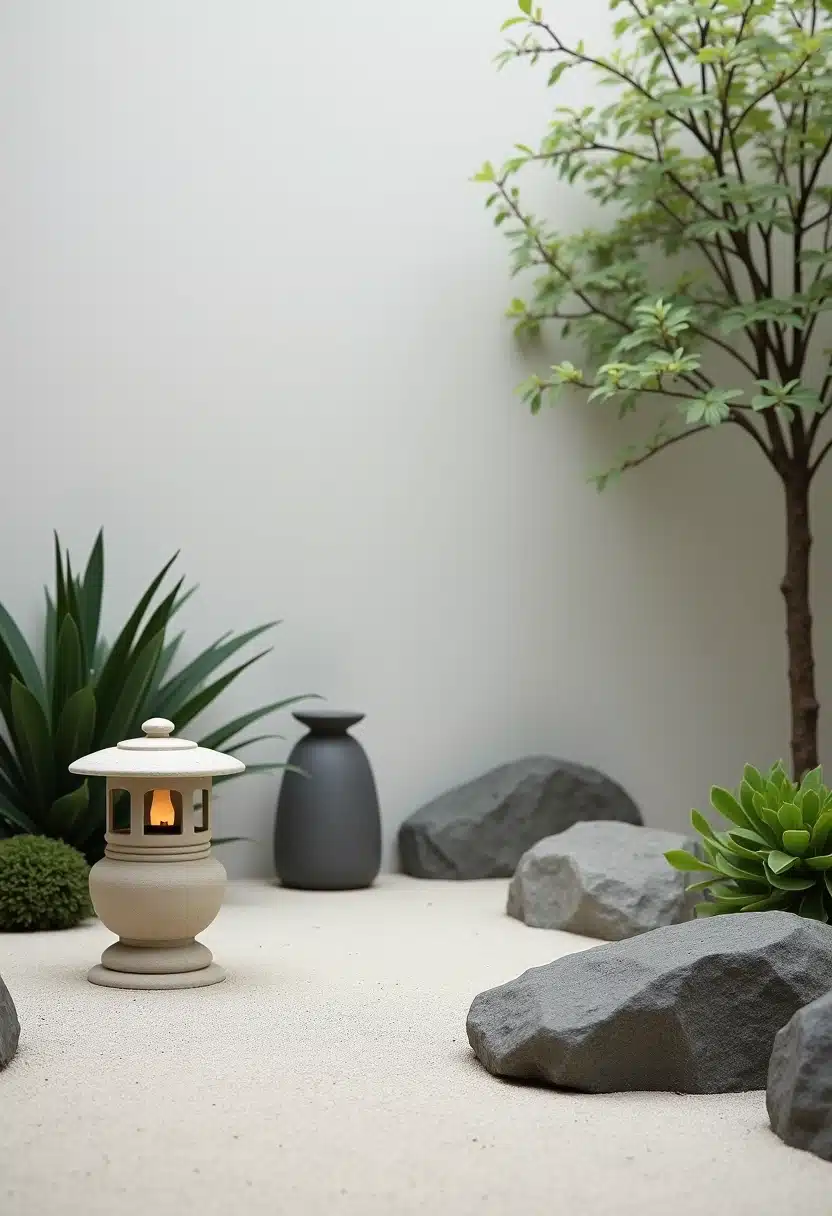
Minimalism is at the heart of Zen garden design. Its purpose is to create a space that embodies simplicity. By limiting unnecessary elements, you allow the garden’s natural beauty to shine through. The key is to focus on quality over quantity, ensuring that each item contributes to a serene and harmonious environment.
To achieve a minimalist feel, start by selecting a few key pieces that complement each other. A small stone lantern or a single elegant sculpture can add interest without overwhelming the space. Consider using a neutral color palette to maintain a cohesive and peaceful look. This approach promotes a sense of calm and balance, vital for a restorative oasis.
In a minimalist Zen garden, every element serves a purpose. Whether it’s a rake to create patterns in the sand or a plant chosen for its graceful lines, each choice should enhance tranquility. Use texture and layers sparingly to add depth, finding solace in the simplicity and quiet elegance of your mini Zen landscape.
Creating a Zen Garden with Children

Engaging children in the creation of a Zen garden can turn this serene project into an educational adventure. Let young ones help select stones or plants, encouraging them to learn about different textures and colors. Incorporating interactive features like water elements or a small pathway can keep the magic alive for them while introducing concepts of balance and tranquility.
Consider adding items that invite hands-on interaction. For instance, a mini rock raking area allows kids to explore patterns and practice mindfulness. Highlight the cyclical nature of gardens by teaching them about the growth process of various plants. This approach not only nurtures creativity but also instills valuable life lessons about patience and care.
Using Mirrors for Illusion
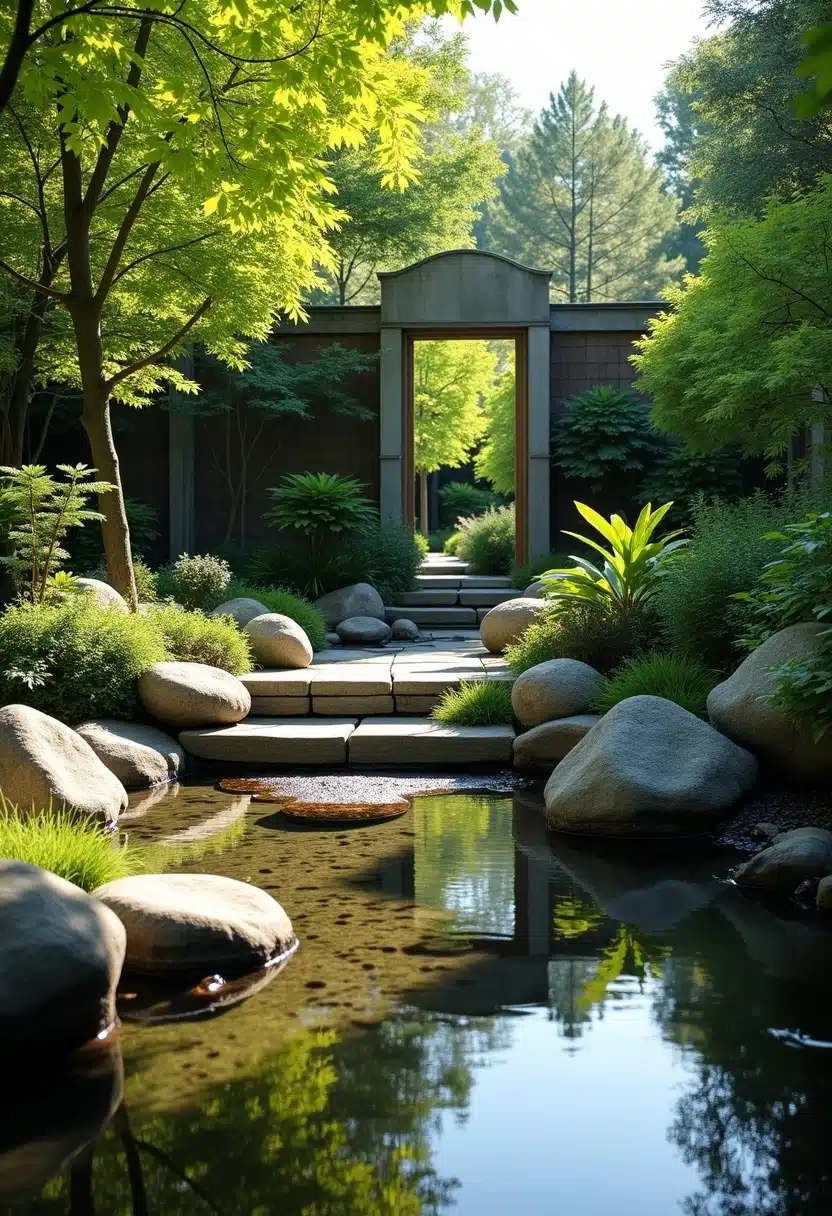
Mirrors can be a magical element in your Zen garden, creating an illusion of extra space and depth. When cleverly positioned, they not only reflect lush greenery but can also make a small area feel expansive. Placing mirrors strategically can help bounce light around, enhancing the sense of tranquility with natural illumination.
Consider using large mirrors behind plants to give the appearance of a continuous landscape. Smaller mirrors can be incorporated into stone arrangements or water features to add a glistening effect. It’s essential to frame these mirrors in a way that blends seamlessly with the natural elements, ensuring a harmonious integration without disrupting the Zen ambiance.
For best results, position mirrors where they can capture sunlight and reflect serene corners of your garden. Avoid placing them directly opposite each other to prevent overwhelming reflections. Instead, use them to bring subtle layers of beauty to your space, enhancing both light and depth and making your Zen haven a truly tranquil escape.
Incorporating Cultural Symbolism

When creating a Zen garden, infuse it with cultural significance by incorporating symbols that resonate with tranquility and peace. Statues such as Buddha or Koi fish represent harmony and prosperity. Including these elements connects your garden to the rich history and traditions of Zen philosophy, fostering a serene environment where one can reflect and find balance.
Traditional decor amplifies the garden’s ambiance. Use lanterns for soft lighting, or place a torii gate at the entrance to symbolize a transition into a peaceful space. Each piece tells its own story, inviting mindfulness and contemplation. Arrange these elements thoughtfully to harmonize with nature, creating a cohesive and meaningful sanctuary.
Add waterfalls or pagodas to deepen the cultural experience. These elements are not just visually appealing but also enhance the auditory and tactile sensations in your garden. The gentle sound of water flowing or the intricate details of a pagoda can provide a tranquil escape from daily stresses, making your Zen garden a true haven.
Crafting a Zen Garden for Small Urban Yards

Designing a Zen garden in a small urban yard requires thoughtful planning to create a serene escape amidst city life. Focus on a layout that emphasizes simplicity and balance. Use winding pathways to guide the eye and invite mindful walks. Think about incorporating natural elements like stones and gravel, which are low-maintenance and convey tranquility.
When choosing plants, opt for species that thrive in limited spaces and offer a sense of calm. Consider bamboo or small evergreens, which provide year-round greenery and require minimal care. Moss adds a soft texture and can flourish in shaded spots. Pay attention to scale to maintain harmony within the small area.
Transform your urban yard by integrating features that draw the mind away from the hustle. A small water feature or a rock arrangement can mimic natural landscapes, enhancing peace. Let each element come together to foster a tranquil atmosphere, turning your limited space into a personal Zen sanctuary.
Finding Inspiration from Nature

Drawing inspiration from natural landscapes can add depth to your small Zen garden. Picture the grandeur of mountains; you can mimic their shape using large rocks or stone arrangements. This not only adds visual interest but also evokes the calming presence of nature’s giants in a compact space. By creatively assembling these elements, you establish a serene atmosphere that feels expansive.
For a soothing water element, consider translating river flows into your design. You might opt for a winding gravel path to represent a meandering stream or incorporate a small water feature for gentle sound. Such additions enhance the tranquil ambiance and bring a dynamic quality to your garden. These nature-inspired ideas encourage peace and reflection in your retreat.
Let the colors and textures found in natural sceneries guide your plant choices. Select muted tones and varied leaf forms to capture the essence of nature’s diversity. By integrating these natural inspirations, your small Zen garden can become a powerful sanctuary that harmonizes the simplicity of nature with your personal style.
Combining Indoor and Outdoor Spaces
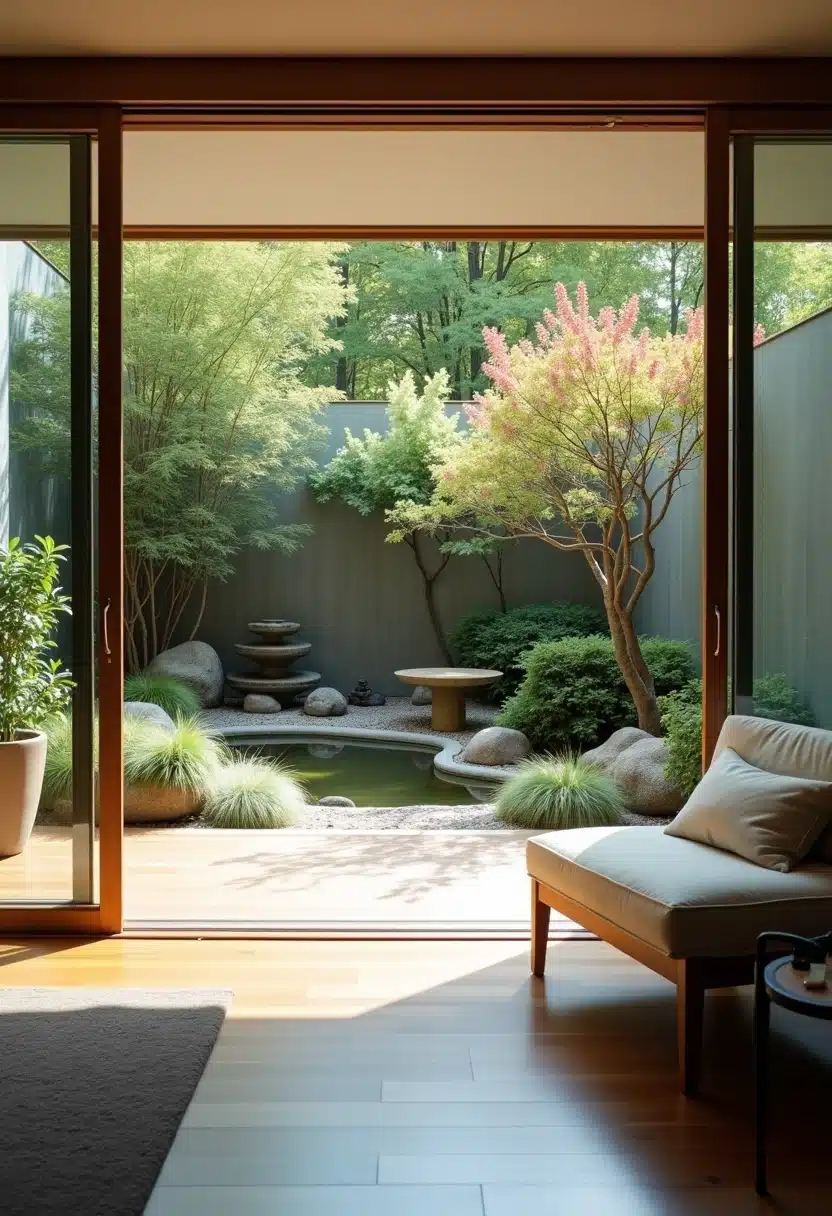
To create a harmonious blend between your home’s interior and your outdoor Zen garden, consider including transitional elements that connect both spaces. Sliding glass doors or large windows can open up interiors to your garden, allowing natural light to flow inside. Incorporate similar color schemes and textures in both areas to ensure a seamless transition, making your home feel larger and more cohesive.
An essential element in merging these spaces is the choice of plants and natural features. Use indoor plants that mimic those in your Zen garden. This visual connection helps bind the two environments. Water features, like small fountains, can be added indoors near entryways to mirror outdoor elements, promoting a calming atmosphere throughout your home.
Furniture also plays a key role in unifying your indoors with outdoors. Select pieces made of the same materials or finishes to create continuity. Outdoor furniture with minimalistic designs can effortlessly be incorporated indoors. This enhances the flow and maintains a cohesive look, enriching your overall Zen-inspired living experience.
Transforming your home into a peaceful sanctuary with a small Zen garden is achievable with creative ideas and thoughtful selections. Whether utilizing space efficiently, integrating natural elements, or blending modern and traditional styles, these inspirations can help nestle tranquility into your daily routine. Embrace your creativity to personalize the perfect Zen oasis that resonates with you.