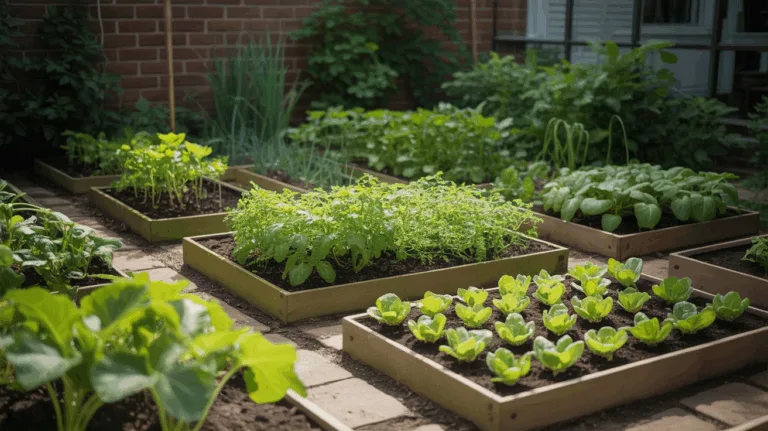
Growing Peas in Square Garden Beds: A Guide


Welcome to the enchanting world of gardening where small spaces blossom with potential! This guide will lead you through the verdant journey of growing peas in square garden beds, transforming even the humblest patches into lush, productive green spaces. Whether you’re a seasoned green thumb or a curious newcomer, this exploration into vertical and compact gardening promises to enrich your horticultural adventures.
Whether you’re an urban gardener with limited space or a suburbanite looking to optimize your harvest, growing peas in square garden beds can be incredibly efficient and rewarding. This comprehensive guide will dive into the essentials of growing peas in this specific layout, offering techniques on planting, care, and maximizing yield in confined areas.
Choosing the Right Variety
Before your green fingers get to work, selecting the right pea variety can make all the difference. For square foot gardening, snap peas or snow peas often perform better due to their climbing nature and manageable spread. These varieties are not only easier to train on trellises but also produce an abundant harvest within small compartments.
Planning Your Square Foot Garden
Designing your garden bed is the first step towards pea gardening success. Ideally, each square foot should accommodate about 8 pea seeds, spaced approximately 2 inches apart. It’s essential to incorporate a trellis or any vertical support right from the beginning to facilitate optimal growth and easy harvesting. Links such as this guide on vertical gardening can offer more insights into this setup.
Soil Preparation
Peas thrive in loose, well-drained soil. Before planting, enrich your garden bed with compost to ensure the soil is not too heavy in nitrogen, which can impede the production of flowers and pods. A more comprehensive look at preparing your garden bed can be found at this resource.
Planting and Initial Care
Sow your pea seeds about 1 inch deep into the soil. This depth ensures adequate moisture retention while preventing the seeds from being too exposed or deeply buried. Early spring is the best time for planting, as peas prefer cooler growing conditions. Regular watering is crucial, especially as the plants begin to flower and throughout their bringing forth pods.
Managing Pests and Diseases
While peas are generally hardy, they can fall prey to certain pests and diseases. Regularly inspect your plants for signs of distress. Implementing companion planting with beneficial species can naturally ward off pests and enhance the overall health of your pea plants.
Harvesting Your Peas
Peas are typically ready for harvest around 60 days after planting, depending on the variety and environmental conditions. Harvesting at the right time ensures optimal flavor and tenderness. Since peas can mature at varying rates, regular checks are necessary, with harvesting possible every 1-3 days once they start coming in.
Reflections on Square Foot Gardening for Peas
Square foot gardening can significantly enhance the efficiency of your gardening efforts, particularly with climbers like peas. Using techniques like vertical support and strategic spacing, you can expect a fruitful yield in a compact space. The experience of implementing such methodologies provides valuable insights and continuous improvement opportunities for every gardening enthusiast.
Harvesting Success with Peas in Square Garden Beds
Gardening enthusiasts often ponder the ideal methods to maximize yield in limited spaces. Square garden beds have emerged as a popular choice for urban and small space gardeners. Growing peas in such beds requires a blend of careful planning and execution. Here, we explore key strategies that have proven successful in cultivating peas efficiently in square garden beds.
The initial step entails proper soil preparation. Peas thrive in loose, well-draining soil, so it is paramount to ensure that your square bed is filled with a sandy loam mixture. This setup encourages healthy root development and prevents waterlogging, which peas detest. It’s also crucial to amend the soil with organic matter to maintain its fertility without making it overly nitrogen-rich, which could hinder pea production.
Spacing is another critical factor when planting peas in square garden beds. Adopting the square foot gardening method, planting peas in a grid pattern of either 4 per square foot or in a denser tic-tac-toe configuration, optimizes space and promotes air circulation. This reduces the risk of diseases which peas can be prone to when overcrowded. Additionally, supporting structures such as trellises are indispensable. They not only support the upward growth habit of peas but also facilitate easier harvesting and prevent rotting by keeping pods off the ground.
Careful monitoring and management of these square garden beds throughout the growing season can lead to a robust pea harvest. Regular watering that keeps the soil moist but not soggy, and keeping an eye out for pests like aphids, will ensure your peas grow healthily. Also, implementing a rotation policy whereby peas are followed by nitrogen-loving plants can help maintain soil health and productivity.