A Comprehensive Guide to Tomato Staking: How to Support Your Plants for Maximum Growth

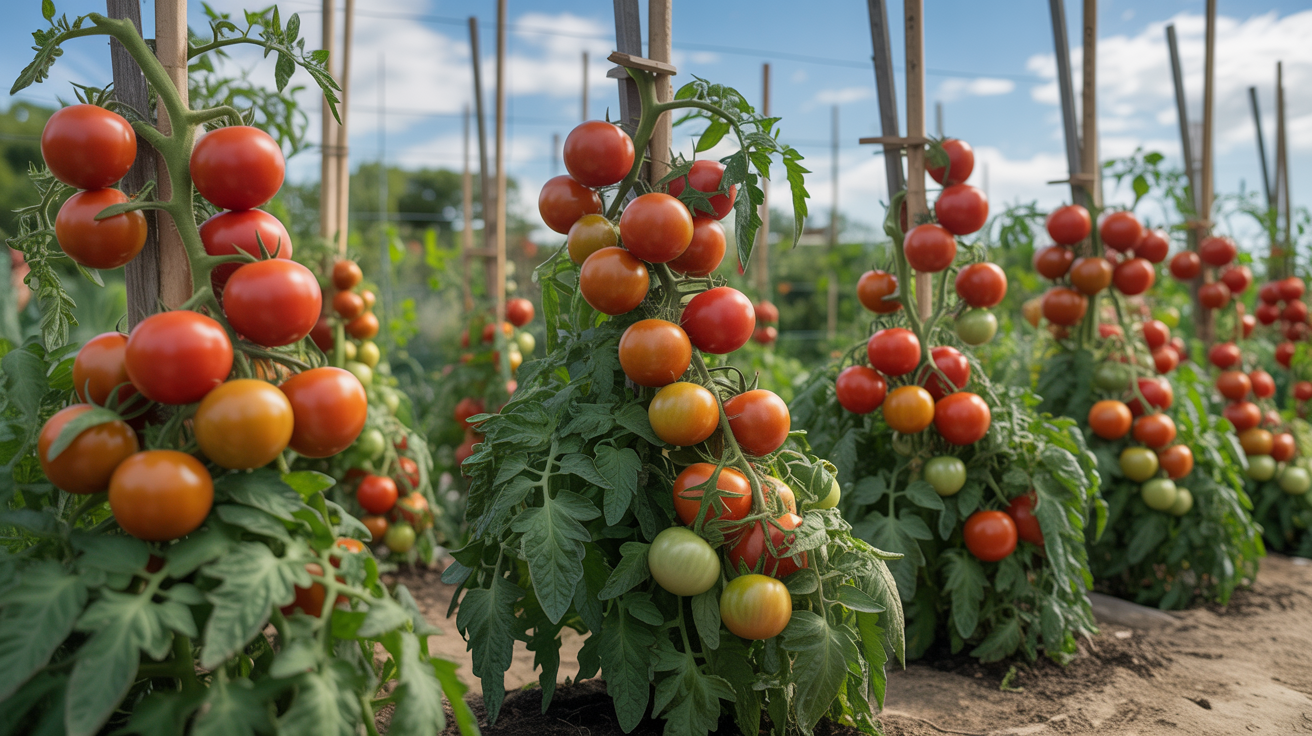
Welcome to the wonderful world of tomato cultivation! If you’re eager to grow plump, juicy tomatoes, understanding how to effectively stake your plants is essential. Staking is not just a gardening chore; it’s a crucial practice that supports your tomato plants, promoting better air circulation and preventing sprawling. In this comprehensive guide, we’ll explore the best techniques to ensure your tomato plants receive the support they need for healthy growth and bountiful yields!
Creating a thriving tomato garden requires more than just fertile soil and sunlight; staking your tomato plants is an essential practice that significantly impacts their overall health and productivity. This comprehensive guide will walk you through the best techniques for effectively supporting your tomato plants, ensuring they grow tall, healthy, and produce an abundance of delicious fruit.
The Importance of Staking Tomatoes
Why should you stake your tomato plants? The answer lies in the benefits this practice provides. Staking helps your tomato plants maintain an upright position, thereby preventing them from bending or breaking under the weight of their fruits. This not only facilitates easier care and harvesting but also enhances air circulation around the foliage, reducing the risk of diseases.
Preventing Sprawling Growth
Uncontrolled tomato plants often lead to sprawling growth, which can hinder their development. By using stakes, you encourage a more organized structure, helping your plants to grow in a neat and manageable manner. This organization ultimately maximizes each plant’s exposure to light, leading to better overall growth.
Optimal Timing for Staking
The key to successfully staking your tomato plants lies in knowing when to do it. Ideally, you should begin staking when your tomato plants reach a height of around 6 to 12 inches. This timing allows you to provide support before the plants become heavy with fruit, reducing the risk of damaging roots or stems.
Choosing the Right Stakes
When it comes to staking, selection of the appropriate materials is crucial. For most tomato plants, using stakes that are at least 4 feet high is recommended. These stakes should provide sufficient support throughout the growing season as your plants increase in height and weight.
Types of Stakes to Consider
There are various types of stakes you can use, including wooden stakes, metal stakes, and even biodegradable options. Wooden stakes are often favored for their durability, while metal stakes can provide additional strength. For those looking to implement environmentally friendly practices, biodegradable stakes are a fantastic option that also serves as a nourishment source as they decompose.
Step-by-Step Staking Process
Staking your tomato plants is a straightforward process. Begin by digging a strong stake into the ground next to your plant, aiming to bury about one-third of the stake’s length for optimal stability. After securing the stake, carefully tie the plant stem to it using soft ties or garden clips, ensuring not to damage the stem as it grows.
Maintaining Your Staked Plants
As your plants grow, it’s essential to regularly monitor their development and adjust the support accordingly. Be prepared to add additional ties or remove old ones as necessary to accommodate for growth. This attentive care will help your tomato plants remain healthy throughout the season.
Additional Resources for Tomato Gardening
For anyone looking to deepen their knowledge on growing tomatoes, there are several resources available. You can learn about best practices in our summer vegetable garden guide. Additionally, our video guide to tomato planting will provide visual instructions to help you master the art of tomato care. If you’re a beginner, check out our article on beginner-friendly vegetables to expand your garden. For those interested in planning their garden layout, our resource on square garden planning is a must.
When it comes to ensuring your tomato plants thrive, mastering the art of staking is crucial. By providing the right support, you allow your plants to grow vertically, maximizing light exposure and air circulation, which ultimately leads to healthier foliage and more abundant fruit production. To achieve this, it is important to choose the appropriate materials and methods tailored to your tomato variety and growth conditions.
Staking should typically commence when your tomato plants reach a height of around 6 to 12 inches. At this stage, the young plants are still developing, making it the perfect time to introduce support without hindering the root system. Utilizing sturdy stakes, ideally at least 4 feet tall, placed firmly in the ground next to the plant, will create a robust foundation for your tomatoes as they grow taller. Your chosen stakes should be inserted carefully to avoid root damage, focusing on stability and strength as your plants increase their weight.
As your plants grow, monitor their development closely. Regularly check for signs of additional support requirements, and remember to gently tie the stems to the stakes with soft ties to prevent any damage. This simple but effective technique encourages upright growth and helps prevent sprawling, keeping your garden organized and manageable.
In addition, maintaining proper pruning practices alongside staking can significantly enhance the overall health of your tomato plants. By pruning lower leaves and suckers, you focus the plant’s energy on fruit production, leading to higher yields. With this comprehensive approach, you’ll set the stage for a fruitful and bountiful garden, incorporating these effective strategies for maximum growth and success in growing luscious tomatoes.