Selecting the Perfect Location for Your Vegetable Garden


Embarking on the delightful journey of creating a vegetable garden brings with it the crucial decision of selecting the ideal spot. This choice hinges not merely on a whim but on a series of strategic considerations that can mean the difference between flourishing bounty and disappointing yields. Whether you’re nurturing a dream plot in your backyard or a cozy balcony setup, knowing where to position your green sanctuary is key to unlocking its verdant potential.
Finding the ideal spot for planting your vegetable garden can drastically influence your plants’ growth and yield. This guide will explore key aspects such as sunlight exposure, soil quality, and environmental factors to help you choose a spot that enhances your gardening success.
Understand the Role of Sunlight
Sunlight is crucial for growing vibrant vegetables. Most vegetables require at least six hours of direct sunlight daily. To optimize your garden’s exposure to sunlight, observe how the sun moves across your potential garden area from sunrise to sunset. An area with southern exposure typically accumulates the most hours of sunlight, especially if it’s on the south side of tall structures.
Assess the Soil Quality
Soil is the foundation of your garden. Optimal vegetable growth requires fertile, well-drained soil. Before deciding on a location, test the soil for pH and essential nutrients like nitrogen, phosphorus, and potassium. You may need to amend the soil with compost or other organic materials to enhance its quality. Avoid areas with hard, clay-heavy soil or where water pools, as these conditions can hinder root growth and promote diseases.
Consider Environmental Factors
Environmental elements like wind, slope, and proximity to trees or buildings can impact garden health. Avoid planting in areas that are excessively windy, which can stress plants and evaporate moisture quickly. If your garden is on a slope, ensure it has a gentle one, ideally facing south for maximum light exposure. Additionally, keep your garden away from tree roots and walls, which can compete for nutrients and cast shadows, respectively.
Take Into Account Water Accessibility
Regular and easy access to water is another critical factor to consider when planning your garden location. A nearby water source will make it convenient to maintain proper moisture levels. Consider installing a drip irrigation system, which conservatively uses water and ensures it reaches the roots effectively. This method also reduces the possibilities of leaf diseases and water waste. For more details on installing a drip irrigation system in your garden, visit our detailed guide.
Microclimate and Garden Microcosm
Every garden exists in a unique microclimate. For example, walls, fences, and buildings can create significantly warmer spots due to reflected heat. Experimenting with different plant varieties can help you learn which species thrive best in your garden’s specific conditions. For insights on which plants are essential for a vibrant garden, refer to our top 10 must-have garden plants.
Future Expansion and Accessibility
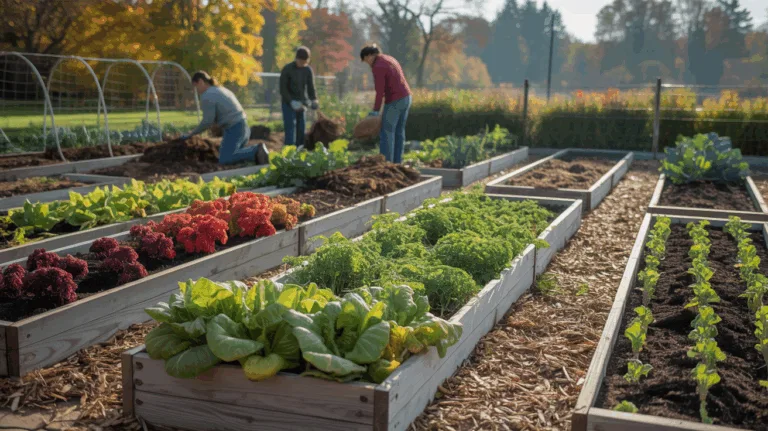
Think ahead about potential future extensions of your garden and ensure your initial placement allows for expansion. Additionally, consider the accessibility for regular maintenance tasks. Paths between your garden beds help with easy access to nurture all plantings without compacting the soil.
Professional Insight and Experience
Gather as much information as possible from local gardeners and horticultural experts. Sharing experiences can lead to discovering specific tips suitable for local conditions that you might not find in general guides. You can gain inspiration for effective garden layouts and designs by joining our tour through the White House’s autumn garden, detailed at this link.
In conclusion, selecting the perfect location for your vegetable garden involves careful consideration of sun exposure, soil quality, environmental influences, water accessibility, and planning for future needs. Armed with the right information and proper planning, you can establish a thriving vegetable garden tailored to your specific conditions and needs.
Selecting the Perfect Spot for Your Vegetable Garden
Choosing the ideal location for your vegetable garden is akin to setting the stage for a grand performance where sunlight, soil, and wind play pivotal roles. Consideration of these elements ensures that your vegetable plot not only survives but thrives. The quest begins with recognizing the paramount importance of sunlight. Ensuring your garden gets at least six hours of direct sunlight a day is essential, though eight to ten hours are optimal for a prospering harvest.
Location plays a critical role, too. Ideal spots are usually away from low-lying areas where water stagnates. Instead, a level ground or a gentle slope on the south side ensures adequate water drainage and sunlight exposure. Adjacency to a water source also simplifies the irrigation process. Metering soil quality is equally crucial. Fertile, well-draining soil rich in organic matter lays the groundwork for robust plant growth. Taking the time to enrich and prepare the soil can significantly uplift your garden’s productivity.
Lastly, consider the microclimate of your chosen location. Certain areas within the same garden may offer different growing conditions due to variations in wind exposure, humidity, and partial shading. Observing these micro-variations can guide you in placing specific crops that prefer certain conditions over others. Thus, the art of selecting the perfect garden spot is a delicate balance of science, observation, and a bit of gardening intuition. By respecting these natural elements and harnessing them in your garden plan, you set the stage for a lush, fruitful vegetable garden. It’s not just about growing vegetables; it’s about cultivating a thriving ecosystem that supports healthy growth and sustains your gardening passion.