Essential Tips for Properly Watering Your Vegetable Garden


Welcome to a lush, verdant world where your vegetable garden can thrive under the right care. Water management is a vital skill that requires understanding both the unique needs of your plants and the environment in which they grow. Unlock the secrets of optimal hydration with these essential tips, ensuring that your garden flourishes with health and vigor, irrespective of the climate challenges.
Maintaining a lush and productive vegetable garden involves more than just sowing seeds and weeding. Proper watering practices are essential to ensure your vegetables thrive. The art of watering goes beyond simply splashing water on your plants; it involves understanding when, how, and how much to water. In this article, we’ll explore several critical tips and techniques that could transform your gardening approach, saving you time while maximizing plant health and yield.
Prioritize Deep Watering Techniques
Shallow watering often fails to reach the deeper roots of plants, which are essential for their growth and stability. Instead, focus on deep watering that encourages the roots to grow downwards, enhancing their access to nutrients and moisture. A good rule of thumb is to ensure the water penetrates at least 6-8 inches below the surface. Techniques such as using a soil probe can help you determine how deep the water has traveled. For more depth-oriented watering advice, you might find detailed guidance on setting up a drip irrigation system quite enlightening.
Choose the Right Time to Water
Watering at the correct time of day is crucial in minimizing evaporation and ensuring that the water serves its purpose effectively. Ideally, watering should be done early in the morning or later in the evening when temperatures are cooler. This practice prevents water from evaporating quickly and helps protect plants from the midday heat. The early warmth of the vegetable garden can drastically influence how you should approach watering during different times of the year.
Mulching: Your Garden’s Best Friend
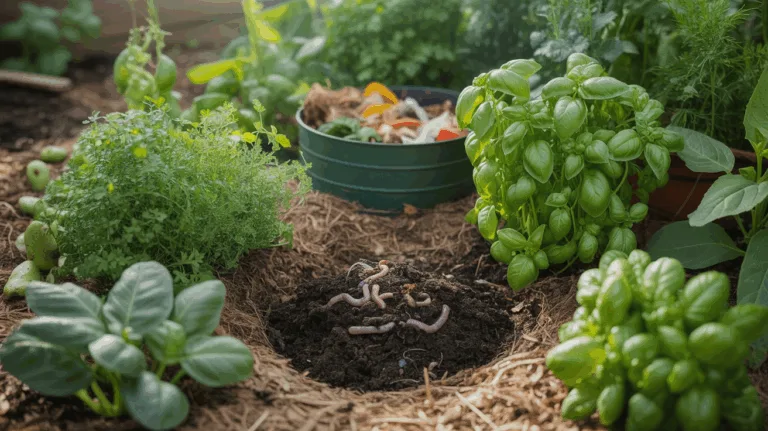
Applying a layer of mulch around your plants not only discourages weeds but also helps retain soil moisture. Organic mulches like straw or shredded leaves add nutrients back into the soil as they decompose. By maintaining a moist and cool root environment, mulching effectively reduces the frequency of watering and shields your plants from extreme temperatures.
Understanding Your Soil Type
Soil type significantly affects water retention and drainage. Sandy soils drain quickly and require more frequent watering, while clay soils hold water longer and may need less frequent watering. Adjusting your watering strategy based on your soil type can prevent water wastage and promote healthier plant growth. Integrating organic matter can improve soil structure and water retention capabilities.
Monitor and Adjust According to Weather
Keep an eye on local weather forecasts to anticipate rain or heat waves, adjusting your watering schedule accordingly. This proactive step can save you water and prevent over-watering or dehydration of your plants. Implementing a rain gauge in your garden can be an effective way to measure the exact amount of rainfall received, allowing for more accurate adjustments.
Reviving Your Garden After a Break
If your garden has been left unattended for a while, perhaps due to a short vacation, it might need more attention to return to its former glory. Learn about reviving the vegetable garden after a short vacation for tips on reintroducing water and nutrients effectively without shocking your plants.
Opt for Sustainable Watering Practices
Collecting rainwater and setting up a greywater system are sustainable practices that reduce dependency on municipal water systems and can be particularly beneficial during droughts. Additionally, such systems are a great way to align your gardening practices with environmentally friendly principles.
Properly watering your vegetable garden can be a rewarding activity that bolsters your garden’s productivity and enhances its beauty. Every drop of water can be a step towards a more thriving garden if used wisely.
Optimizing Your Garden’s Hydration: Conclusive Insights
Implementing a strategic watering regimen is crucial for culminating a lush and productive vegetable garden. The significance of understanding when, how, and how much to water cannot be overstressed. Correct hydration practices prevent wastage and ensure your plants get the vital moisture they need to thrive. Here, we encapsulate the essence of efficiently managing your garden’s moisture levels.
Foremost, focusing on early morning or late evening watering can significantly reduce water loss due to evaporation. This practice allows the water to seep deeply into the soil, reaching the roots where it’s most needed. Moreover, during these cooler parts of the day, the soothing effect of water helps plants cope better with the heat of the sunlight. Thus, optimizing your watering schedule according to the time of day is not just beneficial; it’s essential.
Moving beyond schedules, the technique of watering must also be mastered. Opt for drip irrigation or soaker hoses to target the plant’s base directly. This method mitigates foliage diseases and focuses the resource exactly where it’s critical. Diverse vegetable types and growth stages might demand specific watering strategies which should be judiciously adhered to, enhancing both growth and yield.
In conclusion, effective garden watering transcends merely keeping the soil moist; it involves nurturing a deeper connection with your garden. Understanding your soil type, weather patterns, and plant needs forms the crux of watering wisdom. The adoption of these savvy, precise techniques not only conserves water—a precious global resource—but also invigorates your garden, making it a veritable cornucopia of health and vitality.