Natural Ways to Enrich Your Garden Soil

Transforming your garden into a lush paradise begins with the very foundation it stands on: the soil. There are numerous natural ways to enrich your garden soil, paving the way for vibrant plant growth and bountiful harvests. From embracing the power of composting to strategically interplanting nutrient-rich crops, each method enhances soil fertility while celebrating the beauty of nature. Let’s delve into the remarkable techniques that not only nourish the earth but also promote a thriving ecosystem in your garden!
Creating a thriving garden begins with understanding the importance of soil health. Enriching your garden soil naturally not only promotes plant growth but also enhances biodiversity and sustainability in your garden. Many natural methods exist to elevate soil quality without resorting to chemicals. Let’s delve into these effective, environmentally friendly techniques to rejuvenate your garden soil!
Interplanting Aromatic Herbs
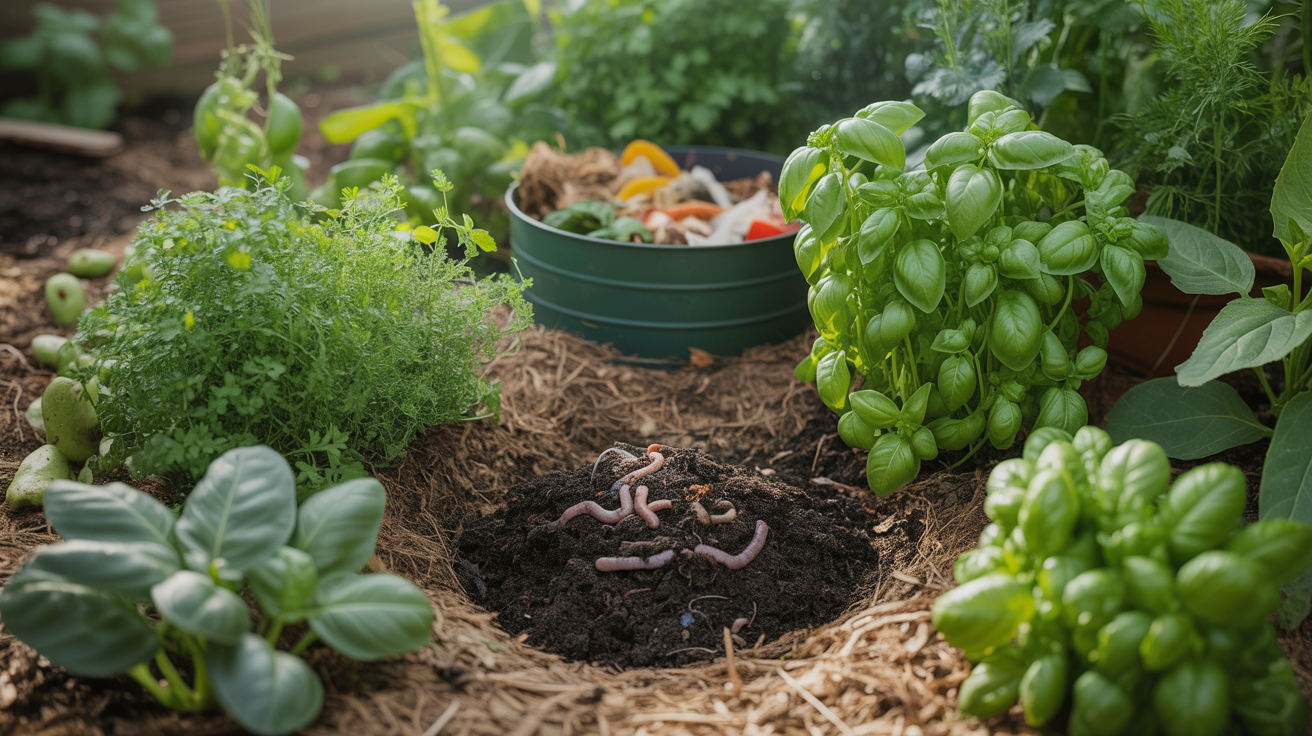
One creative approach to enrich your garden soil is through interplanting aromatic herbs such as basil and cilantro. These herbs don’t just add beauty and flavor to your culinary creations, but their scents can also confuse and repel pest insects, reducing the need for chemical interventions. Furthermore, by planting herbs among your vegetables, you improve the overall health and biodiversity of your garden.
Practicing Vermicomposting
Vermicomposting is like liquid gold for your soil! This method involves using worms to break down organic matter, resulting in nutrient-rich compost. Just a layer of vermicompost can considerably boost soil health, promoting the growth of beneficial microorganisms that enhance soil fertility and structure. By recycling kitchen scraps through vermicomposting, you can create a natural amendment for your garden.
Composting Leaves
Another natural way to enrich your soil is by composting leaves. Collect fallen leaves in the autumn and let them decompose naturally. This natural process produces rich organic matter that can be mixed into your garden soil. Not only does this provide nutrients, but it also aids in moisture retention, preventing the soil from becoming dry and compacted.
Covering the Soil
Keeping soil covered is crucial for improving soil health. Bare soil is prone to erosion from wind and rain, which can degrade its quality over time. To combat this, plant cover crops or use mulch to protect and enrich the soil. For instance, straw or grass clippings can serve as excellent mulch to help retain moisture and suppress weeds.
Introducing Nitrogen-Fixing Plants
Consider growing nitrogen-fixing plants like beans in your garden. These legumes naturally enhance the nitrogen content in the soil, improving its fertility. This process encourages beneficial soil microbes and increases organic matter, leading to a richer soil environment. By including varieties such as pole or bush beans, you can enjoy a bountiful harvest while enhancing your garden soil.
Organic Amendments
Prioritize adding organic soil amendments to your garden. Ingredients such as manure, bone meal, and blood meal provide essential nutrients like nitrogen, phosphorus, and potassium, vital for vigorous plant growth. Manure not only boosts plant growth but also improves soil structure, fostering a thriving ecosystem in your garden.
Utilizing Leftover Kitchen Scraps
Maximize your composting efforts by incorporating leftover kitchen scraps into your garden soil. Items like eggshells, fruit peels, and vegetable trimmings decompose and enrich the soil with vital nutrients. You can either add them to your compost pile or dig them into planting holes during the season to give your plants a nutrient boost.
Engaging with Soil Testing
Before enhancing your garden soil, consider implementing a soil test kit to analyze its current nutrient content and pH level. Understanding your soil’s needs enables you to tailor your enriching strategies effectively. A comprehensive soil analysis will inform you about essential nutrients that might be lacking, allowing you to boost soil health precisely.
Creating a Sustainable Mulching Strategy
Mulching is a timeless technique to maintain garden soil health. By applying organic mulches like grass clippings or shredded bark, you can suppress weeds and reduce soil evaporation. This not only keeps the soil moist but also gradually decomposes, adding organic material to enrich your garden soil. Explore more about the best mulching strategies for your vegetable garden here.
Using Comfrey for Soil Enrichment
Consider incorporating comfrey into your garden planning. This versatile plant has deep roots that can draw nutrients from the soil, making them accessible to other plants when they decompose. Comfrey leaves can be used in compost or as a green manure to enrich your garden soil naturally. Discover its endless uses here.
Winter Preparations for Soil Health
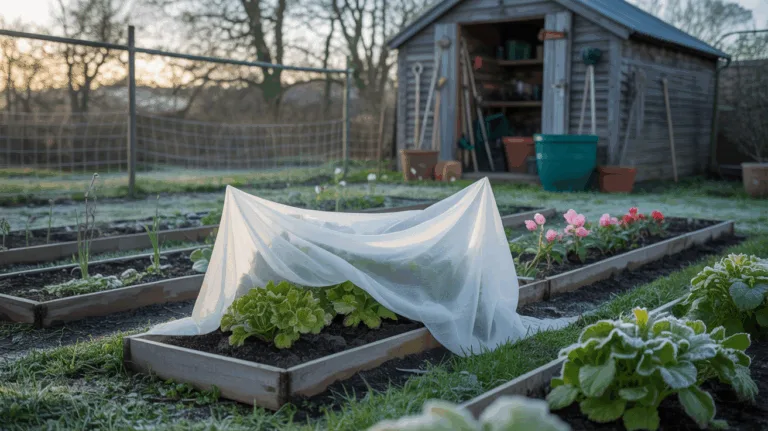
It’s important not to neglect your garden during the winter months. Implementing practices such as winter mulching can protect and nourish your soil. Mulching during the winter assists in retaining moisture and regulating soil temperature, ensuring that your soil remains healthy and ready for planting in spring. If you’re wondering about mulching during the fall, check out this insightful guide here.
By adopting these natural methods, you can not only enrich your garden soil but also create a healthier ecosystem that contributes to sustainability and biodiversity. Take these tips into account and watch your garden thrive! Explore further on restoring your vegetable garden after a break here, and revolutionize your gardening experience!
Creating a flourishing garden starts from the ground up, and when it comes to enriching your garden soil, staying true to natural practices can yield the most rewarding results. One of the key methods is through interplanting. By incorporating aromatic herbs such as basil or cilantro, you not only add flavor to your kitchen but also confuse and repel pesky insects. This natural defense can lead to healthier plants and a more vibrant garden ecosystem.
Another method worth considering is vermicomposting. Utilizing worms to break down organic materials creates nutrient-rich vermicompost that can dramatically enhance soil health. Just a thin layer scattered across the top can introduce beneficial microorganisms that will work tirelessly to support your plants’ growth.
Don’t overlook the power of composting leaves and other kitchen scraps. This natural process enriches the soil while also minimizing waste. Simply adding organic matter, like manure or bone meal, can drastically improve soil fertility, as these materials replenish essential nutrients needed for vigorous plant growth.
It’s also vital to keep your soil covered. Leaving soil bare can lead to erosion and degradation, thereby counteracting any hard work put into nourishing it. Instead, utilize cover crops or mulch to maintain moisture and enhance soil structure. This practice not only protects your soil but also ensures a thriving habitat for earthworms and other beneficial organisms.
Above all, remember that enriching your soil is an ongoing journey. Incorporate natural methods regularly and be patient. Your diligent efforts will lead to a bountiful and beautiful garden that you can take pride in!