Euphorbias: A Comprehensive Guide to Planting, Cultivation, and Care Tips

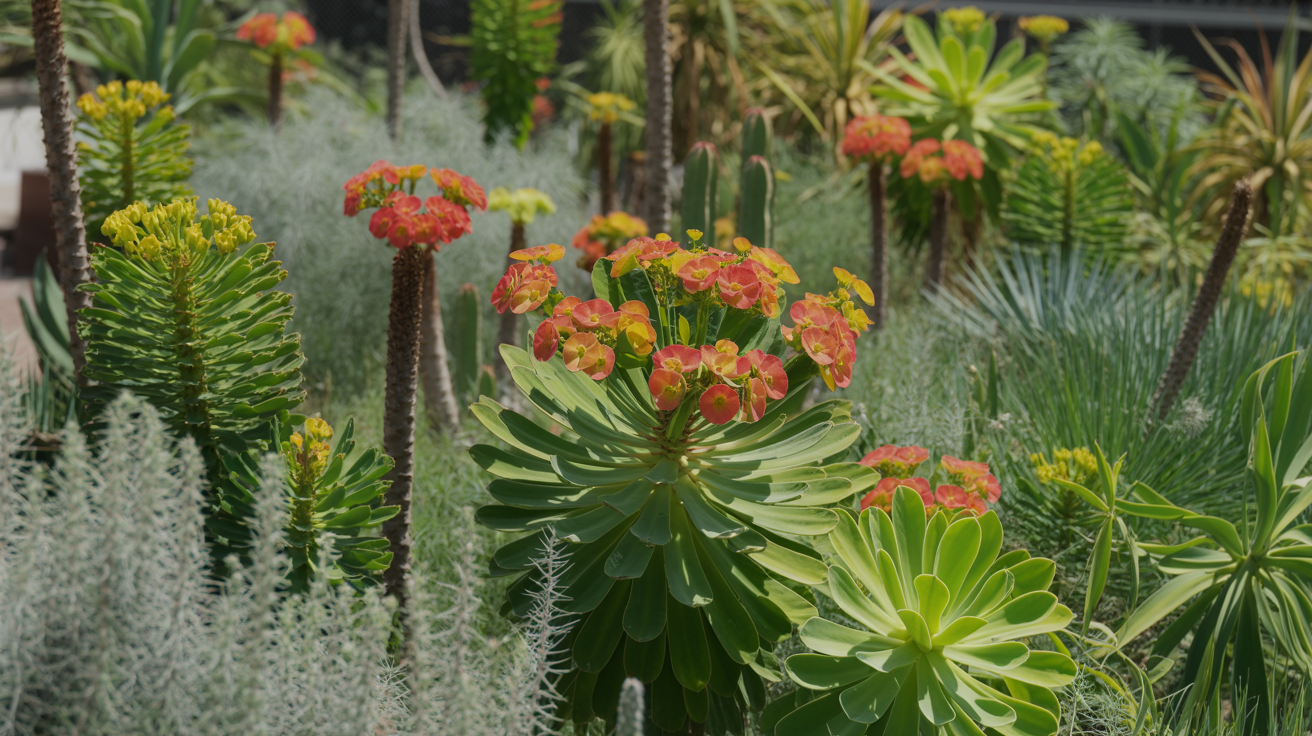
If you’re searching for resilient and visually stunning plants to elevate your garden, Euphorbias may be the perfect choice! With over 2,000 species featuring a variety of shapes, sizes, and colors, these remarkable plants bring a unique flair to any outdoor space. Whether you’re drawn to the vibrant blooms of Euphorbia Milii or the intriguing forms of succulent varieties like Euphorbia tirucalli, you’ll find that they are not only beautiful but also drought-tolerant and low-maintenance. Dive into this comprehensive guide to discover essential tips for planting, cultivation, and care that will help your Euphorbias thrive and bloom!
Euphorbias are a fascinating and diverse group of plants, perfect for both novice and seasoned gardeners alike. With over 2,000 species, ranging from striking succulents to vibrant flowering varieties, they offer unique aesthetics that can elevate any garden space. This guide will explore essential tips for planting, cultivating, and caring for euphorbias, ensuring these resilient plants thrive in your outdoor or indoor environment.
Understanding Euphorbias
The Euphorbia genus is vast and varied, encompassing an incredible range of species that can cater to diverse gardening needs. From the visually stunning Euphorbia milii to the majestic Euphorbia tirucalli, commonly known as the Pencil Cactus, this loveable family of plants is notorious for its hardiness and adaptability. Most euphorbia species exhibit drought resistance, making them suitable for a variety of climates and soil types.
Planting Euphorbias
To successfully plant euphorbias, begin by selecting a location that receives full sun. Euphorbias thrive in well-drained conditions, so it’s essential to amend heavy soils with organic materials or plant them in raised beds. Before planting, consider using a sturdy stake and soft ties to support newly planted euphorbias, helping to prevent damage during early growth.
Propagation Techniques
One of the most effective ways to expand your euphorbia collection is through propagation. A popular method is taking stem cuttings; just ensure to let the cut end dry for a few days, allowing a callus to form, which reduces the risk of rotting once planted. This simple step sets the stage for a successful rooting process.
Cultivating Euphorbias
Cultivating euphorbias involves maintaining optimal conditions for growth. While these plants are generally low-maintenance, they still have essential care requirements to keep them healthy. Watering is crucial, yet euphorbias prefer a less frequent approach. Water them sparingly, allowing soil to fully dry out between watering sessions. This strategy promotes root development and drought tolerance.
Light and Soil Requirements
Ensure euphorbias receive adequate light, as they thrive in full sun conditions. They tend to perform best in well-drained soil, enriched with organic matter. Consider adding sand or perlite to enhance drainage if your soil conditions are heavy or clay-like.
Caring for Euphorbias
Caring for your euphorbias is essential for their continued growth and vibrancy. Here are some important tips:
- Fertilization: During the growing season, feed euphorbias with a balanced, low-nitrogen fertilizer to encourage healthy growth.
- Pruning: Prune euphorbias to promote bushier growth and remove any dead or damaged stems to ensure the plant remains healthy.
- Pest Management: While euphorbias are generally resilient, keep an eye out for common pests. Implement natural control methods to keep issues at bay without harming the plants.
Ecological Importance
Euphorbias also play a vital role in their ecosystems. As native plants, they provide habitat and food sources for various wildlife. By incorporating euphorbias into your gardens, you’re not only beautifying your space but also supporting biodiversity in your area.
In summary, whether you’re a beginner or a seasoned gardener, euphorbias offer an exciting opportunity to explore a diverse range of plant species. Their unique aesthetics, adaptability, and ecological benefits make them a must-have in any garden setting. For more gardening tips, including effective strategies to deter garden pests, visit this link.
When it comes to cultivating a thriving garden, Euphorbias stand out as a versatile and resilient choice. With over 2,000 unique species, these plants range from striking succulents to flowering varieties, making them suitable for diverse gardening styles. The appeal of euphorbias lies in their ability to adapt to various conditions, thriving in well-drained soil and capable of enduring periods of drought, which makes them a sustainable choice for any garden.
For those new to gardening, understanding the key aspects of planting and caring for euphorbias is essential. Begin by selecting a spot with ample full sun, as these plants flourish in bright light. It’s also crucial to ensure the soil drains effectively to avoid root rot. When planting, consider using sturdy stakes with soft ties to support young plants while they establish, preventing any undue stress on their stems.
Once your euphorbias are settled, regular care will keep them vibrant. Although these succulents are largely low-maintenance, providing occasional water during prolonged dry spells is beneficial. One effective tip for propagation involves allowing cuttings to dry for a few days before replanting; this ensures that the plants form a protective callus and reduces the risk of rotting.
In summary, whether you’re drawn to their aesthetic appeal, ecological benefits, or ease of care, euphorbias are a smart addition to any garden space. With proper attention and understanding, you’ll find that these resilient plants can enhance the beauty of your outdoor sanctum while requiring minimal effort to maintain.