
Gardening Supplies You Must Dispose of Before Winter Sets In
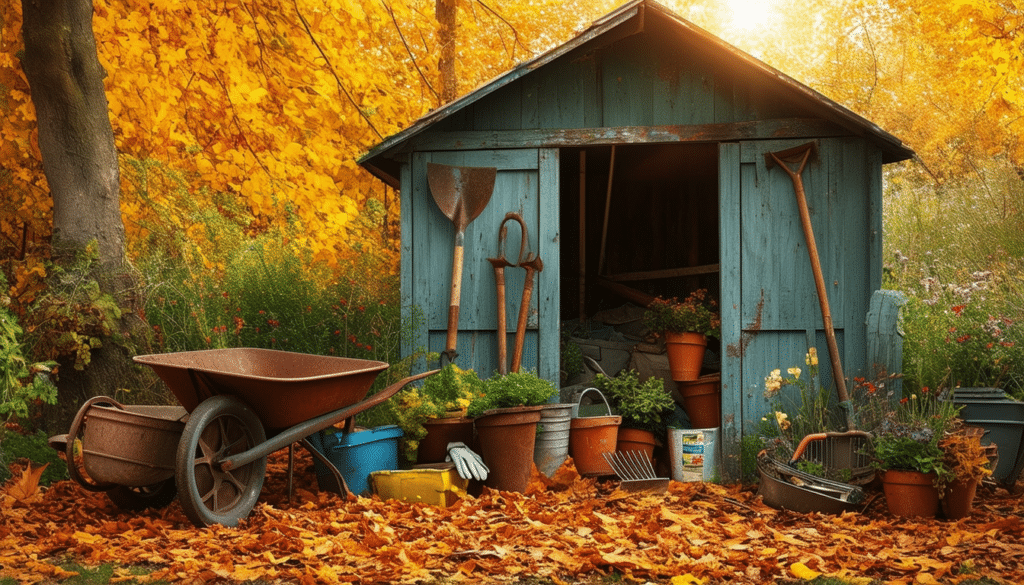
As the vibrant blooms of summer fade and whispers of winter begin to dance in the air, it’s the perfect moment for all garden enthusiasts to step back and refresh their green sanctuaries. The chaos of a bustling growing season often leaves behind a trail of forgotten and disheveled gardening supplies in our sheds and garages. Before facing the chill, seize this opportunity to clear out expired products, unused tools, and other unnecessary items, creating a clean slate for your garden dreams to blossom next spring. By taking stock now, you’ll be ready to dive straight back into a revitalized gardening paradise when nature awakens once more.
As winter approaches, gardeners everywhere are given the unique opportunity to declutter their sheds and make room for the essentials they’ll need come spring. By clearing out unused, broken, and expired gardening supplies, you’ll set yourself up for a fresh and organized start once the growing season returns. This article will illuminate the specific items you should remove from your gardening space before the chill of winter takes hold, from expired products to broken tools. Get ready to embrace a tidier, more efficient garden come springtime!
Expired Products
In the world of gardening, time doesn’t spare herbicides, fertilizers, and pesticides. Without clear expiration dates, it becomes easy for these old companions to linger longer than they should. Most herbicides and pesticides should be used within two to three years, while fertilizers hold strong much longer when stored properly. Yet, lawn fertilizers with weed killers have a shorter life span of one to two years. Check packaging diligently for expiration dates and toss out anything past its prime. And don’t forget to safely dispose of old solvents, cleaners, and even those cans of dried-out paint you’ve been saving. It’s safer to recycle organic fertilizers by composting but ensure synthetics make it to hazardous waste collections.
Old Soil
Though it once nourished your plants, old soil and potting mixes might not hold the magic they once did. Bagged potting mix and compost last about one to two years, yet their nutrient enchantment starts to wane over time. If pests or diseases have visited your old soils, it’s wise to move on. Fear not! These aging supplies can find new life in your compost pile or garden beds or even fill divots in your lawn. Breathe new energy into your garden by renewing the soil you use.
Old Seeds
Seeds hold the promise of new life, yet even they can lose their vigor. Many seeds remain viable for one to two years, but variations occur, like onion seeds that spoil after just one year and tomato seeds that persevere for up to five years. Check your seed collection for expiration dates and bid farewell to any expired, wet, or moldy seeds. If your heart hesitates to part with old seeds, consider sowing them in bulk to boost germination odds. Collecting fresh seeds sets the stage for vibrant spring plantings.
Broken Tools
Gardening endeavors often leave us with a collection of broken tools, from chipped clay pots to holey gloves. These items crowd our spaces with the promise of mending, yet they seldom see new use. Instead of letting broken treasures linger, transform them into garden art or fairy garden decorations. If crafting isn’t your forte, it might be time to graciously part ways and create space for functional tools.
Empty Pots and Seedling Trays
Every gardener knows the rapid multiplication of empty pots and seedling trays. While useful for spring seed starting, they quickly amass and steal precious space. Consider donating excess pots to friends or local garden centers that accept returns. Share the joy of gardening by giving away extras, and you’ll find your storage areas pleasingly spacious.
Unused Equipment
Gardeners often find themselves with duplicate tools that promise convenience but instead conceal valuable shelf space. Free up your shed by weeding out duplicates, allowing you to cherish and utilize your favorite tools even more. The gift of donation can spread gardening joy while decluttering your space – a win-win scenario for your gardening sanctum!
Dirt and Debris
As you begin your grand shed-clearing quest, a lingering layer of dirt and debris will certainly catch your eye. Sweep away spilled soil and scattered leaves, making way for renewed clarity. Larger bits find solace as trash, while biodegradable trinkets can enhance your compost. An organized, pristine workspace eagerly awaits, ready to house the essentials you’ll embrace for a fresh start next season.
Don’t forget to store batteries for power tools indoors to protect them from the harsh winter cold that wears them down faster. Preserve their vitality, and they’ll be ready when you need them.
Here’s wishing you a clutter-free garden space that ignites your passion for planting and cultivating in the coming seasons!
Wrapping Up Your Gardening Endeavors Before Winter
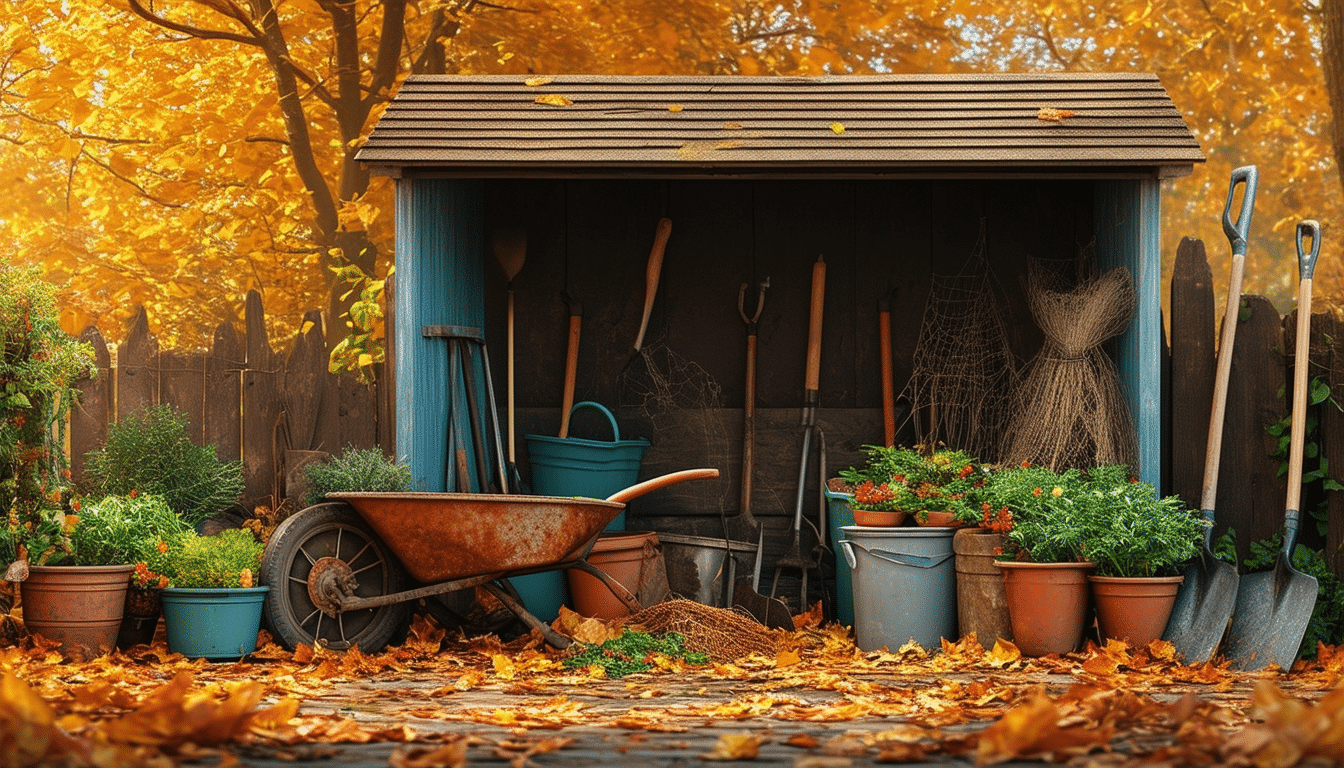
As the chilling kiss of winter approaches, it’s time for gardeners to bid farewell to the remnants of their bustling growing season. Ensuring a serene winter hibernation for your garden begins with a thorough assessment and disposal of unnecessary items cluttering your shed. Eliminating these items not only declutters your space but paves the way for a rejuvenated start once spring blossoms tempt our shovels and gloves out from hibernation.
Begin by saying goodbye to expired products—those fertilizers, herbicides, and pesticides that no longer serve their purpose. With no defined expiration dates, many of these products are often forgotten. Ensuring they are disposed of properly protects both your future plants and the environment.
The same philosophy applies to old soil. Over time, potting mixes and compost lose their nutrient potency. While they might not be harmful, their capability to nurture your plants is diminished. Recycle these by incorporating them into your garden beds or compost piles.
For seed lovers, it’s crucial to part ways with old seeds which no longer promise fresh blooms or bountiful harvests. Due to varied expiration rates, always check for spoilage signs. Meanwhile, broken tools like chipped pots and snapped shovels, which may have accumulated with the hope of someday repairing them, often simply demand a creative repurpose or a decisive farewell.
Additionally, unused equipment and empty pots mark the end of a gardening journey. Whether it’s those three identical rakes or a stack of seedling trays, redistributing these can aid fellow gardeners, unburden your storage, and enhance your readiness for upcoming garden projects.
As you sweep away the dirt and debris, and bring your power tool batteries to safety from the extreme winter chill, remember that every task undertaken now gifts you a cleaner, more organized gardening realm come spring. So be diligent, be bold, and let your gardening treasures find their place once more.